Investments in sustainability: the example of a modern factory in Ialoveni
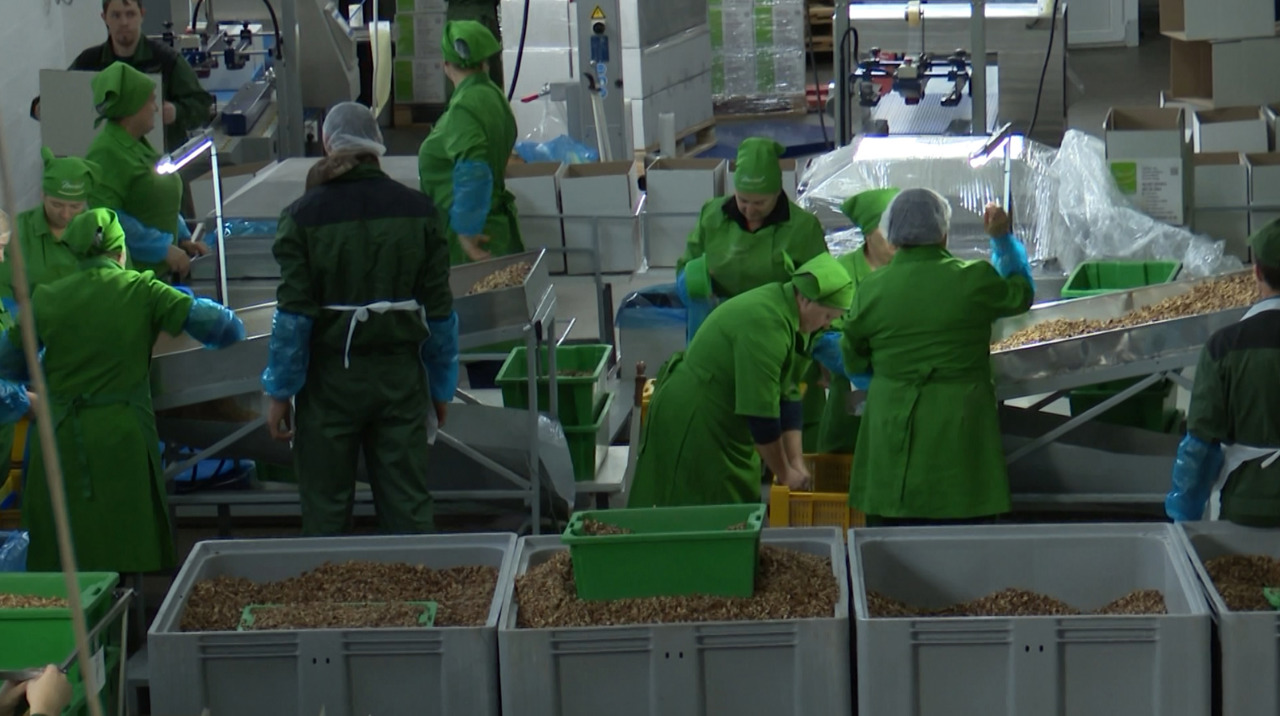
An increasing number of factories in the Republic of Moldova are opting to invest in the modernization of their technological processes and sustainable solutions. From raw material processing to energy consumption management and wastewater handling, these enterprises are optimizing their operations to minimize their environmental impact.
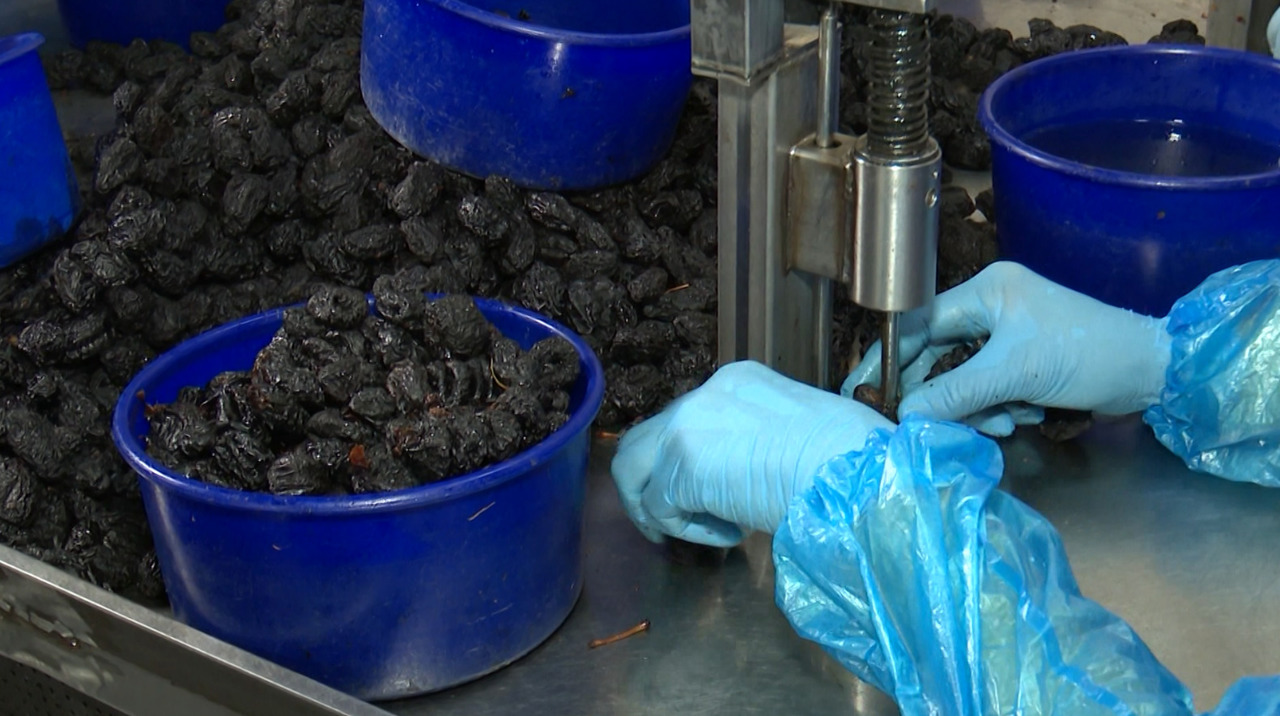
In the village of Nimoreni, in the Ialoveni district, a modern factory processes and dehydrates nuts and fruits. These delicacies are sold in demanding foreign markets, including the European Union, the United States, the United Kingdom, and Japan.
“There are several processes involved, starting with drying and dehydrating the fruits, selecting them, and then blanching. For instance, when it comes to plums, we also remove the pits. For nuts, we dry them if they have high moisture content, after which we sort them into different categories,” says Carmina Vicol, the general director of the company.
Quality and sustainability are the guiding principles for economic agents aiming to remain competitive. The management of the Nimoreni factory has invested in a water purification system, stating that the effort was challenging but essential to minimize environmental impact.
“There used to be a lake for accumulating wastewater here, which was evacuated with special machines. A significant amount of work was done to cover this lake, evacuate the water, lay the foundation, and install the tanks and equipment brought from Germany. This equipment allows us to treat the water to a quality suitable for discharge into the environment,” mentions Iulian Filip, the company's operational director.
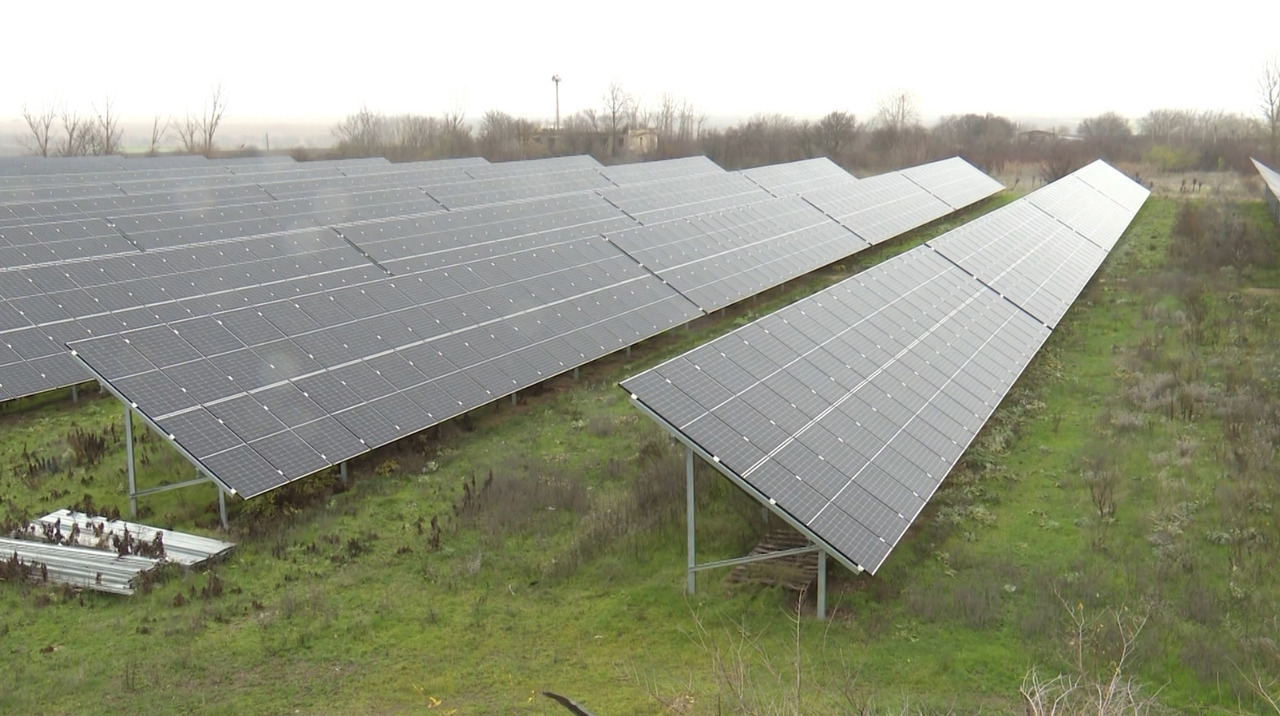
Additionally, the factory is equipped with solar panels that significantly reduce electricity costs.
“At the factory, we have installed a 200 kW photovoltaic system, which enables us to cover approximately 60 percent of the company’s annual energy consumption,” says Iulian Filip.
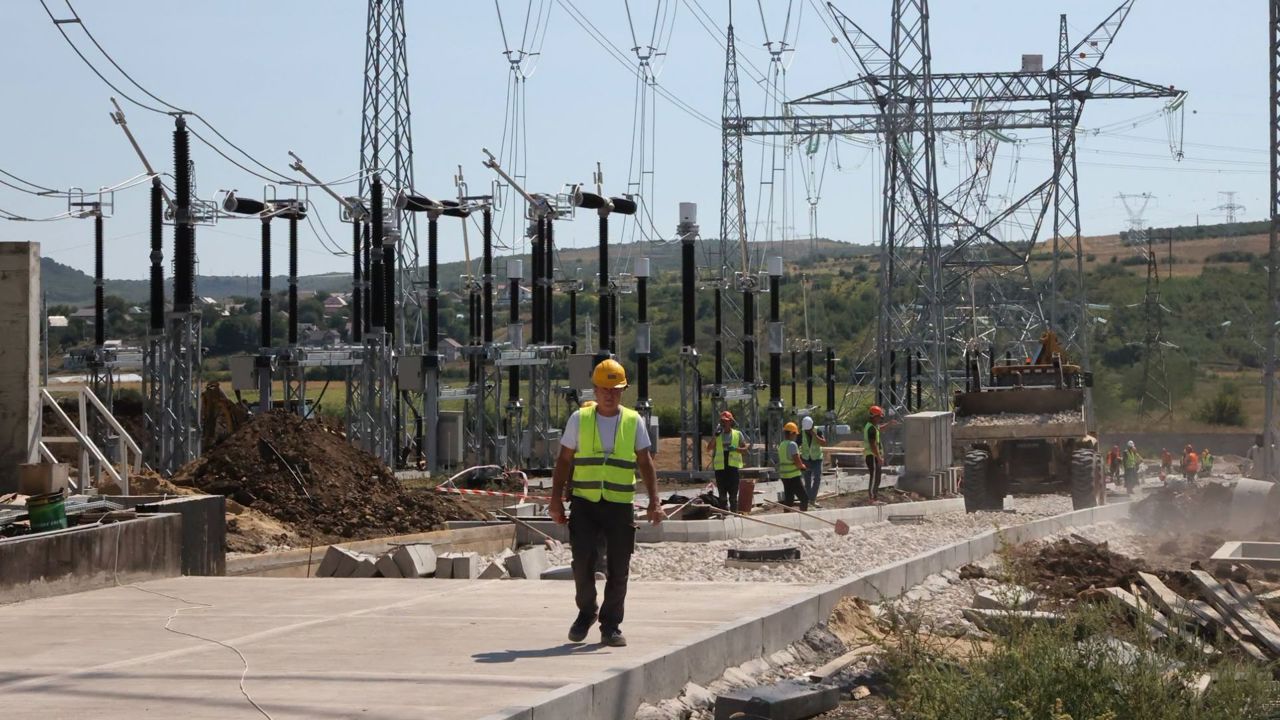
The Republic of Moldova aims to achieve a 27% share of renewable energy in total final energy consumption by 2030. In 2024, the share of renewable energy in electricity consumption was 16.7%, and the authorities estimate that this will increase to 27% by 2025.