Moldova reclaims strategic airport fuel assets from Russia’s Lukoil
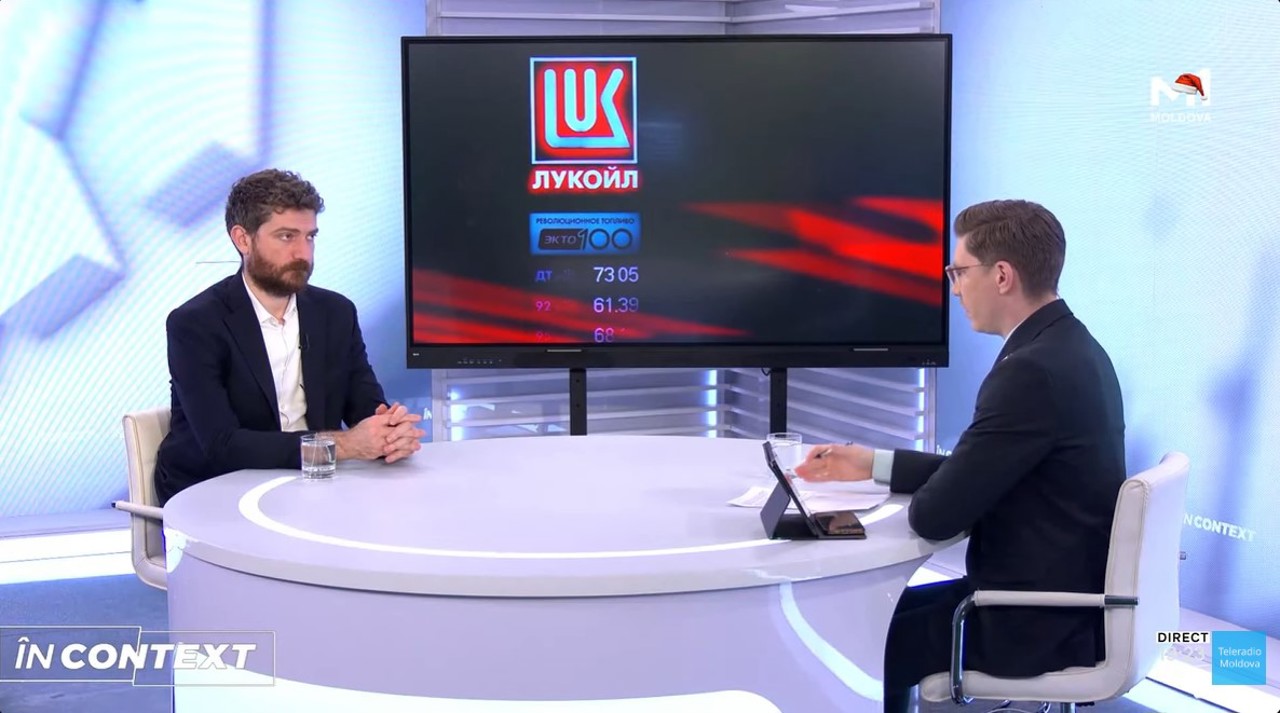
The Moldovan government’s decision to take control of fuel assets at Eugen Doga International Airport, currently held by Lukoil-Moldova, marks a pivotal move in reclaiming strategic infrastructure.
While the move strengthens national security, experts warn that a lack of legal transparency could invite retaliatory lawsuits from the Russian energy giant.
Eugen Muravschi, an analyst at the WatchDog think tank, noted during a broadcast on Moldova’s national television that while removing a Russian entity from airport management is a positive step, the legal execution must be airtight. "The success of this move depends entirely on its legal foundation," Muravschi stated. "Without a solid justification, Lukoil-Moldova will have every reason to challenge the state in court."
Legal Framework and Sanctions
The intervention is based on Moldovan laws regarding investments in sectors critical to national security, covering both energy and transport. Crucially, these laws apply retroactively and include specific clauses for entities under international sanctions.
The government’s strategy has shifted visibly. Initially, authorities pursued a commercial buyout, showing an optimistic willingness to negotiate a price. However, the deal stalled. Muravschi suggests that Moscow may have intervened to block any sale that would remove the assets from Russian influence.
A Monopoly Dismantled
The expert criticized the mid-2000s pro-Russian administration for originally handing over the infrastructure for a nominal sum. He described the operation as a monopoly where airlines had no choice but to buy from Lukoil. "It was a cash cow that returned its initial investment hundreds of times over," Muravschi added, noting that Moldova has been slow to investigate the original 2005 contract.
The state is set to take possession of the assets within 20 days. This follows a December 15 decision by the Investment Council, which found that Lukoil failed to meet mandatory investment clauses after its initial €10 million purchase in 2005.
Not a Confiscation, but a Reset
Energy Minister Dorin Junghietu clarified that the move is not a "confiscation" but a "legal reset" to the pre-privatization status. While the state will own the tanks and equipment, the actual fueling operations will be opened to multiple companies to foster competition.
In Moldova, Lukoil-Moldova remains a dominant force, controlling 20% of the retail gas station market and nearly half of all diesel imports. At the airport, the company previously held a 100% monopoly on kerosene supply. Lukoil-Moldova retains the right to appeal the decision in court.
Translation by Iurie Tataru