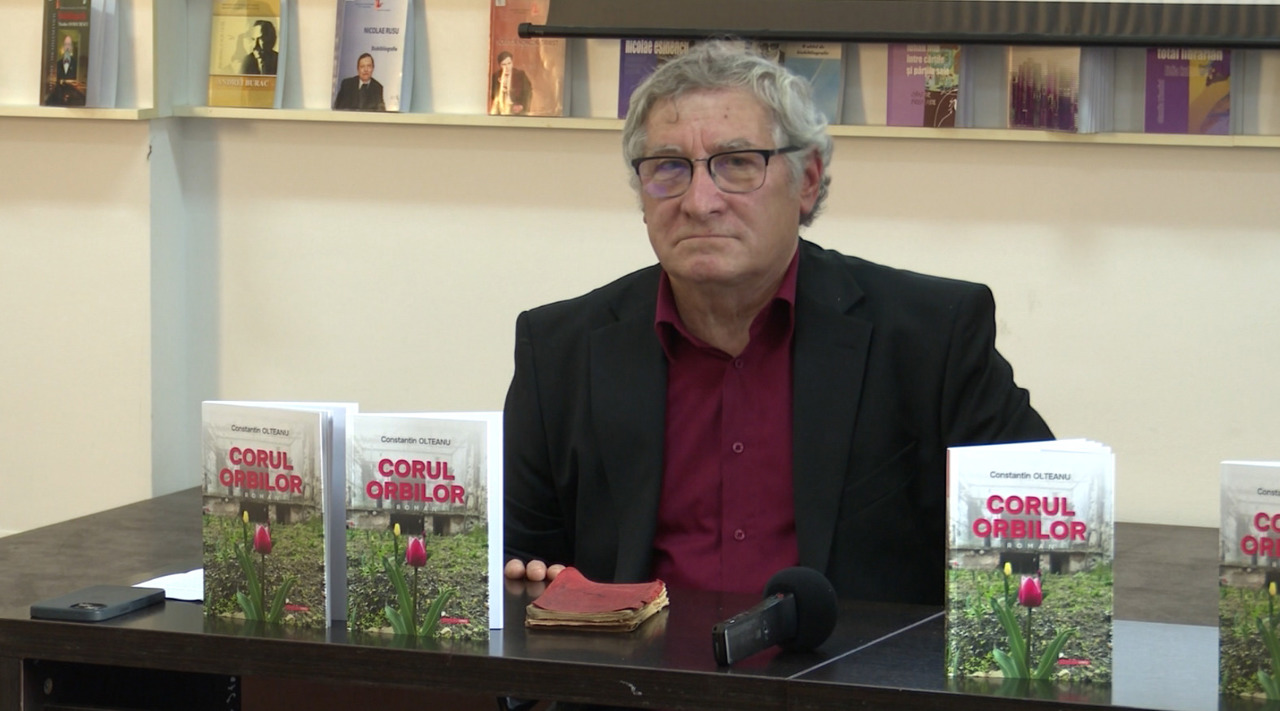
Constantin Olteanu launches new novel inspired by 1940s diary
Constantin Olteanu, a distinguished figure in Moldovan journalism, has long been a pillar of the nation’s most influential publications, including Tinerimea Moldovei, Literatura și Arta, and Basarabia.
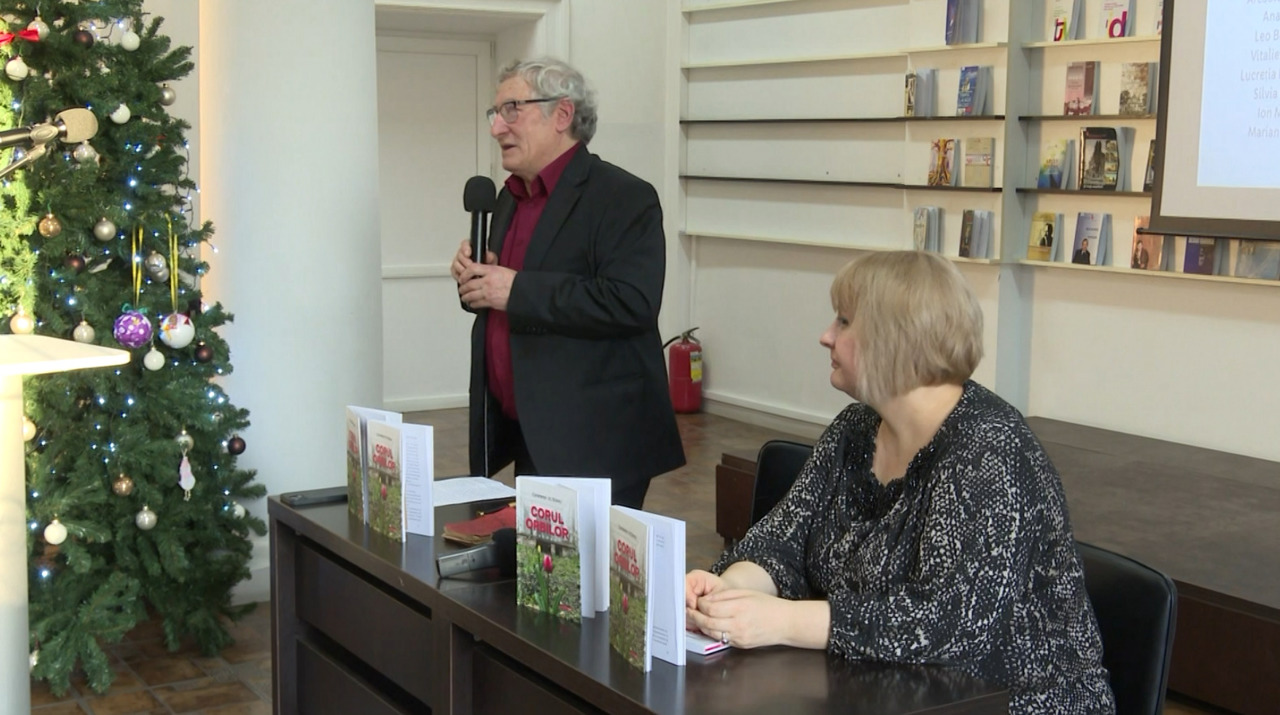
Currently serving as the editor-in-chief of Săptămâna, Olteanu continues to bridge the gap between daily reportage and evocative literature.
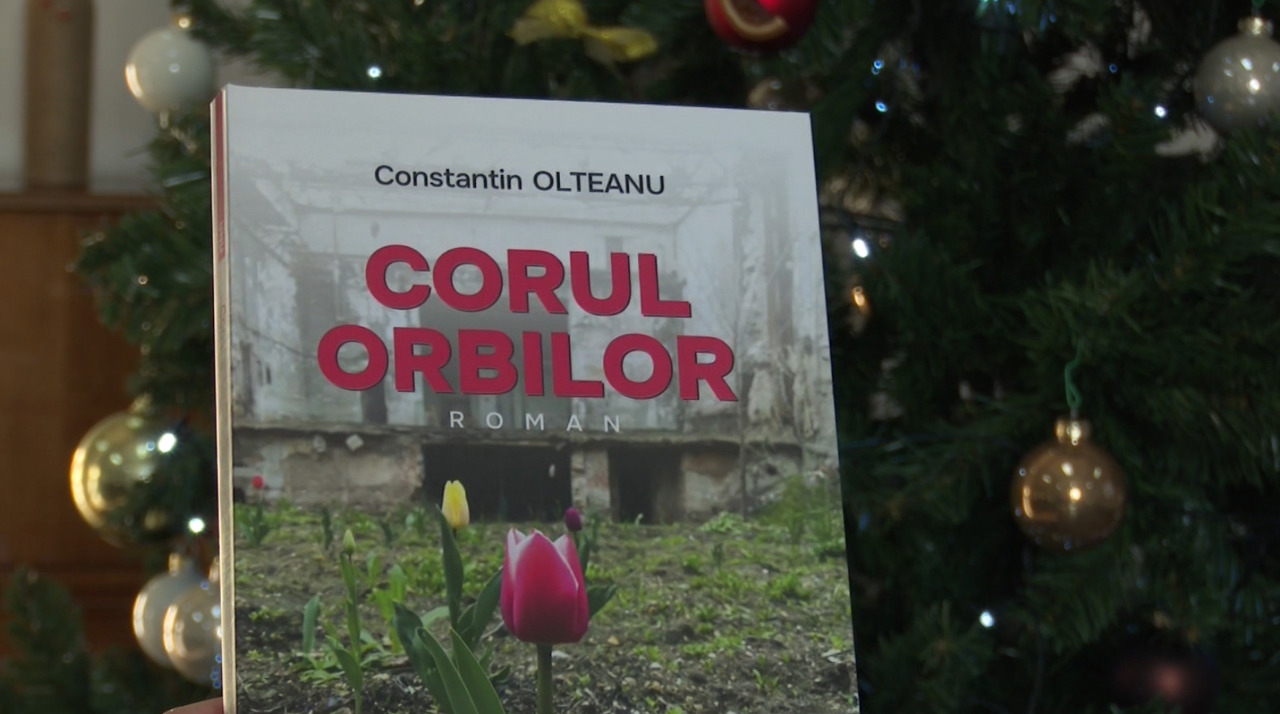
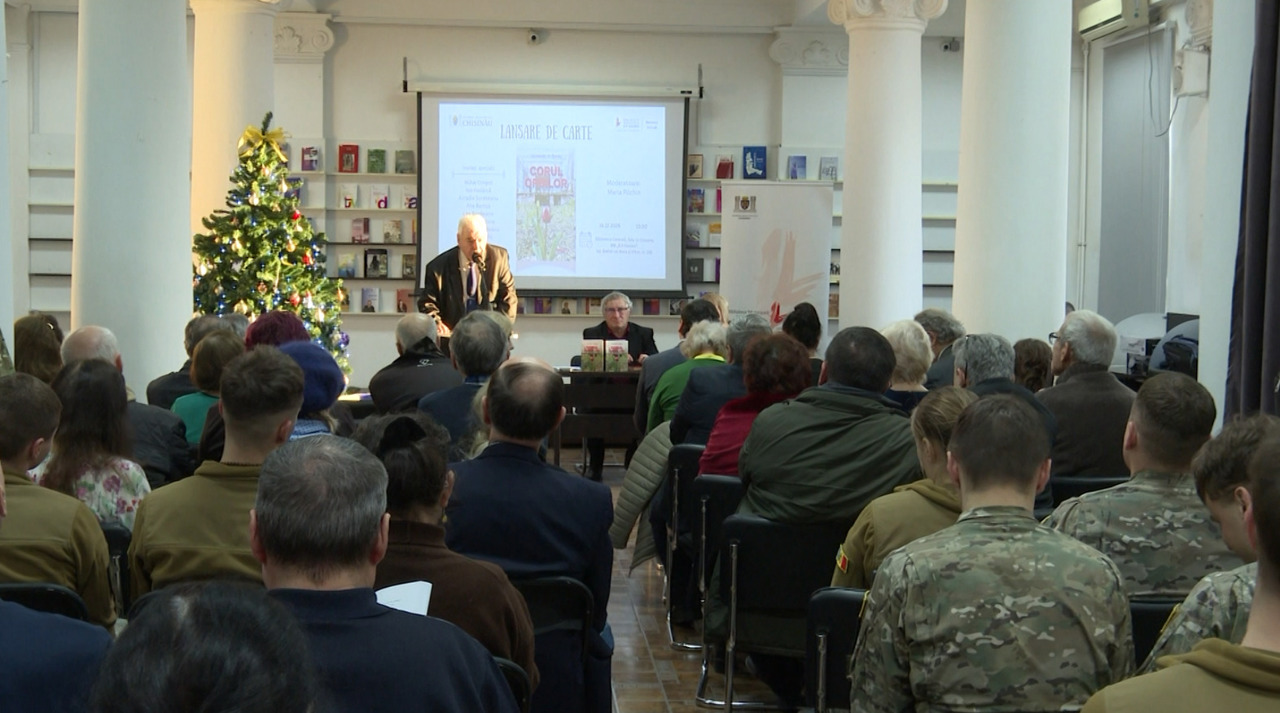
His latest creative milestone, the novel The Choir of the Blind (Corul orbilor), was recently unveiled at the B.P. Hasdeu Municipal Library.
From Poetry to Historical Prose
After his 1991 debut with the poetry collection Rachete cu zăpadă, Olteanu stepped away from book publishing for three decades before returning with Green Card. His newest work, The Choir of the Blind, finds its soul in a weathered diary dating back to the 1940s.
"It is the diary of Miluță Ariton, a fellow villager of mine," Olteanu explained. "It follows a destiny worth reading—a man who witnessed the demolition of churches and the pain of deportations."
When asked about the provocative title, the author noted that it reflects a metaphorical "blindness" within society. He suggests that the tolling of bells may serve as a guide to rediscover a path that has long been lost to sight.
A Diagnosis of the Past
The novel functions as a poignant diagnosis of a society shaped by the harsh winds of history. Academician Mihai Cimpoi describes the work as a raw look at the post-war realities of Southern Bessarabia, focusing on the "humiliated" who survived famine and displacement.
Writer Maria Pilchin noted that the characters anchor the Bessarabian identity between the East and the West. The narrative spans from the World Wars through to the complex socio-political transition of the 1990s.
Critics have praised the lyrical quality of the text, with author Lucreția Bârlădeau describing it as "poetic prose of great density and personality," drawing favorable comparisons to the style of Ion Druță.
Supporting the Creative Process
The publication was made possible through a dedicated initiative by the B.P. Hasdeu Municipal Library, designed to provide authors with the necessary resources for literary production.
"This program offers both the time and the creative space for writers," said Mariana Harjevschi, Director of the Municipal Library. "We provide financial support to sustain the writer throughout the entire creative process."
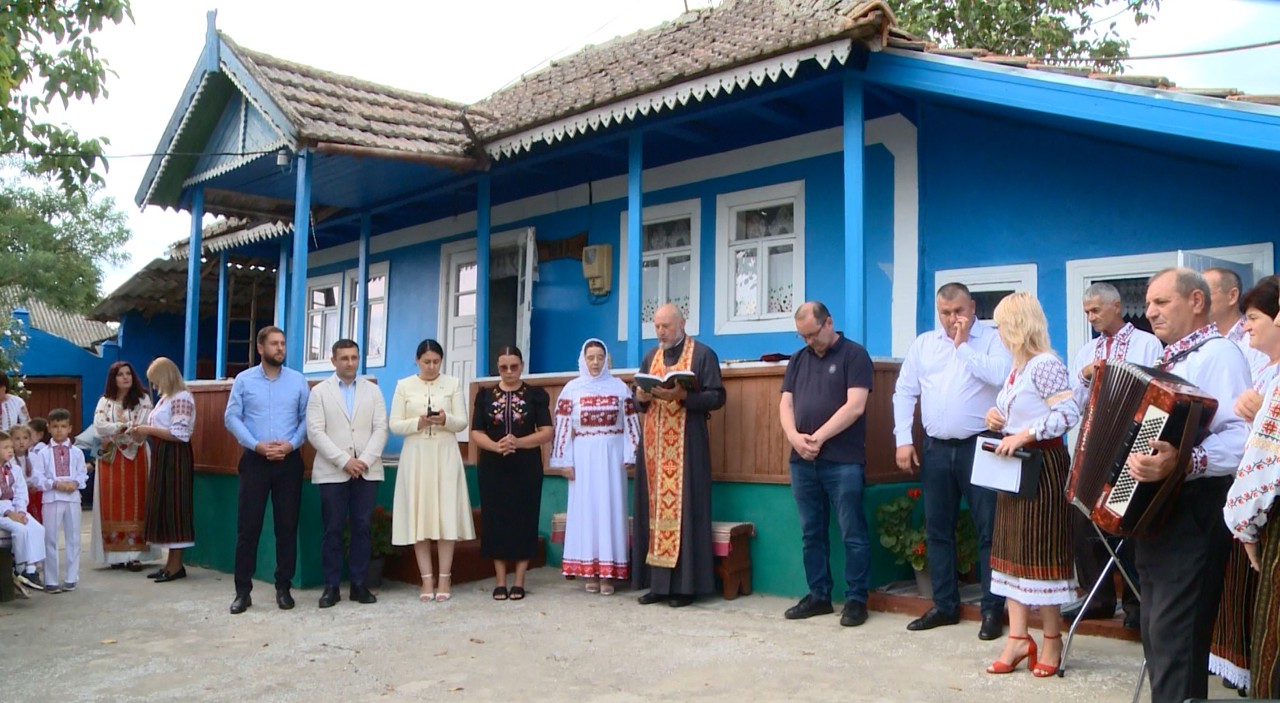
Before its city debut, the novel was first presented in Baurci-Moldoveni, the author's birthplace in the Cahul District, where he was born on October 15, 1959.
Translation by Iurie Tataru