Baltic parliamentary leaders reaffirm EU enlargement as a strategic necessity for Moldova and Ukraine
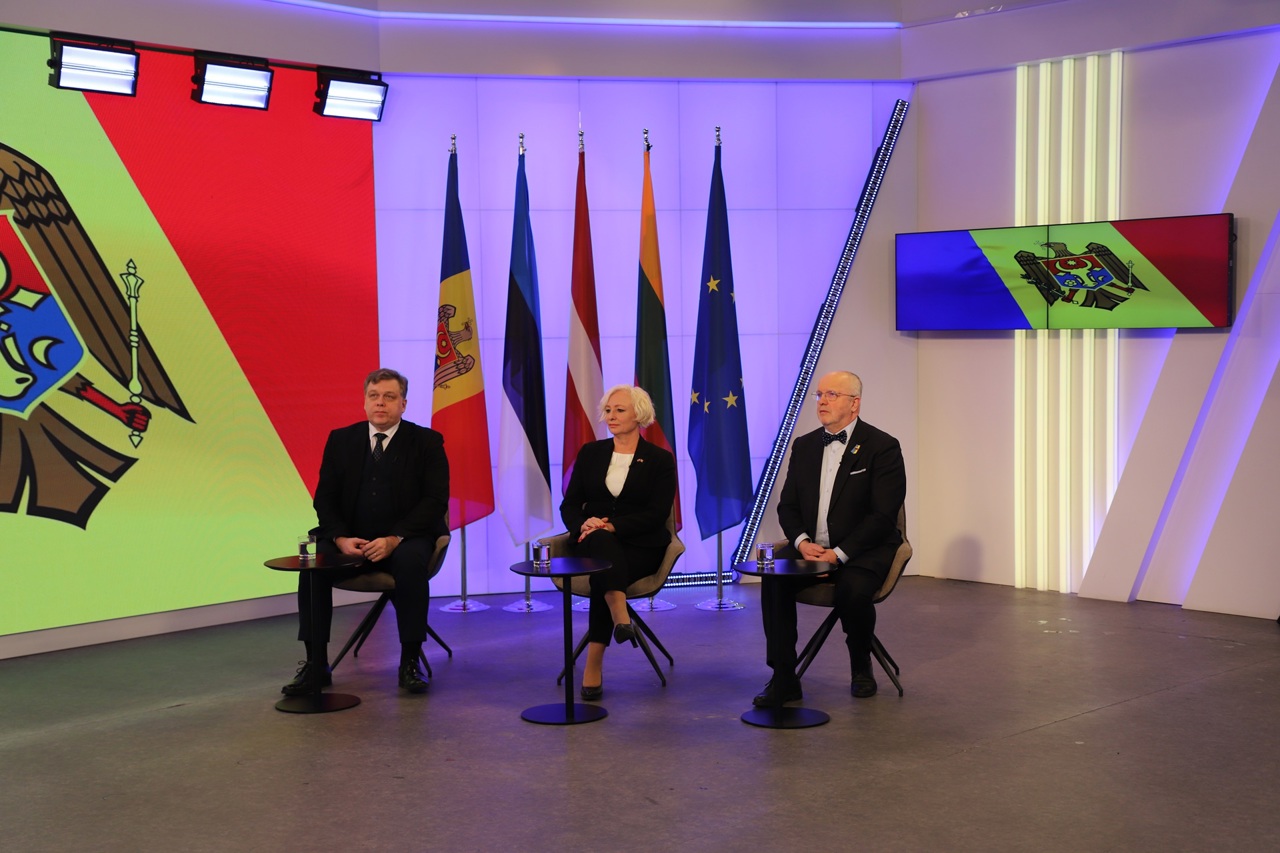
The integration of the Republic of Moldova into the European Union transcends technical compliance; it is a decisive geopolitical move. This was the core message delivered by the Speakers of the Baltic Parliaments during their official visit to Chisinau between February 2–4, 2026.
Lauri Hussar (Estonia), Daiga Mieriņa (Latvia), and Juozas Olekas (Lithuania) emphasized that while reforms are mandatory, the final "window of opportunity" is often a political decision. They urged Moldova to finalize its "homework" to be ready when that strategic moment arrives.
A strategic security tandem
In the current regional security climate, Moldova and Ukraine are increasingly viewed as a single "geopolitical package." The Baltic leaders argued that expanding the EU is no longer just an option, but a necessity to reduce Russian influence and secure European borders.
"Europe now understands that only a strong, unified continent can defend its values," stated Daiga Mieriņa. She noted that leaving candidate countries in a "gray zone" only invites external interference that threatens the entire Union.
Economic transformation and the Baltic precedent
The leaders provided concrete evidence of the benefits of integration. Estonia’s GDP grew from €8.8 billion (approx. 172.5 billion MDL) at the time of its accession to over €46 billion (approx. 900 billion MDL) today.
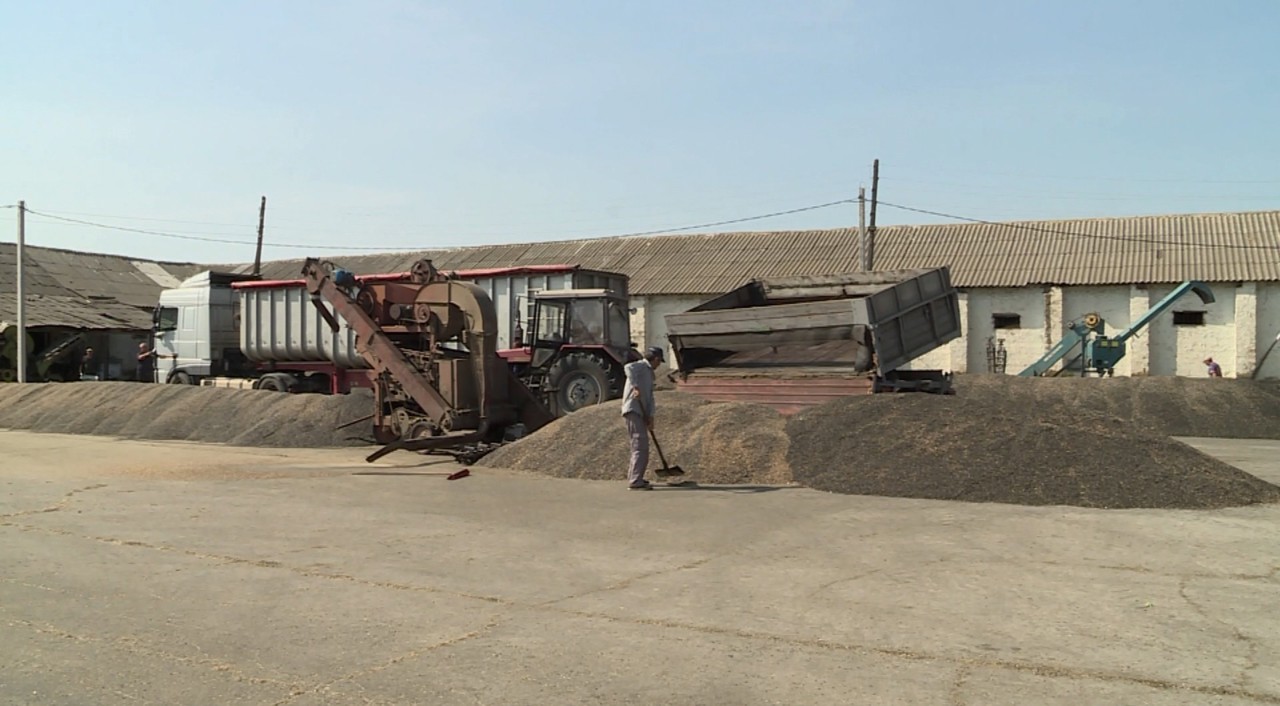
In Latvia, agricultural exports increased 16-fold since joining the single market. The officials highlighted that while the initial years may see labor migration, a stabilized economy eventually triggers a "return of the diaspora," as seen currently in Lithuania.
Diplomatic offensive against vetoes
Addressing potential skepticism from some EU member states, the Baltic delegation recommended active diplomacy. They suggested that direct dialogue and inviting skeptics to witness reforms firsthand are the most effective tools for overcoming political roadblocks.
The visit concluded with a strong signal of support for the 2027 milestone. This coincides with Lithuania’s upcoming Presidency of the Council of the European Union, which aims to accelerate the integration of the Eastern Flank.
Translation by Iurie Tataru