Formal collapse of new START marks the dawn of an unregulated nuclear era
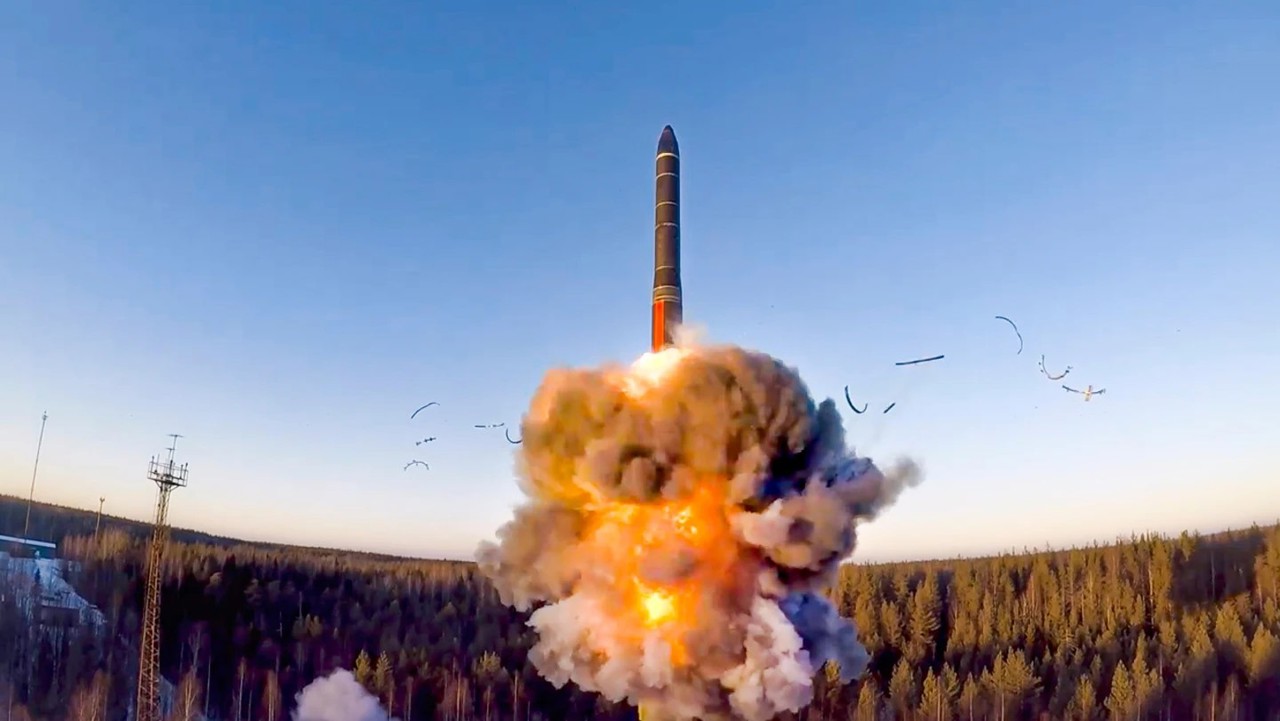
Today, February 5, marks the expiration of the New START Treaty, the last remaining legal pillar governing the world’s two largest nuclear arsenals. For the first time since the early 1970s, the United States and Russia are no longer bound by mandatory limits on their strategic nuclear forces.
Washington and Moscow currently control 87% of the global nuclear stockpile. Without a successor treaty or active negotiations, experts warn of a potential arms race far more volatile than that of the 20th century, exacerbated by ongoing tensions in Ukraine and the Persian Gulf.
The legacy of new START
Signed in 2010 by Presidents Barack Obama and Dmitry Medvedev, the treaty capped deployed strategic warheads at 1,550 and delivery vehicles—including ICBMs and heavy bombers—at 700. It also established a robust transparency framework, facilitating over 328 on-site inspections and 25,000 notifications.
While the agreement was extended for five years in 2021 by President Joe Biden, the current geopolitical climate has prevented further formal renewals. The treaty's verification mechanisms had already faltered by 2022, following Russia’s suspension of inspections citing Western sanctions.
A diplomatic deadlock
In late 2025, a proposal by Vladimir Putin for a voluntary extension received a mixed response from Donald Trump. While initially termed "a good idea," the U.S. position has since shifted toward demanding a trilateral agreement that includes China.
Beijing, however, remains resistant to nuclear arms control. Chinese officials argue their arsenal—estimated at 600 warheads—is significantly smaller than the 5,000+ warheads held by both the U.S. and Russia, making parity-based limits premature.
Uncertain Future and New Threats
The expiration opens the door for both nations to deploy hundreds of additional warheads. Furthermore, new Russian strategic technologies, such as the Burevestnik nuclear-powered cruise missile and the Poseidon underwater drone, remain outside previous regulatory frameworks.
As of today, no preliminary talks for a replacement treaty are underway. The daily exchange of data that once provided a clear picture of global nuclear stability has ceased, leaving the international community in a state of unprecedented strategic ambiguity.
Translation by Iurie Tataru