EU demands Russian military withdrawal from Moldova as Transnistrian settlement nears critical juncture
Chisinau's path to resolving the Transnistrian conflict depends on internal political will and shifting regional security dynamics, including a fundamental redefinition of international presence in the Security Zone.
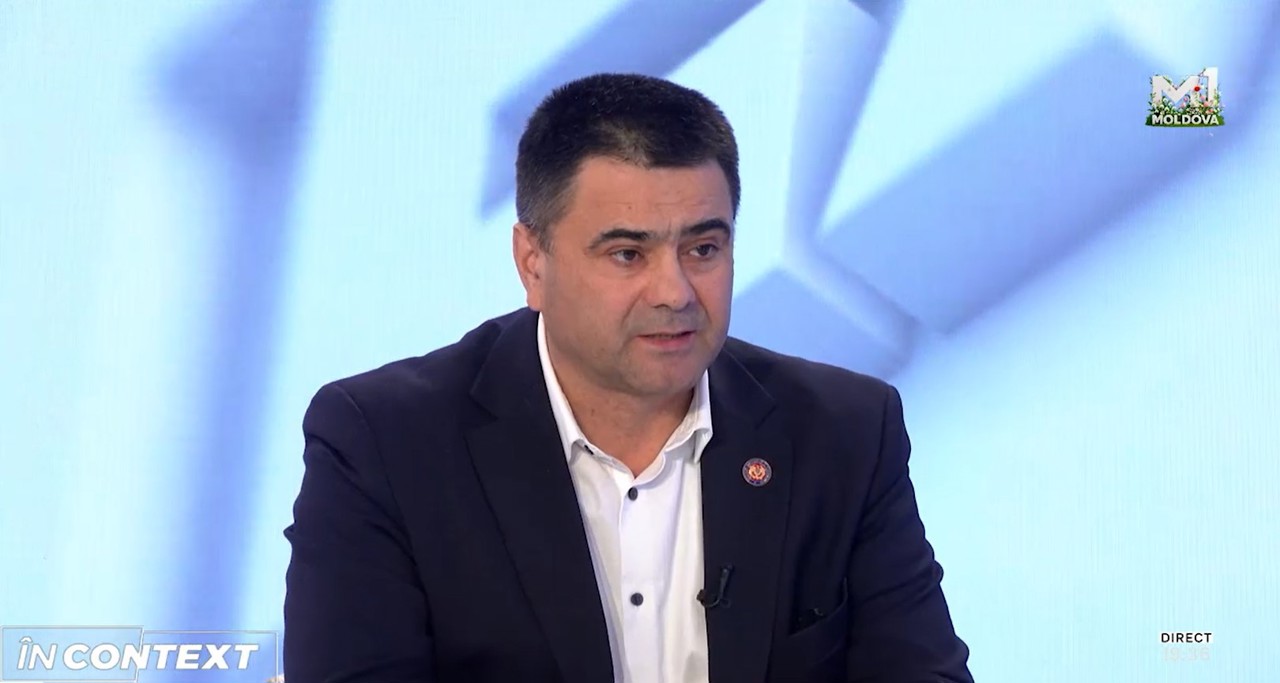
Former Defense Minister Vitalie Marinuța argues that Chisinau’s "excessive tolerance" and the current "peacekeeping mission" only serve to maintain the status quo for separatist leaders. He emphasized the need for political courage to hold those leading the unrecognized regime accountable, ending a decades-long sense of impunity.
Ending the military outpost
Marinuța noted that the Intelligence and Security Service (SIS) is well-aware of the situation, yet a policy of indulgence persists. He described the current separatist administration not as a legitimate entity, but as a "strategically armed military outpost" established by Russia to threaten Ukraine’s rear flank.
The former official criticized the existing peacekeeping mechanism on the left bank of the Dniester, labeling it a guarantor of separatist statehood rather than a neutral force. He called for replacing the outdated military mission with a civilian mandate led by the European Union or the OSCE.
The impact of regional shifts
The rhetoric within the Transnistrian region has notably shifted recently, with separatist leaders moving away from calls for "independence" or "unification with Russia." Marinuța suggests that a Ukrainian victory would fundamentally alter the fate of the regime, potentially leading to its collapse from internal pressure.
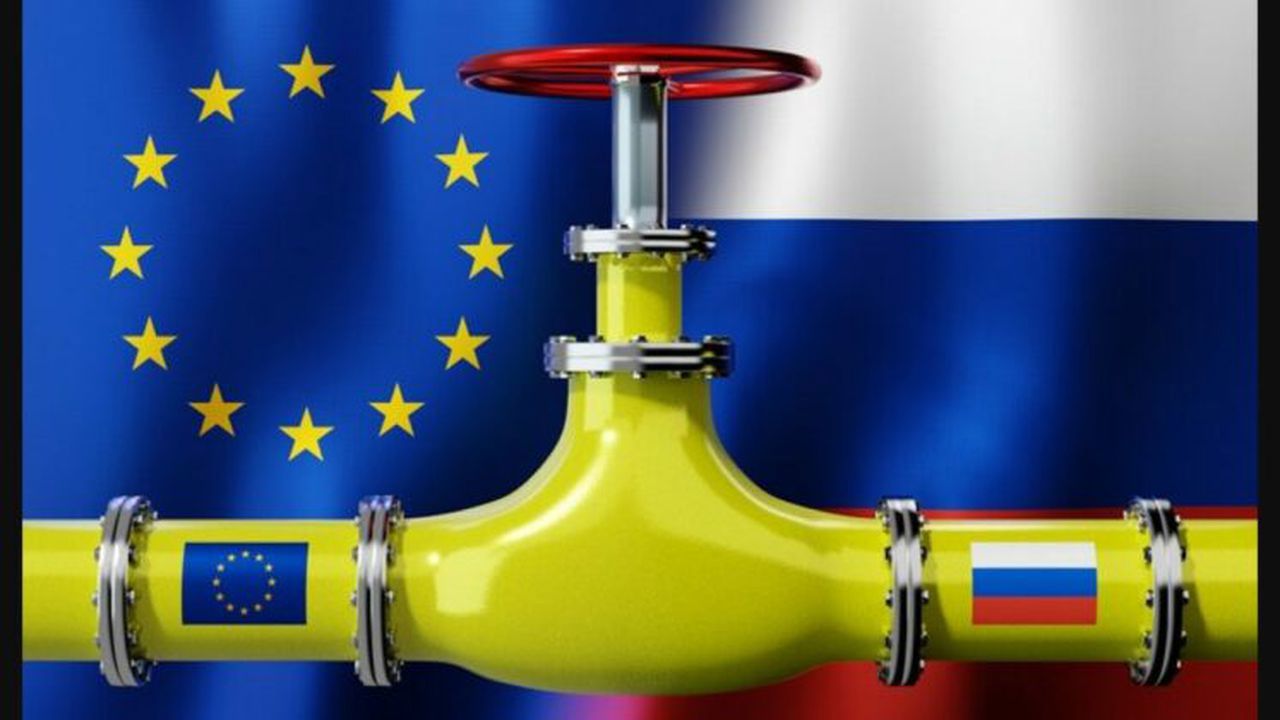
Meanwhile, a leaked internal document reveals that the European Union is demanding the complete withdrawal of Russian troops from Moldova, Ukraine, Belarus, Georgia, and Armenia. Brussels views the removal of this military presence as a non-negotiable component of any future peace agreement.
Economic integration as a catalyst
Three decades after the War on the Nistru, officials are warning against Russia’s intensifying "cognitive warfare" against Moldova. In response, Chisinau is looking toward economic levers to secure long-term stability.
Experts believe that while legal mechanisms for human rights in the region remain limited, the government’s newly announced convergence fund will facilitate economic integration. This initiative aims to increase social welfare and bridge the gap between the two banks of the river.
Translation by Iurie Tataru