EU capital fuels 80% of Moldova's investment growth despite regional shifts
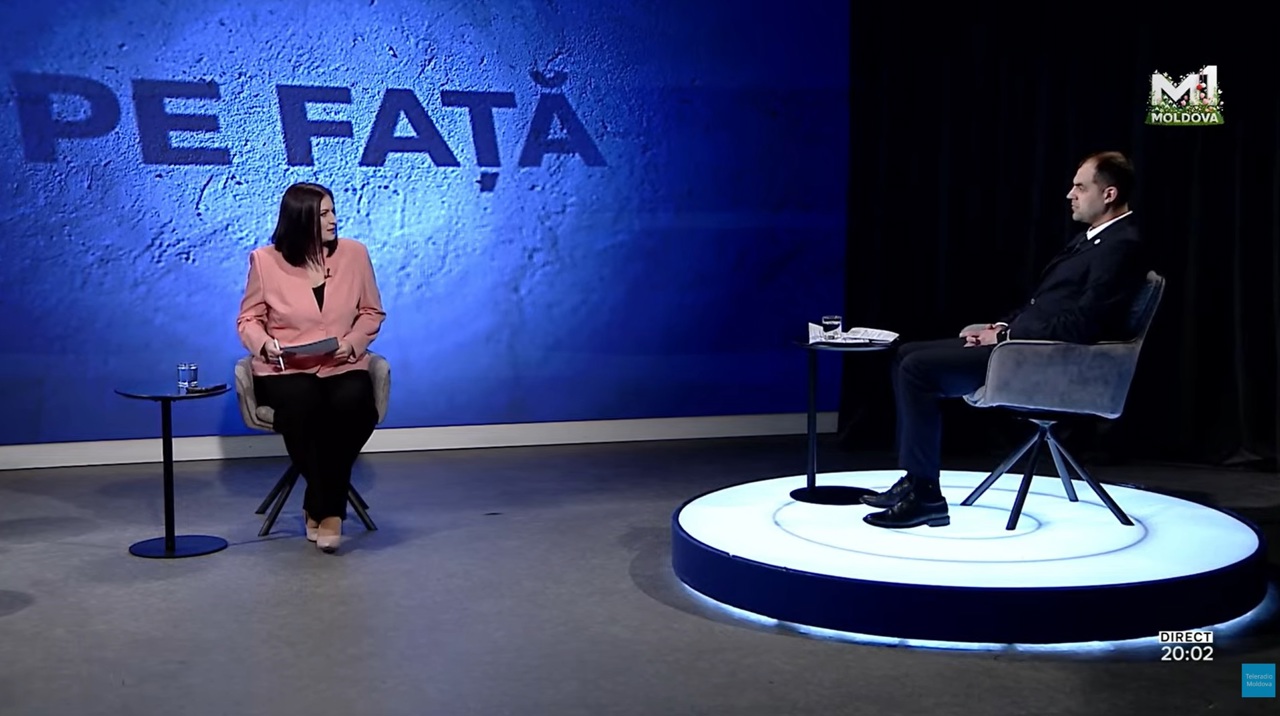
The European Union remains the primary engine of the Moldovan economy, accounting for approximately 80% of all foreign direct investment (FDI). According to Mihai Burunciuc, Deputy Director of the Invest Moldova Agency, the nation’s investment climate remains attractive despite a volatile regional geopolitical landscape.
While global FDI trends saw a downturn, Moldova’s investment stock rose to $6.3 billion in the first nine months of 2025. Net inflows reached $309 million during this period, marking a 14% increase compared to the previous year.
In 2024, net inflows stood at $360 million (approx. 7.1 billion MDL), maintaining stability even as the European Union and global markets faced contraction. Key investors originate from Czechia, Belgium, the Netherlands, and Hungary, followed by Ukraine and Canada.
Trade dynamics and infrastructure
Moldova's export sector also signaled expansion, reaching $3.78 billion in 2025, a 6.4% year-on-year increase. The EU market continues to absorb 67% of these exports, reinforcing the country's Western economic integration.
Despite these gains, a significant trade deficit persists. High energy costs and raw material prices continue to pressure the competitiveness of Moldovan products on the international stage.
Addressing structural bottlenecks
The Investment Agency identifies two primary hurdles for future growth: specialized labor shortages and infrastructure quality. Authorities are currently streamlining legislation to facilitate the employment of foreign workers and improve road networks.
"Foreign direct investment is the cornerstone of a developed economy," Burunciuc stated. He noted that a high rate of profit reinvestment by current players signals long-term confidence in the Moldovan market.
Translation by Iurie Tataru