No fuel shortage in the Republic of Moldova; Government weighs aid for farmers
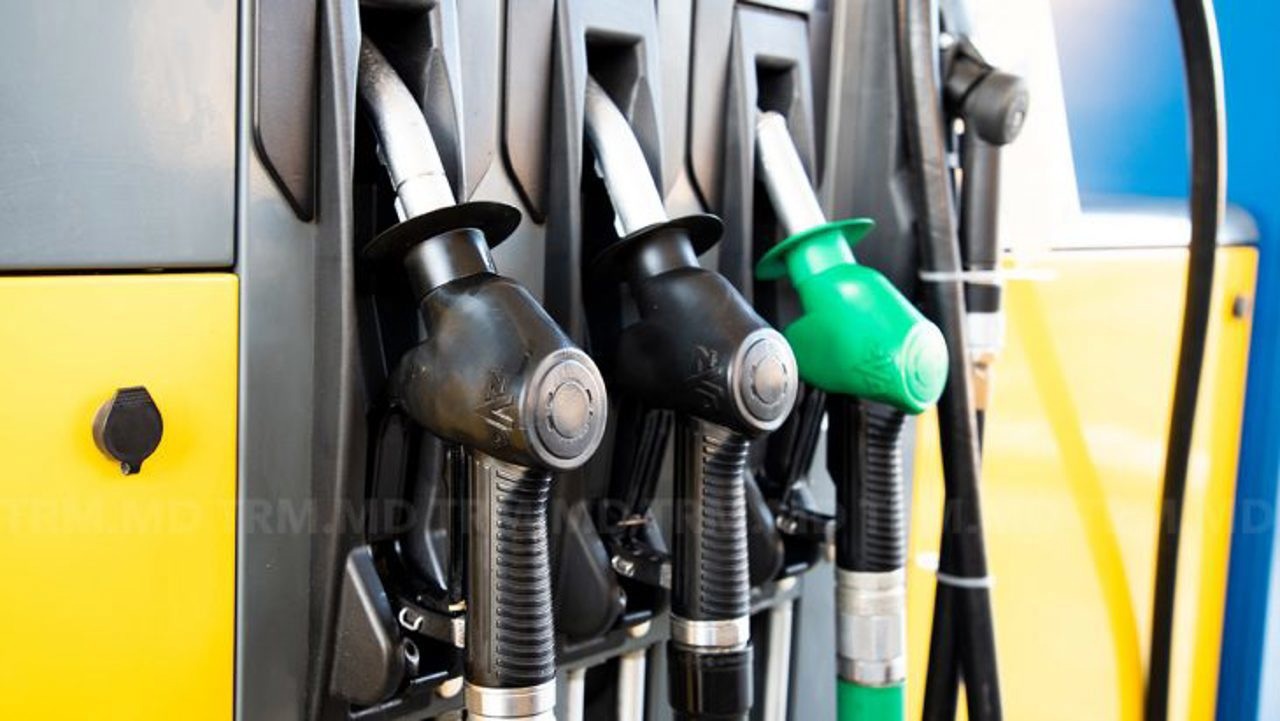
The authorities in the Republic of Moldova assure that there are currently no risks to fuel supply. The state of alert in the energy sector is meant to prevent a crisis and enables the authorities to intervene swiftly to maintain control over fuel and energy stocks. However, this measure cannot prevent price increases. Experts point out that factors such as the conflict in the Middle East, the war in Ukraine, and heightened consumption during the agricultural season are putting pressure on the market.
The state of alert does not impose direct restrictions on citizens; however, state institutions are operating under an intensified regime to monitor the market and prevent potential issues with the supply of petroleum products. This was stated by the General Director of the National Crisis Management Center, Serghei Diaconu, during the "Public Space" show on Radio Moldova.
Diaconu said that, currently, there are no direct signals indicating destabilization in the energy market in the Republic of Moldova. However, the regional and global context necessitates caution. He noted that the Republic of Moldova is currently in a relatively stable situation. Still, if conditions worsen, new measures could be implemented quickly.
Meanwhile, the government is evaluating support mechanisms for farmers, as the agricultural season typically leads to a significant increase in diesel consumption. One proposal would allow the import of petroleum products without a license, enabling farmers to purchase fuel at lower prices on the open market. The possibility of VAT compensation mechanisms is also under consideration. Additionally, a meeting with farmers is scheduled for today to discuss the sector's situation.
At this stage, it is too early to predict whether the state of emergency will be extended, although it could be terminated at any time, Diaconu said.
“Currently, there are no grounds for an extension, but the volatility in the energy market is very high. It can change from day to day or even hour to hour. Everything depends on whether the Strait of Hormuz is unblocked, whether there are attacks on Ukraine's energy infrastructure, and what happens to processing capacities currently blocked in Romania and Bulgaria. These factors determine our daily monitoring, and if necessary, we will also move to scenarios, including the possibility of declaring a state of emergency,” mentioned Serghei Diaconu.
Fuel prices in the Republic of Moldova are directly affected by developments in international markets, and the tariff-setting mechanism employed by the National Energy Regulatory Agency (ANRE) reflects these changes with a certain delay. This means that price adjustments do not happen immediately, according to Alexei Taran, the general director of ANRE.
However, Taran stressed that authorities cannot make specific forecasts at this time because market evolution is largely influenced by external factors, particularly geopolitical developments and global oil prices.
"The role of the agency is to maintain a balance in the market because, ultimately, consumers are interested in not just fair prices but also in having access to products. Through our various mechanisms, the agency maintains this balance, ensuring economic viability for market operators and enabling them to import and sell petroleum products in the long term. This isn’t just a challenge in the Republic of Moldova; it is a global issue. Compared to neighboring countries, especially Romania and Ukraine, the rate of price increases for petroleum products at stations in Moldova is much lower, thanks to the mechanisms established by the agency,” said Alexei Taran.
Energy expert Sergiu Tofilat emphasized that the state of early alert allows authorities to make more prompt decisions, which ultimately benefits citizens.
"We are discussing scenarios that do not directly concern the Republic of Moldova. Despite our wishes, we cannot influence the situation that has developed. Regardless of the circumstances in the Persian Gulf, solutions will be found. For example, China can reroute its ships to import directly. I expect turbulence and uncertainty over the next month or two, but the situation will eventually become clearer. However, we should prepare for inevitable price increases," underscored Tofilat on Radio Moldova.
It should be noted that the global market is directly impacted by the conflict in the Middle East. In the Republic of Moldova, the price of diesel fuel has increased by 2.15 lei per liter in just one week.
The government declared a 60-day state of alert in the energy sector on March 4. As a result, the Customs Service permits the export and re-export of petroleum products from the Giurgiulesti International Free Port only if the stored stocks exceed eight thousand tons for gasoline and 25 thousand tons for diesel.