António Costa urges EU ambassadors to prepare the “next enlargement”, including Moldova and Ukraine
The future of Ukraine, Moldova, and six Western Balkan states lies within the European Union, but decisive steps, including in Brussels, are needed to make enlargement a reality in the coming years.
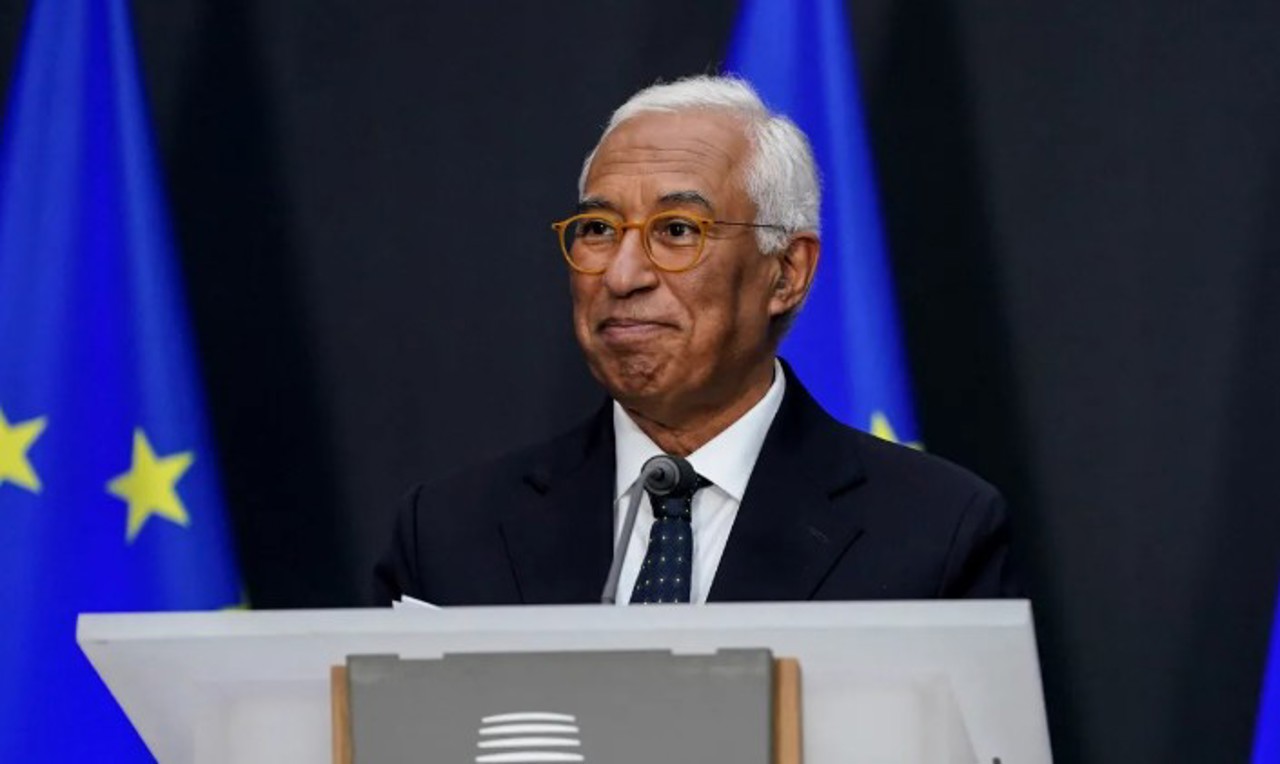
European Council President António Costa delivered the message to EU diplomats at the 2026 EU Ambassadors Conference on March 10 in Brussels. The event included Moldova’s top diplomat, Mihai Popșoi.
“We must prepare the next enlargement,” Costa urged.
He said Ukraine’s candidacy has created “a new dynamic, a new momentum” for EU accession.
“This momentum extends beyond Ukraine to Moldova and all six Western Balkan partners. Their future lies within the European Union, with accession based on merit, ensuring the highest standards for all. To make enlargement a reality in the coming years, we must take decisive steps and harness this momentum,” Costa emphasized.
While stressing that the EU must respect candidates’ merit-based criteria, he noted that Brussels should also feel a “sense of urgency.”
“The international system is changing dramatically. Force politics have returned to the forefront. The European Union responds to these changes by becoming more autonomous and resilient,” Costa said, adding that “the European Union is a project of reconciliation and peace,” and that its enlargement represents “the best geostrategic investment we can make for our future.”
Currently, the EU enlargement process targets nine candidate countries, including Moldova and Ukraine, which have accelerated reforms since gaining candidate status in 2022.
Moldova is in technical negotiations on the first three accession chapters and will soon open the final three clusters. The government aims to prepare the country for EU membership by 2028, with full accession expected by 2030.
Western Balkan states, such as Albania and Montenegro, are at various stages of accession chapter negotiations, often slowed by rule-of-law issues and historical regional conflicts.
Negotiations with Turkey remain frozen for several years due to major political disagreements.