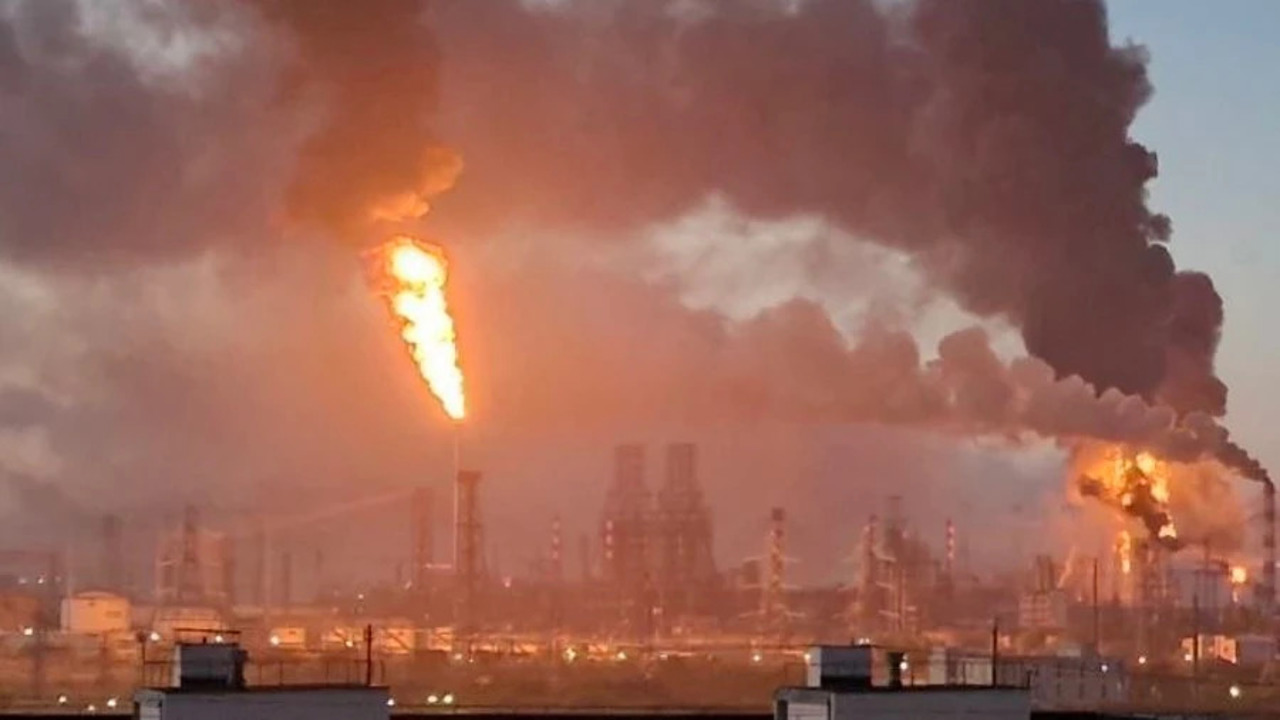
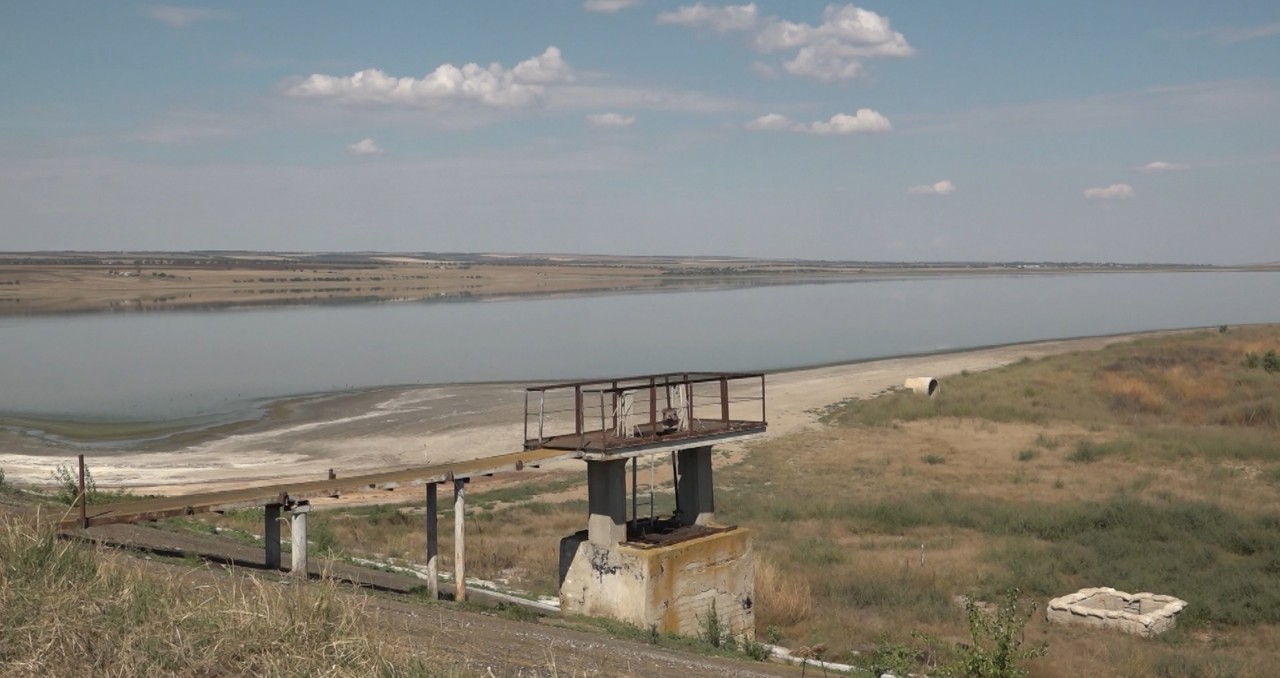
Budapest vetoes €90 billion EU loan as diplomatic friction over oil transit escalates
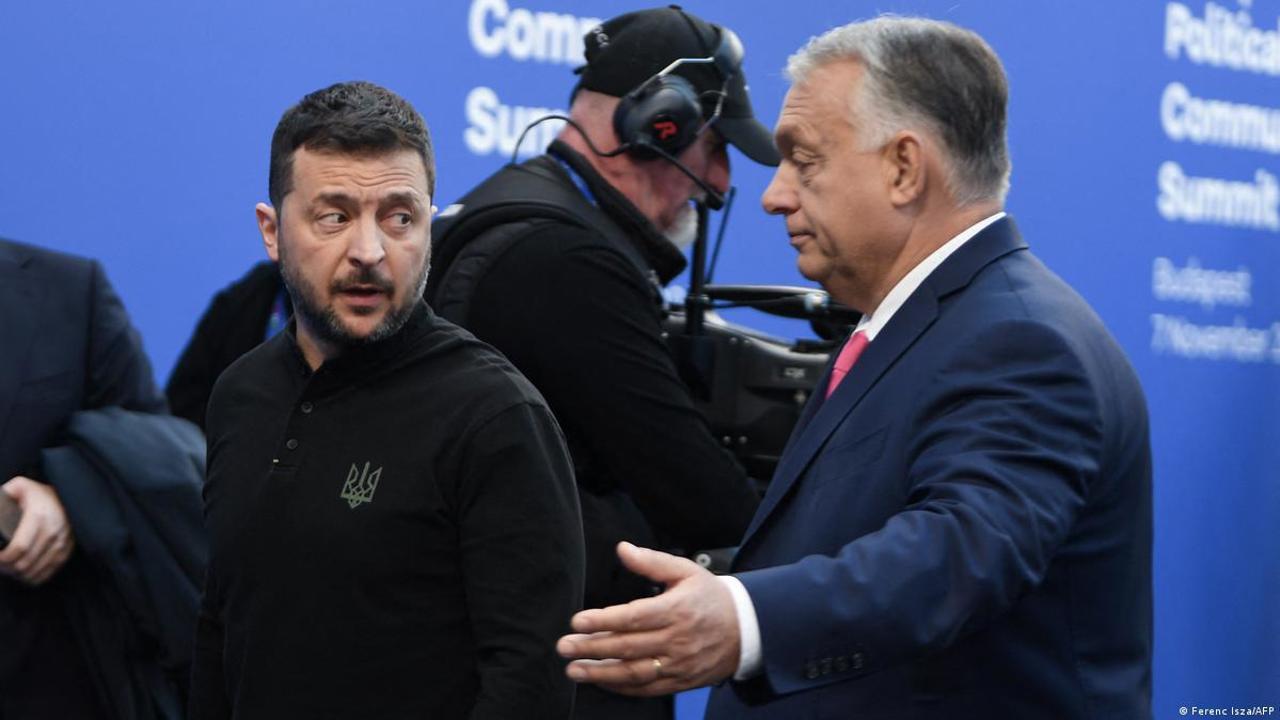
Kyiv has officially rejected the format of a Hungarian delegation intended to inspect the Drujba oil pipeline. This move intensifies a two-month standoff between the neighboring nations regarding critical energy transit.
According to a March 10 diplomatic note from the Ukrainian Foreign Ministry, the proposed visit led by Deputy Energy Minister Gábor Czepek was deemed "unacceptable." Kyiv insists that new dates and protocols must be established through formal diplomatic channels.
Status of the delegation contested
Friction peaked on March 11 when the Hungarian team crossed the border without obtaining official status from Kyiv. Ukrainian officials subsequently characterized the members as "tourists," while President Volodymyr Zelenskyy claimed he was unaware of the mission.
Hungarian Foreign Minister Péter Szijjártó countered these claims, asserting that Budapest had specifically requested a high-level meeting between Czepek and Ukrainian Prime Minister Denys Shmyhal.
Financial leverage and European mediation
The dispute has now frozen significant financial flows. Budapest is currently blocking a €90 billion European Union loan intended for Ukraine.
Hungarian Prime Minister Viktor Orbán stated that the veto will remain in place until oil transit via the Drujba pipeline resumes. Meanwhile, EU leadership, including Ursula von der Leyen and António Costa, are mediating talks to repair the infrastructure.
Security concerns have also entered the political discourse. Prime Minister Orbán recently alleged in a televised address that his family has received threats originating from Ukraine.
Translation by Iurie Tataru