Trump urges Israel to spare Iranian energy sites amid price surge
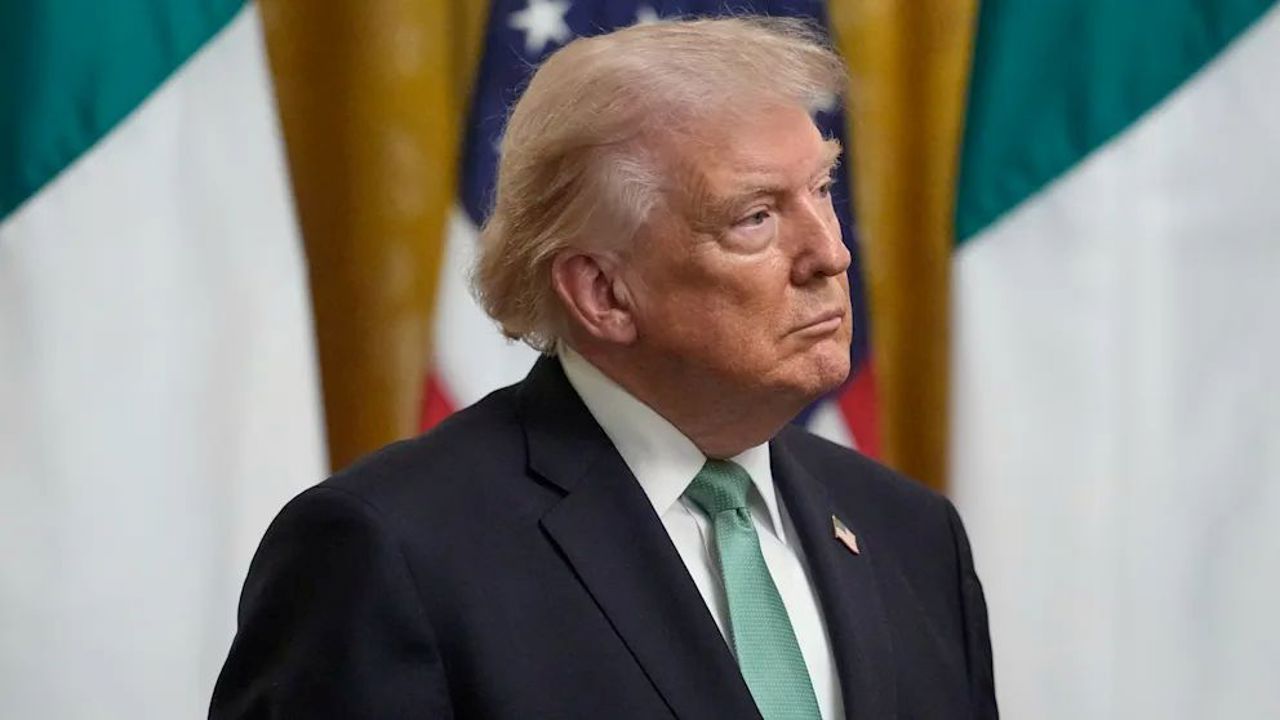
US President Donald Trump said on Thursday he has requested that Israel refrain from further strikes on Iran’s natural gas infrastructure. The move follows a series of reciprocal attacks that have destabilised global energy markets and escalated tensions between Washington, Jerusalem, and Tehran.
The President’s statement comes as energy prices surged following an Iranian strike on Qatar’s Ras Laffan industrial city. The hub processes approximately one-fifth of the world’s liquefied natural gas (LNG). The attack caused significant damage, with experts estimating that repairs could take several years to complete.
Simultaneously, Iran targeted Saudi Arabia’s primary Red Sea port, a critical facility for bypassing the Strait of Hormuz. These strikes demonstrate Tehran's capacity to inflict substantial economic pain despite US and Israeli regional presence.
Facing domestic political pressure over rising fuel costs, Mr Trump criticised allies for their "reserved" response to securing the Strait of Hormuz. Approximately 20% of the world's oil transits through the strategic waterway.
"I told him, 'Don't do it,'" Trump told reporters in the Oval Office, referring to a conversation with Israeli Prime Minister Benjamin Netanyahu. "And he's not going to do it." The remarks were made during a bilateral meeting with Japanese Prime Minister Sanae Takaichi.
Energy crisis deepens
As the conflict enters its third week without a ceasefire, fears of a global "oil shock" are mounting. A coalition including the UK, France, Germany, Italy, the Netherlands, and Japan issued a joint statement pledging to ensure safe navigation in the Gulf.
These nations also promised measures to stabilise energy markets through increased cooperation with oil-producing states. However, German Chancellor Friedrich Merz noted that any direct involvement would only occur once hostilities conclude.
European reluctance reflects growing scepticism over a conflict with ambiguous objectives. Discrepancies have also emerged regarding coordination; while Trump claimed the US was not informed of Israel's strike on the South Pars gas field, Israeli officials insisted the operation had been discussed with Washington.
Economic fallout
The Iranian military has declared these strikes "a new stage of war." They warned of continued attacks on energy facilities belonging to the US and its allies if Israeli operations persist.
The CEO of QatarEnergy confirmed that the strikes have disabled roughly one-sixth of Qatar’s LNG export capacity. This disruption is valued at approximately $20 billion annually, with recovery efforts projected to take three to five years.
Market reactions were swift and severe. Brent crude rose 3% to $110.35 per barrel, after an initial 10% spike. European gas prices jumped 15% in a single day, marking a 60% increase since the start of the conflict.
The European Central Bank and the Bank of England have maintained interest rates amidst rising inflation fears. The ECB now forecasts inflation at 2.6% for 2026, up from its previous 1.9% estimate. EU leaders meeting in Brussels are currently debating emergency measures to protect households from soaring energy costs.
Translation by Iurie Tataru