Chernobyl 40 years on: Moldova warns of nuclear risks
Four decades after the Chernobyl disaster, critical safety lessons remain unheeded while regional risks escalate due to the war in Ukraine. Valeriu Cazac, President of the Chernobyl Association in Chisinau, warns that Moldova remains dangerously vulnerable to potential nuclear incidents.
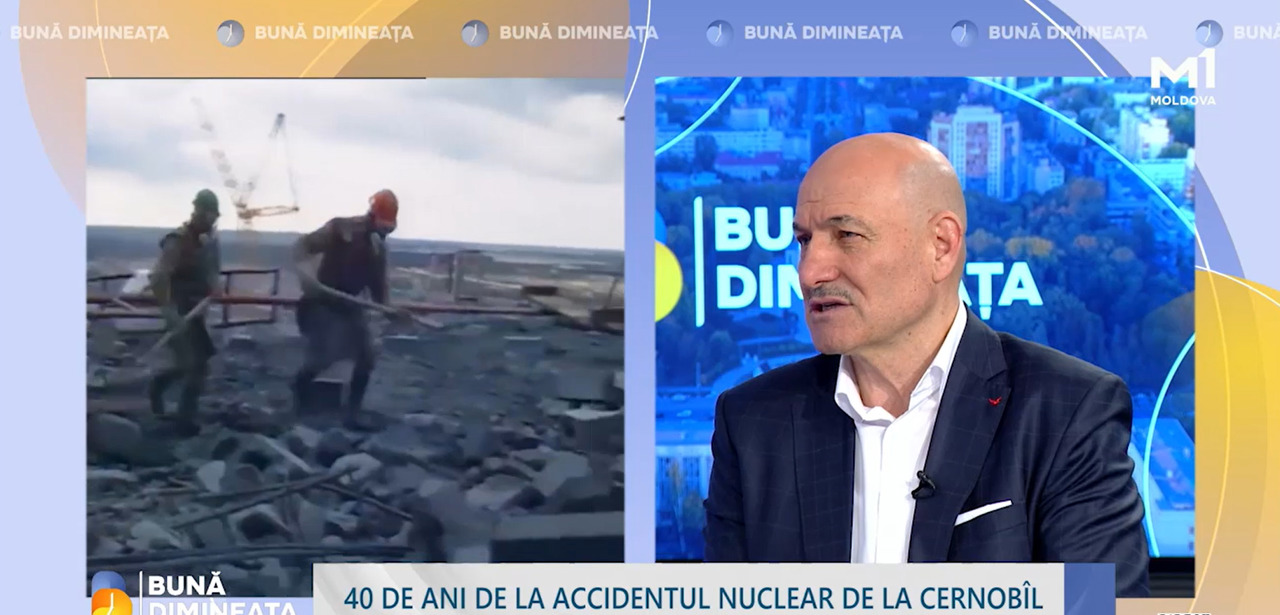
In a recent interview with Moldova 1, Cazac emphasized that the legacy of the 1986 tragedy is more relevant than ever. He noted that the same lack of transparency that worsened the original disaster still haunts regional security today.
A history of systemic silence
Cazac recounted how Soviet authorities suppressed information during the first days following the April 26, 1986, explosion. While radiation levels spiked across Europe, local populations in Pripyat and nearby Moldova were left completely in the dark.
The disaster was largely fueled by human error during a technical experiment. Poorly trained personnel bypassed safety protocols to push the RBMK reactor beyond its limits, leading to a catastrophic core meltdown and fire.
The sacrifice of the liquidators
Approximately 3,600 Moldovan citizens, mostly military personnel, were dispatched to the exclusion zone to mitigate the fallout. Cazac, who entered the "invisible battlefield" in May 1986, described a scene of total chaos.
Early responders faced the radiation with inadequate protective gear and no clear protocols. This lack of preparation led to chronic illnesses and long-term health struggles for thousands of Moldovan families.
Modern threats and regional security
The expert pointed out that nuclear risks are an immediate concern due to Moldova’s proximity to several active reactors. The ongoing military conflict in Ukraine significantly increases the probability of a structural or operational accident.
Cazac urged authorities to modernize the legal framework and conduct public emergency drills. He argued that the current level of civilian preparedness is insufficient for a real-time crisis.
Protocols for survival
In the event of a nuclear incident, Cazac recommends immediate indoor sequestration. Citizens should seal windows and doors thoroughly to prevent the entry of radioactive dust and limit all outdoor exposure.
Protecting food and water supplies is also critical. "Preemptive measures are the most effective right now," Cazac concluded, stressing that Moldova must act before being forced into a reactive crisis mode.
Technical background
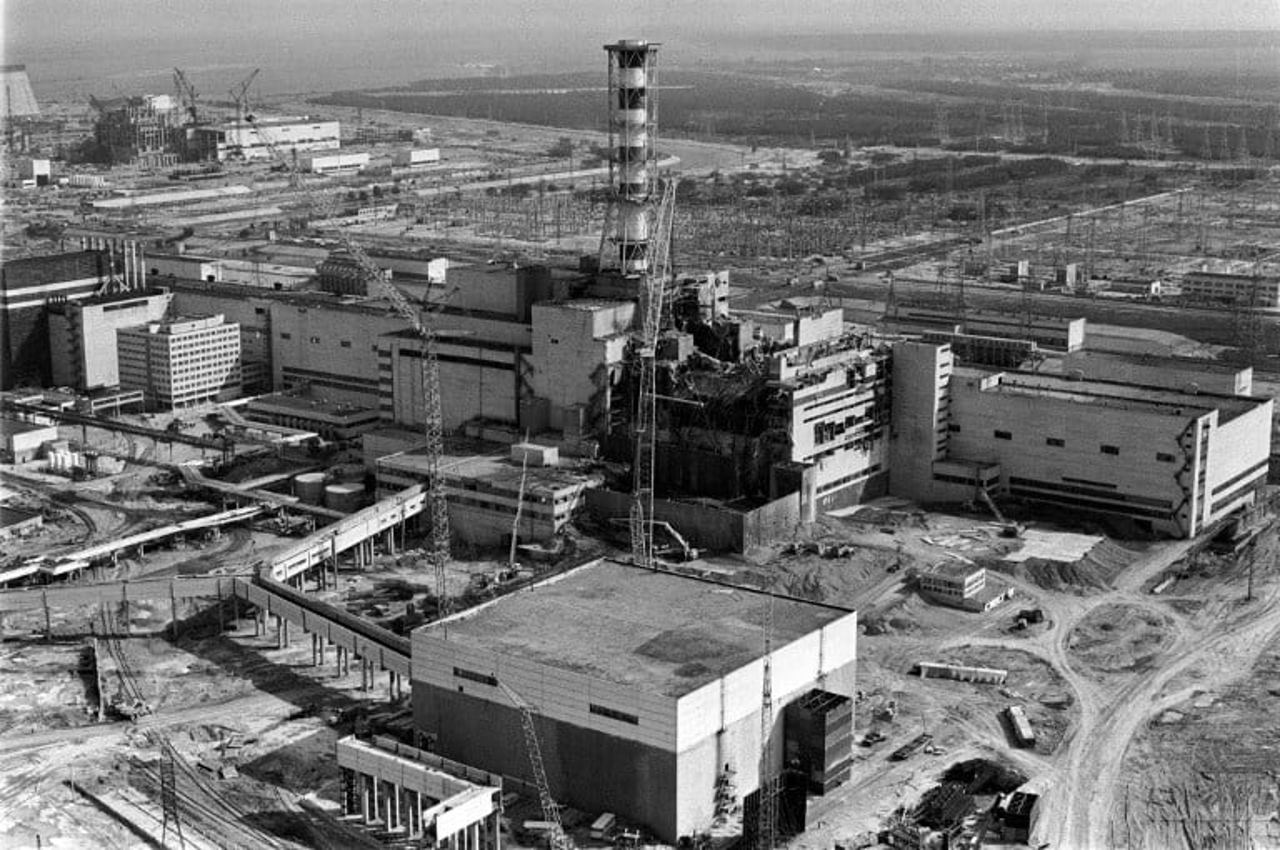
According to the IAEA, the 1986 disaster occurred when reactor number four at the Chernobyl plant went out of control during a low-power test. The resulting explosion released massive amounts of radiation into the atmosphere, affecting millions across the continent.
Translation by Iurie Tataru