EU–Moldova energy partnership described as “strong and future-oriented”; key discussions held in Brussels
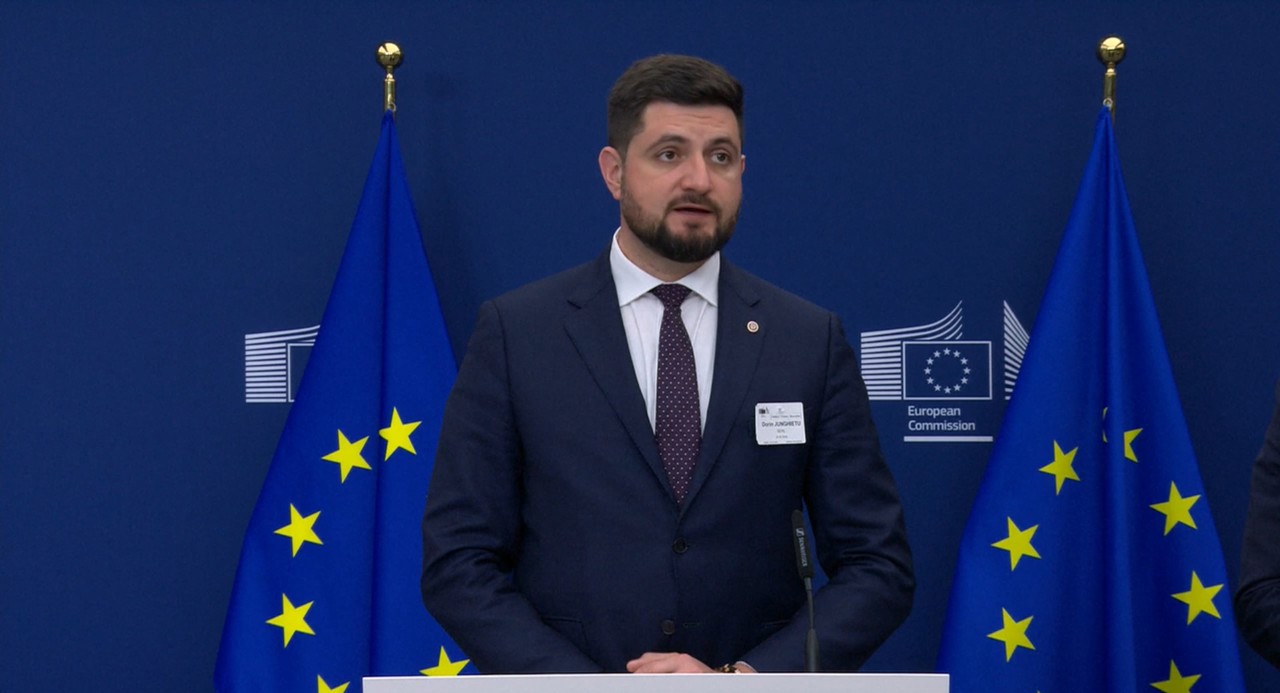
The energy partnership between the European Union and the Republic of Moldova is robust and focused on the future. This statement was made by Dan Jørgensen, the European Commissioner for Energy and Housing, during the seventh meeting of the High-Level Energy Dialogue.
The Minister of Energy, Dorin Junghietu, held an official meeting with the European Commissioner to reaffirm common priorities for collaboration. These priorities include investments in interconnections, accelerated market integration, strengthening security of supply, and expanding renewable energy.
“Today, the architecture of our energy security is pragmatic and functional. We have access to the European gas market, alternative supply routes, and both commercial and strategic storage. We have developed flexible regional corridors, including Romania, Ukraine, and the Vertical Gas Corridor. For a country without domestic gas production and underground storage, interconnection is not just an advantage; it is a condition for survival,” said Dorin Junghietu.
The European Commissioner emphasized that the challenging context of recent years, particularly the tensions in the Middle East, has highlighted the Republic of Moldova’s ability to confront global energy challenges.
“The Republic of Moldova understands this better than most. In recent years, this country has demonstrated remarkable political leadership by decisively ending its dependence on Russian gas and electricity. It has diversified its supply routes and accelerated its integration into the European electricity system,” stressed Dan Jørgensen.
The European official noted that shared challenges lead to the identification and implementation of common solutions.
“In the short term, we will continue to coordinate closely to manage risks and ensure security of supply. In the long term, we must accelerate our efforts to build sustainable resilience and achieve greater diversification of energy resources,” concluded Dan Jørgensen.
Minister Junghietu emphasized that the European Union is a crucial partner in Moldova's energy transformation. European investments in the energy sector have significantly advanced the implementation of necessary reforms. The legal framework for market liberalization is now complete in both the gas and electricity sectors. As of April 2026, all major gas consumers have transitioned to the free market.
"We have a clear message: the future of energy in the Republic of Moldova is green and integrated. The installed capacity of renewable energy has already surpassed 1 gigawatt, and we are committed to further growth. For the Republic of Moldova, aligning with market standards is not just a technical goal but a strategic imperative. Regional cooperation, backed by the European Commission, ensures system stability, and our energy sector can thrive only within the European Union energy market," declared Dorin Junghietu.
The Minister of Energy is visiting Brussels from May 4 to May 6 to enhance energy cooperation with European institutions and international partners. The itinerary includes participation in the 17th meeting of the EU-Moldova Parliamentary Association Committee and the official opening of the SolarPower Europe Summit, the largest European event focused on solar energy and storage.
Additionally, the Minister will hold bilateral meetings with Gert Jan Koopman, the European Commission’s Director-General for Neighbourhood and Enlargement Negotiations, Andrew Puzder, the US Ambassador to the EU, and various members of the European Parliament. These discussions will center on cooperation in the energy sector, attracting investment, and supporting the necessary reforms for the Republic of Moldova's accelerated integration into the European energy market.