Moldova transport sector faces systematic collapse risk
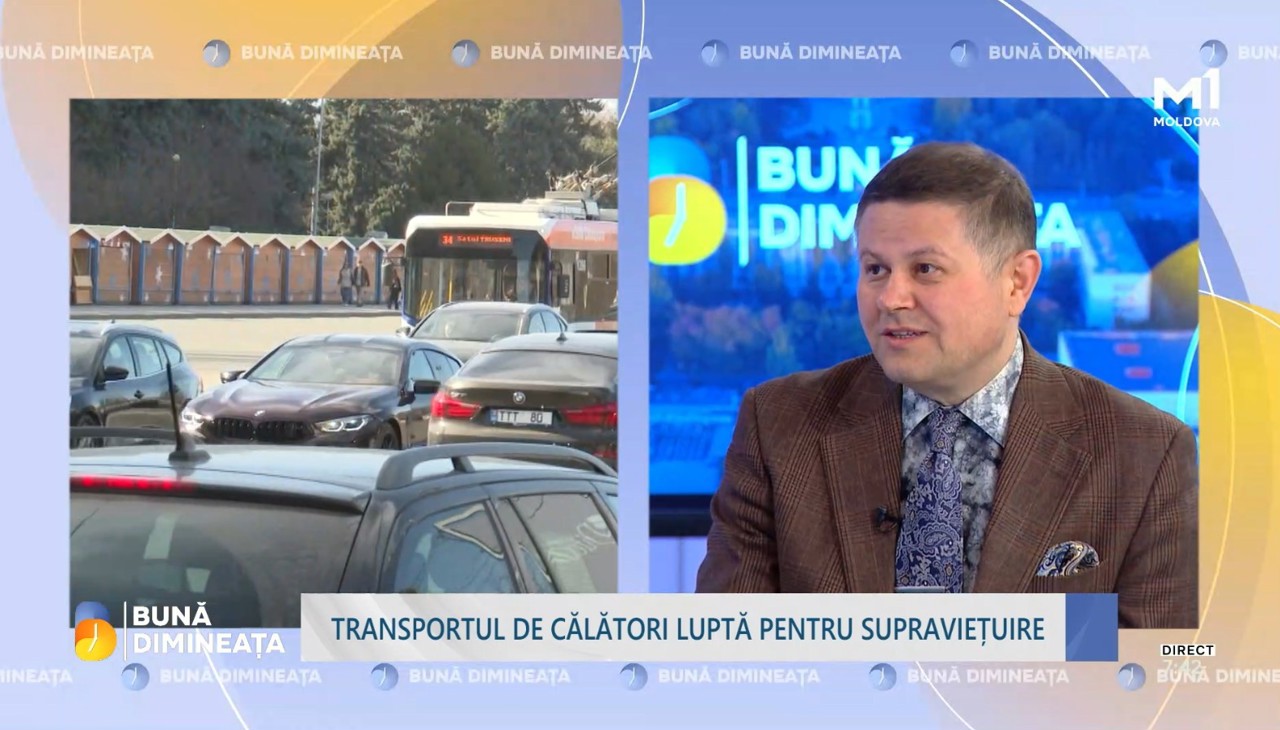
The Republic of Moldova’s passenger road transport sector is nearing a critical threshold due to surging fuel prices and deep-seated structural inefficiencies. Oleg Tofilat, Executive Director of the Union of Transporters and Road Workers, warns that without immediate systemic intervention, the industry faces total collapse within years.
Current operational costs for bus travel in Moldova have paradoxically surpassed aviation benchmarks when measured per passenger-kilometer. Tofilat highlighted that this anomaly stems from an aging fleet and a chronic lack of coherent development policies. "The quality of our fleet remains subpar compared to any regulated market," Tofilat stated during a national broadcast on May 6.
Strategic policy deficit
The Union attributes the sector's decline to restrictive regulations and excessive administrative interference rather than intentional mismanagement. A comprehensive national mobility strategy is now being proposed to address these failures. This framework aims to integrate fiscal reforms with technical innovations, including digitalization and intermodal transport solutions.
While the rise in private vehicle ownership signals increasing economic prosperity, Tofilat emphasized that modern urbanism must prioritize green public transit. Balancing personal vehicle utility with efficient public infrastructure remains a primary challenge for Moldovan regulators seeking to reduce urban congestion.
Price adjustments and tariffs
Recent regulatory updates by the National Agency for Auto Transport (ANTA) have already impacted consumer costs. As of April 10, inter-district travel rates were capped at 1.09 MDL (€0.06) per kilometer for high-comfort vehicles. Intra-district fares reach up to 1.24 MDL (€0.06) per kilometer.
Additionally, municipal transit in Chisinau saw a price hike on May 1. Public transport tickets in the capital now cost 7 MDL (approx. €0.36), reflecting the ongoing inflationary pressure on essential infrastructure.
Translation by Iurie Tataru