No hantavirus cases confirmed in Moldova; ANSP says public risk remains low
The National Agency for Public Health (ANSP) has announced that there have been no confirmed human cases of hantavirus infection in the Republic of Moldova to date. This announcement follows reports of cases on a cruise ship sailing in the Atlantic Ocean. Health authorities state that the risk to the general population in Europe is considered low, and human-to-human transmission of the virus is extremely rare.
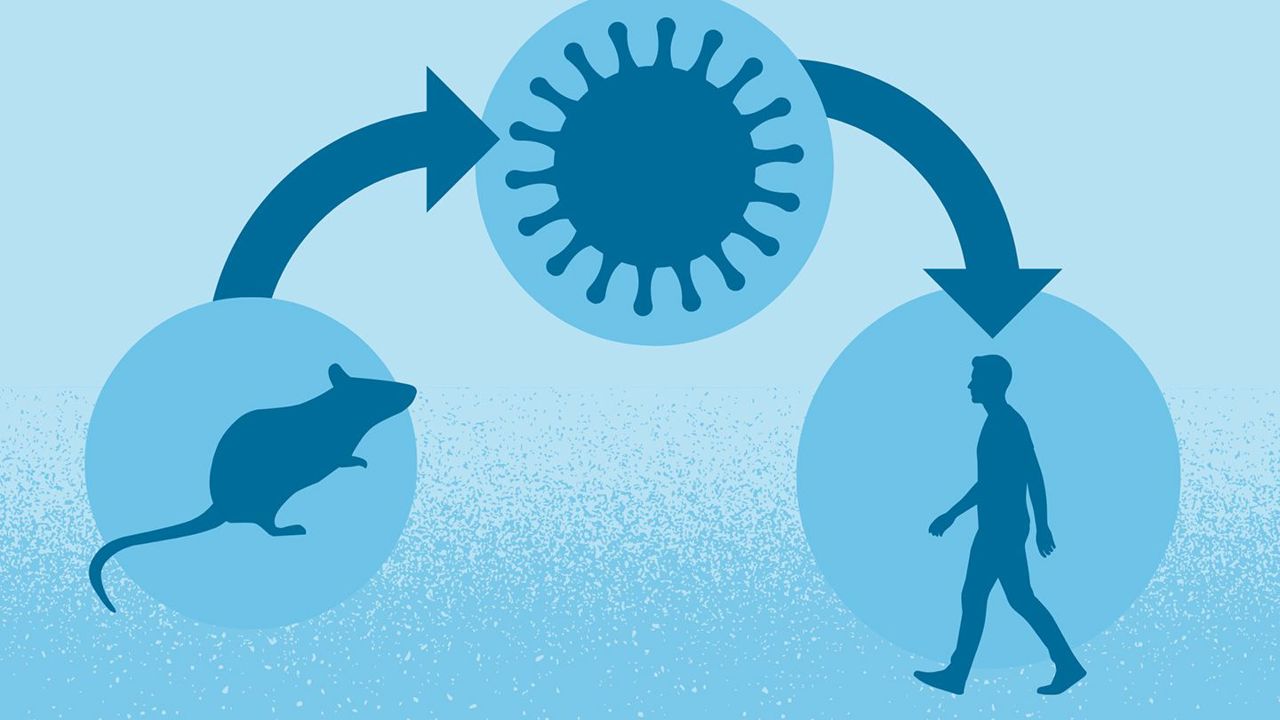
According to the ANSP, hantaviruses are naturally carried by certain rodent species and can be transmitted to humans through contact with infected rodents. Infection commonly occurs through inhaling contaminated particles from the urine, feces, or saliva of infected rodents. In rarer cases, transmission can happen through contact with contaminated secretions on mucous membranes or skin lesions, or via a rodent bite.
A suspected hantavirus infection is characterized by acute fever associated with kidney involvement and/or hemorrhagic manifestations, alongside a suggestive epidemiological context and laboratory confirmation.
Data from the World Health Organization indicate that the initial symptoms of the disease are nonspecific and may appear one to eight weeks after exposure. Symptoms can include fever, headache, muscle pain, nausea, vomiting, and abdominal pain. In some cases, the disease may lead to kidney involvement and hemorrhagic manifestations.
The ANSP states that the prevention and control measures implemented on board cruise ships are considered adequate. It also emphasizes that the hantavirus strains capable of human transmission typically do not circulate in Europe.
Furthermore, the institution announces that epidemiological surveillance of hantavirus infections is conducted within the national system for monitoring communicable diseases. Suspected cases can be investigated in laboratories using specific diagnostic methods.
To reduce the risk of infection, the ANSP recommends that the population maintain cleanliness in homes and storage spaces, avoid direct contact with rodents and their droppings, and store food securely. Authorities also advise against sweeping or vacuuming dry rodent droppings. Instead, contaminated surfaces should be moistened and disinfected before cleaning.
Individuals returning from regions where hantavirus cases have been reported, and who experience symptoms consistent with this infection, are urged to seek medical attention and inform healthcare personnel of their recent travel history and any exposure to rodents.