Moldova to enforce full fiscal control over Transnistria by 2030
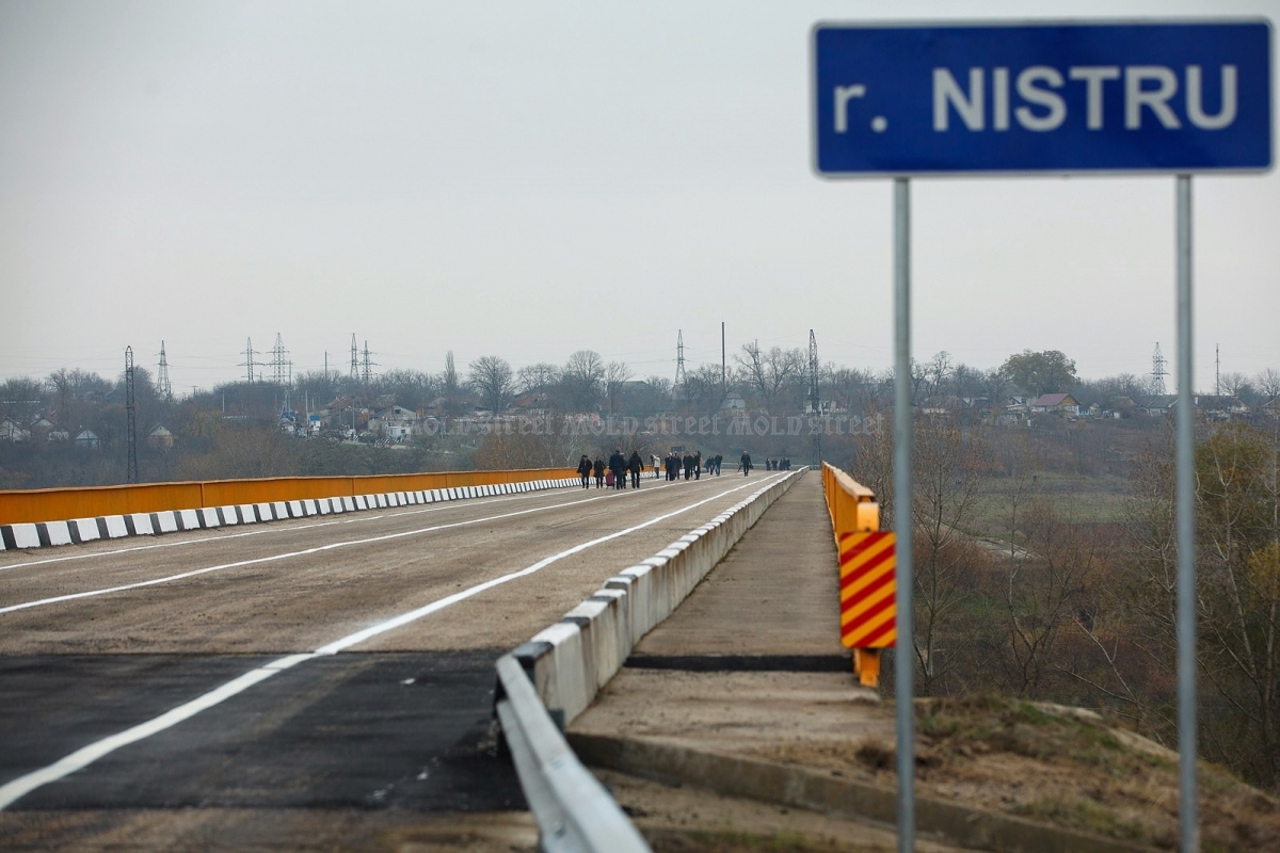
Following three decades of concessions and stalled political negotiations, Chisinau has changed its approach toward the breakaway Transnistria region.
Moldova has now committed to a strategy of gradual economic, fiscal, and customs integration.
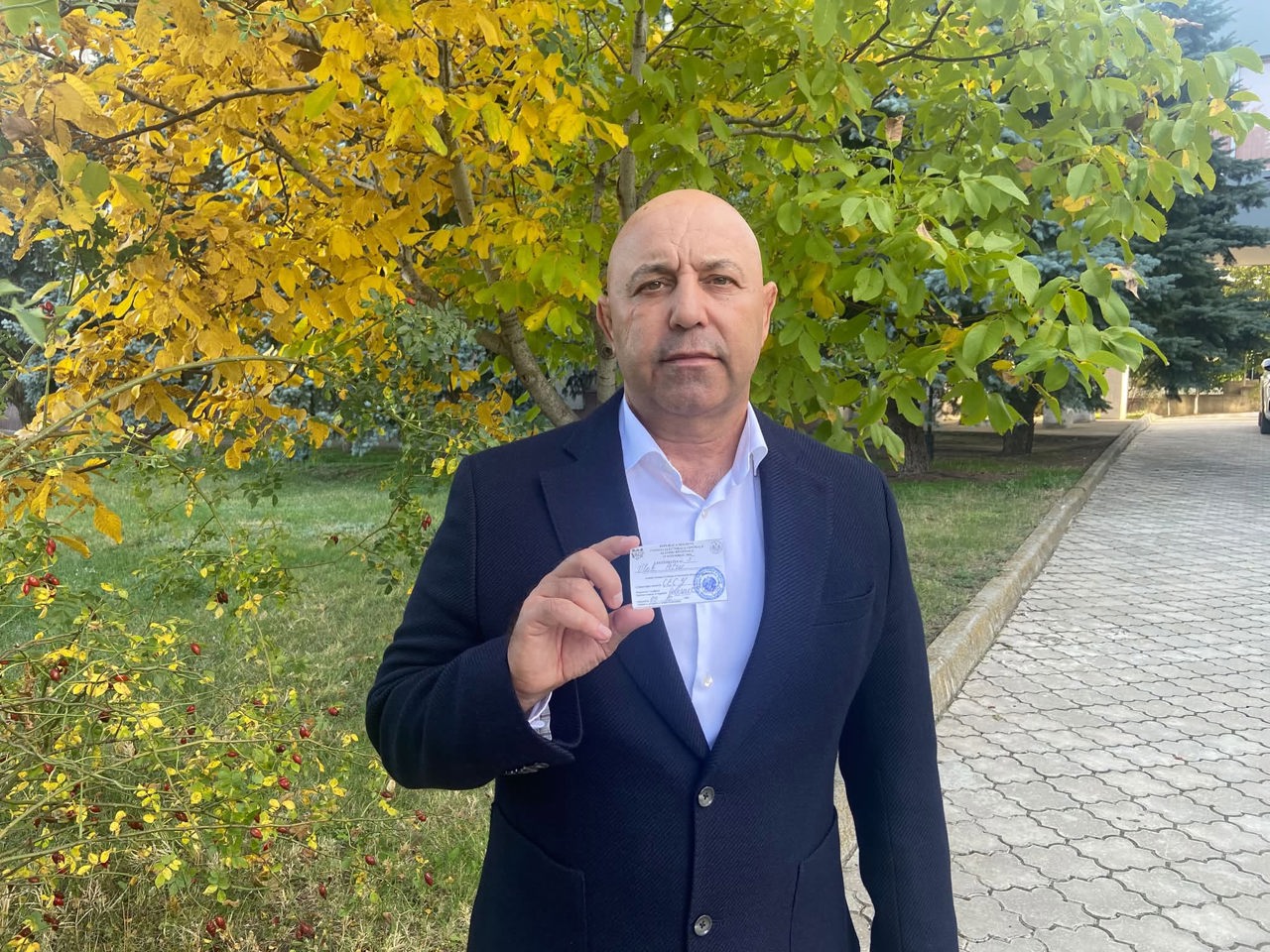
Deputy Prime Minister for Reintegration, Valeriu Chiveri, stated that this pivot responds directly to Tiraspol’s persistent refusal to engage in a comprehensive political settlement.
Strategic shift after decades of deadlock
For over 30 years, Moldova pursued a compromise-driven approach to conflict resolution. Chisinau consistently sought a political framework but never received a positive response from the separatist authorities.
While Chisinau attempted to negotiate, the Tiraspol administration focused instead on consolidating its own parallel state structures and operational mechanisms.
Consequently, Moldovan authorities decided to alter their path. The new strategy leverages economic and fiscal instruments to bring the breakaway region back into the national legal framework.
Implementation of fiscal integration mechanisms
The Tiraspol administration has expressed dissatisfaction with these unilateral measures. However, Chisinau maintains that these steps are necessary because dialogue has stalled.
A primary milestone in this integration plan is the launch of a Convergence Fund by August 1, 2026. This fund will partially focus on supporting vulnerable populations within the Transnistria region.
Following this, Moldova will introduce VAT and excise duties on natural gas and balancing electricity starting January 1, 2027.
Expanding national tax space
The government is also reviewing plans to introduce VAT and excise taxes on non-essential goods, such as alcohol, tobacco, and caviar, as early as this year.
The ultimate objective remains the step-by-step expansion of Moldova's fiscal space over the entire territory by January 1, 2030.
This legislative momentum follows recent action by the Moldovan Parliament, which passed amendments to phase out tax privileges previously enjoyed by Transnistrian businesses.
Translation by Iurie Tataru