EU parliament committee urges immediate Moldova accession talks
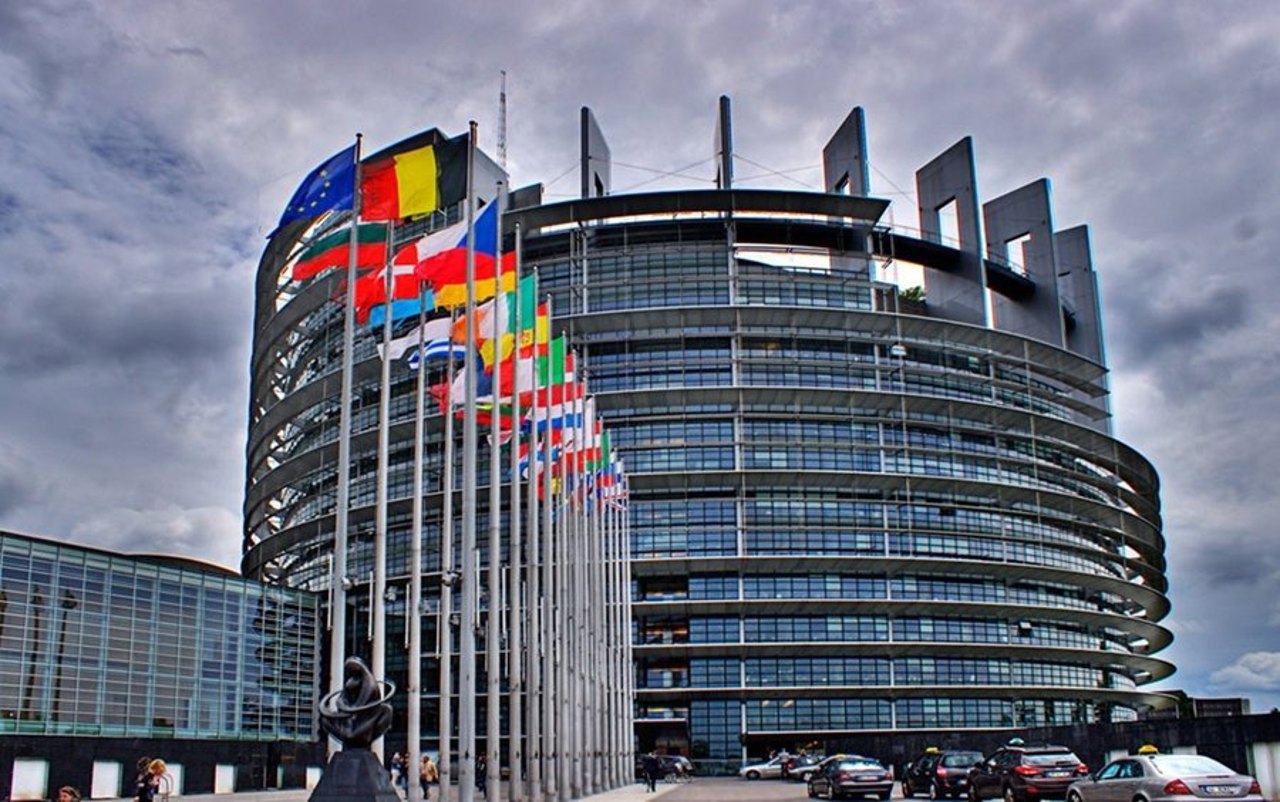
The European Parliament's Committee on Foreign Affairs adopted a crucial report on Wednesday, June 3, backing Moldova's steady progress on its EU path. Approved with 58 votes in favor, the document urges EU member states to open accession negotiation clusters "without further delay" ahead of the upcoming European summit on June 18-19.
The text, drafted by rapporteur Sven Mikser, evaluates Moldova's compliance with EU requirements while warning against foreign interference driven by Russia. The committee welcomed the completion of the bilateral screening process, noting that official talks would signal that the bloc rewards concrete achievements.
The rapporteur linked the pace of domestic reforms directly to Chisinau's strategic goal of concluding accession negotiations by 2028.
"We congratulate the Republic of Moldova for the solid progress made on the path of reforms, despite the difficult circumstances. […] Now is the time to reward the concrete achievements of the country. I call on member states to act quickly to open official negotiations," stated Sven Mikser, an S&D MEP from Estonia and standing rapporteur for Moldova.
Judicial reforms praised, implementation remains critical
The report echoes the European Commission's assessment that Moldova has achieved significant progress in judicial reform. However, it reminds authorities in Chisinau to strictly follow the Venice Commission's recommendations regarding the external vetting of judges and prosecutors. MEPs stressed that this process remains vital to eliminating corruption and rebuilding public trust in the judiciary.
Lawmakers also highlighted advancements in anti-corruption efforts but insisted that these measures must be applied transparently and without political bias. Curbing the influence of oligarchic structures remains a top priority for the country's integration process.
Countering persistent Russian interference
MEPs issued a stark warning regarding continuous Russian pressure and interference aimed at disrupting Moldova's democratic processes and dividing society over its European alignment. The committee noted that countering this malign influence requires constant monitoring and a comprehensive, society-wide approach.
Consequently, the report calls on the EU and its member states to boost support for Moldova's institutional resilience, cybersecurity, strategic communication, and independent media. Lawmakers highlighted targeted sanctions as a key tool in this effort.
Ukraine faces wartime reforms and external peace pressures
In a separate report adopted the same day with 54 votes in favor, the committee praised Ukraine's wartime reform efforts. MEPs reaffirmed the geopolitical principle that nothing should be decided about Ukraine without Ukraine, and nothing about Europe without Europe. They called for the potential designation of a high-level EU envoy to assist in future diplomatic negotiations.
The text explicitly condemns the United States' stance conditioning security guarantees on Ukraine's withdrawal from the Donbas region. Furthermore, European lawmakers rejected pressure from the US administration to hold national elections while Russia's war of aggression is actively ongoing.
MEPs reiterated that Russia must pay for the destruction it has caused. The committee expressed regret that the European Commission and the Council have not yet agreed on utilizing cash balances from frozen Russian sovereign assets, urging immediate resolution of the remaining technical and legal hurdles.
Both reports will now head to a plenary vote in the European Parliament. However, the final executive decisions lie with the Council of the EU. The General Affairs Council on June 16 and the European Summit on June 18-19 will ultimately determine if geopolitical unblocking translates into opening the first negotiation clusters for Moldova and Ukraine.
Translation by Iurie Tataru