Moldova raises rate to 7% as fiscal reforms protect consumers
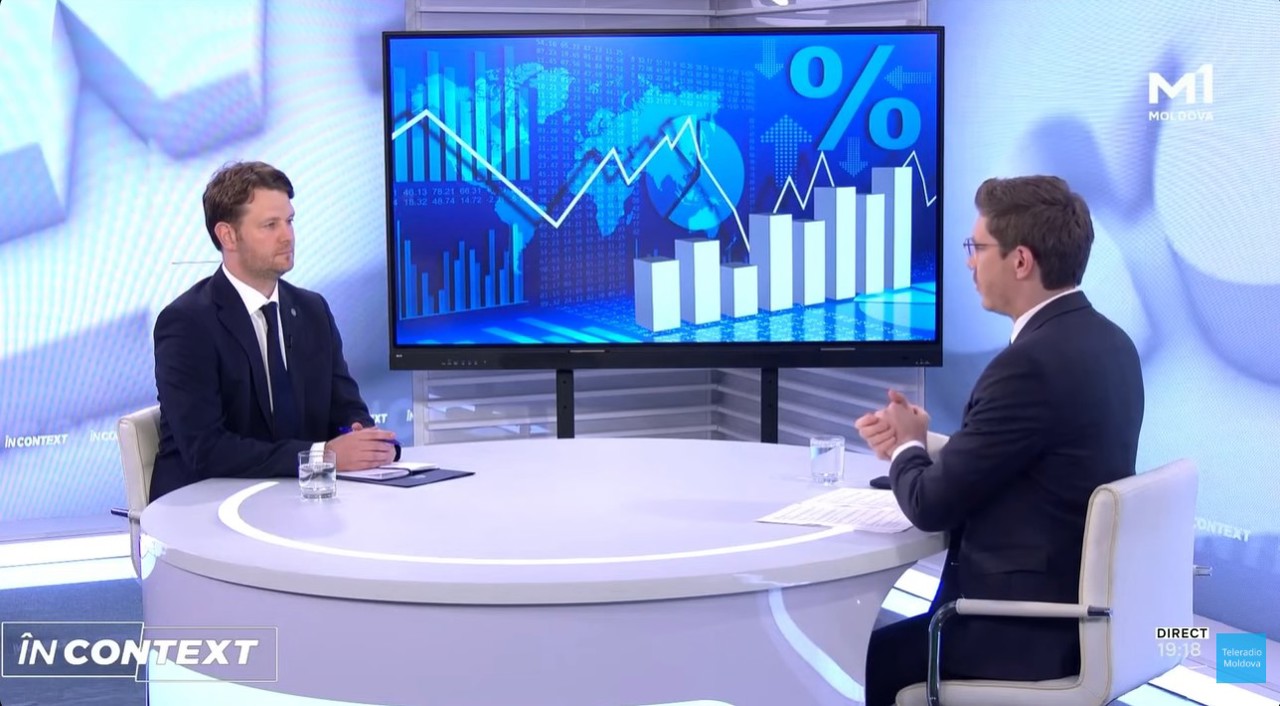
The National Bank of Moldova (NBM) adjusted its monetary policy rate upward to 7% from 6.5%, responding to mounting inflationary pressures. The 50-basis-point increase reflects heightened caution as global energy and commodity prices continue to destabilize domestic markets.
Minister of Finance Andrian Gavriliță stated that while the central bank’s decision signals prudence, the government will deploy fiscal mechanisms to shield citizens. According to Gavriliță, public policy must focus on safeguarding real purchasing power rather than reacting solely to nominal price fluctuations.
Fiscal consolidation and social safeguards
The Ministry of Finance is currently finalizing a comprehensive tax reform package aimed at streamlining exemptions and reducing tax evasion. Authorities emphasized that these structural adjustments will not compromise household income or living standards.
The government plans to introduce Value Added Tax (VAT) on energy resources, but guarantees that the transition will avoid the winter heating season. A targeted subsidy framework will fully offset the financial impact for at least 80% of the population.
“The introduction of energy VAT creates a vital fiscal tool to generate revenue, which we will redistribute to vulnerable families,” Gavriliță explained. He noted that economic prosperity in developed nations is driven by robust income growth rather than artificial price controls.
Monetary tightening sparks debate
The central bank opted to keep mandatory reserve requirements for commercial banks unchanged, aiming to selectively curb consumer credit expansion. NBM data indicates that rising domestic consumption, fueled by wage growth, has also accelerated underlying inflation.
However, independent economic expert Viorel Gîrbu critiqued the monetary tightening, labeling the central bank's decision a policy error. Gîrbu warned that aggressive rate hikes fail to address exogenously driven inflation and will instead suppress domestic growth and burden local enterprises.
Despite geopolitical tensions and global market volatility, the Ministry of Finance maintains that structural fiscal reforms can no longer be deferred. The new fiscal policy draft is currently undergoing public and stakeholder consultations in Chișinău.
Translation by Iurie Tataru