Ukraine drone strikes reshape US war strategy, Fried says
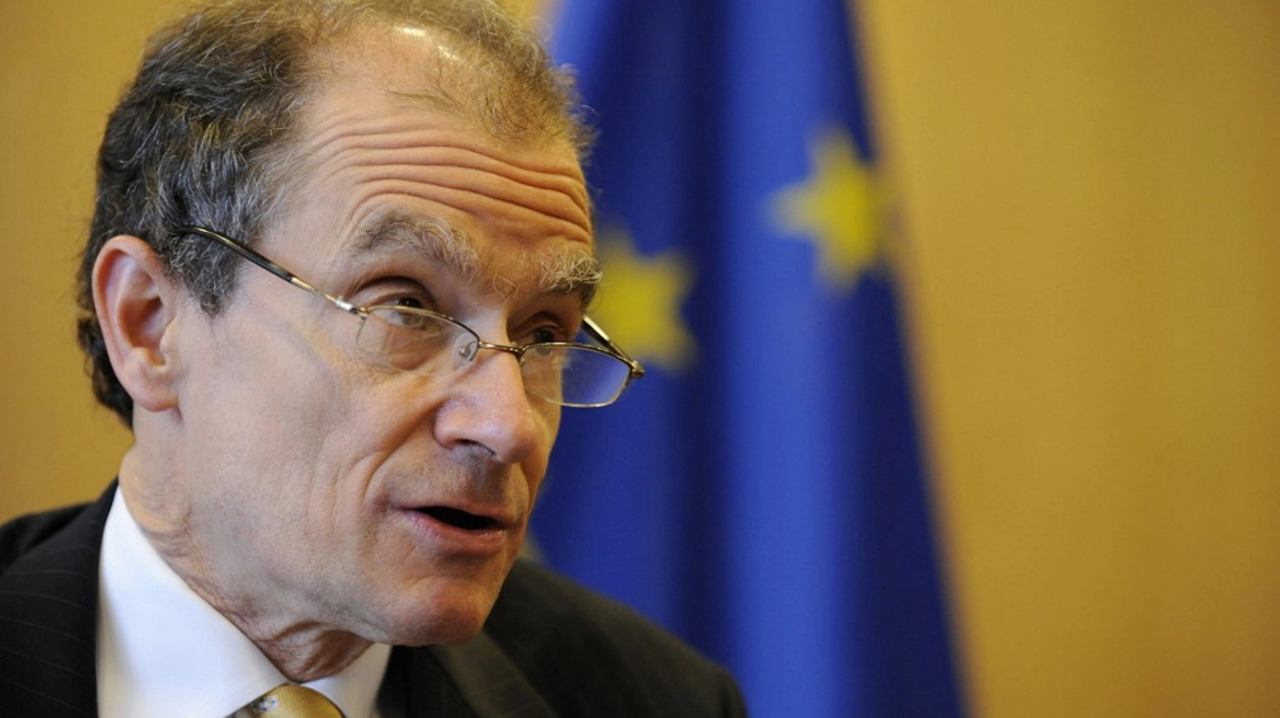
Long-range Ukrainian drone strikes inside Russian territory are fundamentally altering how Washington evaluates the conflict, according to veteran US diplomat Daniel Fried.
Speaking to the Kyiv Post, the former Assistant Secretary of State for European and Eurasian affairs stated that Russia is beginning to lose, granting Kyiv significant strategic leverage and forcing Washington to re-examine its core assumptions.
The collapse of Washington’s early narratives
This shift marks a major reversal of the consensus that dominated the American capital at the onset of the invasion.
In 2022, the prevailing view within the Biden administration and the intelligence community was that Ukraine would fight bravely but fall rapidly. When Kyiv repelled the initial assault, the narrative shifted to a pessimistic outlook, suggesting Ukraine would merely suffer a slow, protracted defeat.
Today, those outdated assumptions are being replaced by a starkly different assessment.
The consensus is pivoting toward a recognition of Ukraine’s enduring capacity to resist and Russia’s systemic failure in its war of aggression. This view, once considered marginal, is rapidly becoming mainstream.
Shift in the political landscape
This evolving perception carries significant weight for the Trump administration.
Fried recalled that Donald Trump previously informed Ukrainian President Volodymyr Zelenskyy that Ukraine lacked viable negotiating leverage. However, recent developments demonstrate that Kyiv holds numerous strategic assets.
The shifting dynamic alters internal calculations in Washington, where pragmatic factions are gaining ground.
Officials who recognize the geopolitical stakes and support robust aid for Ukraine are increasingly countering those who previously dismissed the country as a lost cause.
International solidarity and the West German model
This strategic recalibration was evident at the recent G7 summit, where leaders pledged continuous support for Ukraine’s air defense and long-range capabilities.
Fried praised European allies for their remarkable consistency, noting that supporting Ukraine directly aligns with broader Western security interests.
Addressing the prospects of peace negotiations, Fried emphasized that Vladimir Putin’s maximalist demands remain the primary obstacle.
However, he noted that Moscow historically shifts from total refusal to pragmatic negotiation when confronted with unmanageable costs and unwavering Western resolve.
As a potential framework for future stability, Fried pointed to the historical precedent of West Germany after World War II.
While the West never recognized Soviet legitimacy over occupied territories, it pursued long-term diplomatic reunification while rapidly building West Germany into an economic powerhouse.
A democratic, economically thriving Ukraine integrated into Europe would ultimately deliver a decisive strategic defeat to the Kremlin's repressive model.
Translation by Iurie Tataru