UN FAO report: Global hunger drops to 645m as Africa faces crisis
Global hunger levels eased slightly in 2025, but ongoing armed conflicts and climate disruptions threaten to erase recent gains, according to the latest annual report from the UN Food and Agriculture Organization (FAO).
Around 645 million people—equivalent to 7.8% of the world’s population—suffered from chronic undernourishment in 2025. While this marks an improvement from the post-pandemic peak of 688 million in 2022, overall numbers remain higher than pre-COVID-19 figures.
Africa becomes the hardest-hit region
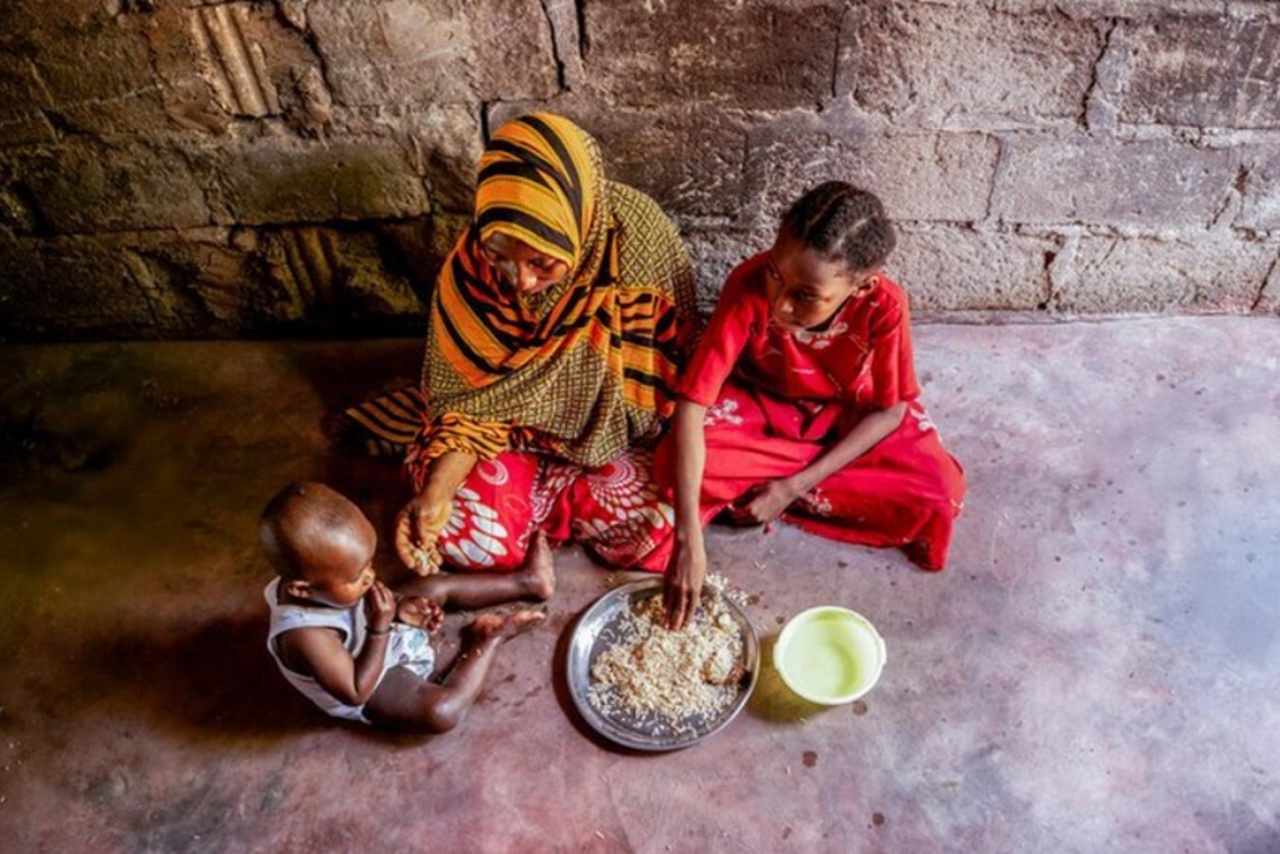
The FAO highlights a major geographic shift, with hunger’s center of gravity moving decisively from Asia toward Africa. One in five residents on the African continent currently experiences chronic calorie deficits.
Estimates indicate that more than half of all people affected by undernourishment in 2030 will reside in Africa. UN officials cite escalating conflicts in Sudan, the Sahel, and the Democratic Republic of Congo as primary drivers restricting agricultural access and livelihood opportunities.
Long-term development goals in jeopardy
At the current pace, between 510 million and 520 million people will remain undernourished by 2030. This trajectory leaves the UN Sustainable Development Goal of eradicating global hunger by the end of the decade largely out of reach.
Beyond calorie deficits, moderate or severe food insecurity affects 2.1 billion people globally—roughly 25.8% of the world population. In addition, nearly 2.69 billion individuals cannot afford a healthy diet following a 25% cost increase over the past five years.
Malnutrition and shifting global risks
Malnutrition continues to impact children heavily, with stunting affecting roughly 150 million children under age five in 2024, down from 180 million in 2012. Conversely, adult obesity rates rose globally to reach 16.2% in 2024.
The FAO warns that geopolitical tensions in the Middle East could drive up energy and fertilizer prices, worsening conditions for vulnerable nations. Extreme weather events linked to El Niño also continue to disrupt crop yields across India, South America, and Africa.
Translation by Iurie Tataru