New accessibility standards adopted for digital products, banking and transport
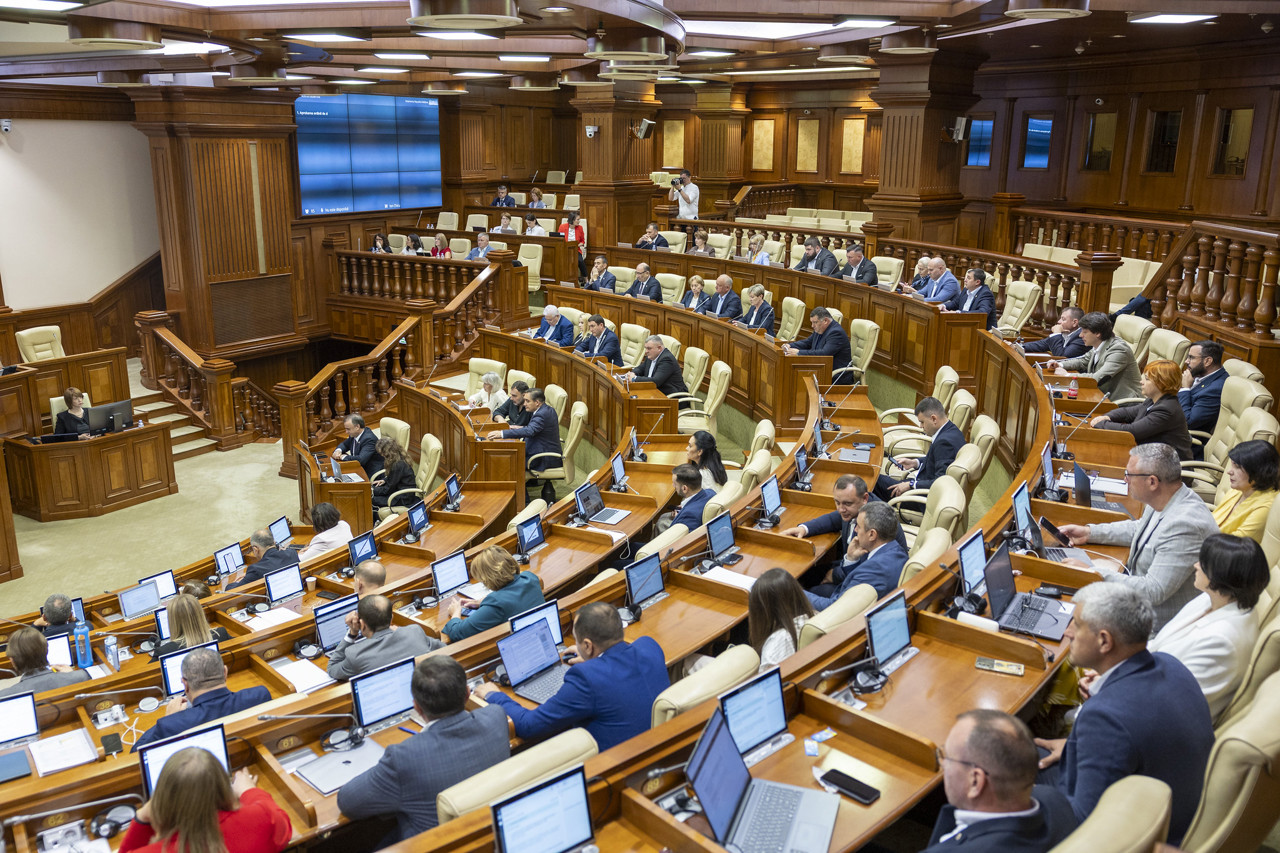
Products sold and services provided in the Republic of Moldova will have to comply, starting with January 1, 2028, with the same accessibility requirements applied in the European space. The provisions are part of a draft law voted by the Parliament in the first reading. The sanctioning mechanism for non-compliance with these requirements will be applied after the accession of the Republic of Moldova to the European Union.
Presenting the initiative at the Legislative session on July 24, the State Secretary of the Ministry of Labor and Social Protection, Anastasia Oceretnii, noted that, by promoting it, the Government aims to bring the Republic of Moldova closer to European standards, as well as to strengthen the right of every citizen to benefit, under equal conditions, from essential products and services.
The new rules will apply to companies that design and develop websites, mobile applications, self-service terminals, time and information management terminals, interactive consumer terminals and other digital products, which must be accessible to all users, including people with disabilities.
The regulations also target financial institutions that offer online services, such as internet banking and mobile banking applications, companies that provide transport services, including airlines, bus operators and online travel agencies. They will have to ensure the accessibility of digital platforms and self-service terminals for people with disabilities.
Public institutions and government entities will also have to comply with accessibility requirements, especially with regard to websites, online services intended for the public and emergency communications, including the national single emergency call service 112.
“Accessibility is not intended exclusively for a category of people. Accessible products and services are easier to use by all consumers and contribute to the development of a modern, competitive and citizen-oriented economy. Thus, the draft law establishes uniform accessibility requirements for the main products and services used in everyday life,” the Secretary of State emphasized.
Service provision contracts concluded before January 1, 2028 will remain valid without changes until their expiration, but no more than five years from the date of accession of the Republic of Moldova to the European Union. At the same time, ATMs and payment terminals already installed will be able to be used for a maximum of 20 years from their commissioning.
According to the project's explanatory memorandum, the main beneficiaries of the new provisions will be people with reduced mobility, including people with disabilities, the elderly, as well as people with temporary or permanent functional limitations, who encounter difficulties in using products and services intended for consumers.
In the context of the debates on the project, Anastasia Oceretnii announced that the Ministry of Labor and Social Protection has finalized the Program for the Social Inclusion of People with Disabilities.
"We are convinced that in August this program will be approved by the Government of the Republic of Moldova and will represent the main policy document in the field of the inclusion of people with disabilities", the State Secretary said.
The document includes actions dedicated to ensuring the implementation of the European Accessibility Directive, as well as measures to strengthen the process of making public space and public buildings accessible.
Anastasia Oceretnii noted that the Republic of Moldova is still facing problems related to the accessibility of infrastructure, and in the coming period the Ministry of Labor and Social Protection will collaborate with other ministries and institutions to improve the situation.
At the same time, the representative of the ministry stated that the institution is open to discussions within the parliamentary committees, together with other responsible parties, to identify the best solutions so that the social environment becomes accessible to all persons with disabilities.