Iron Age bread exhibition travels from Romania to Chișinău
The smell of warm bread stirs memories across generations. For millennia, though, before it reached the table, bread was the product of simple, unbroken gestures passed down through time.
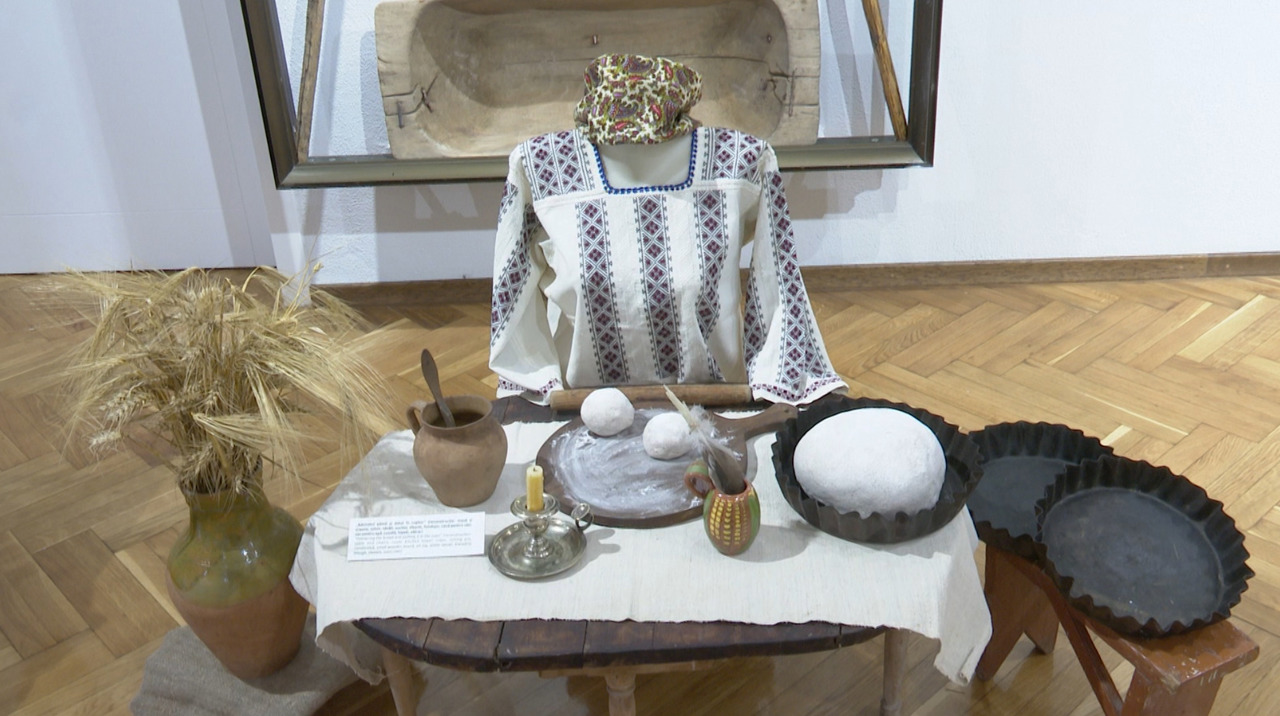
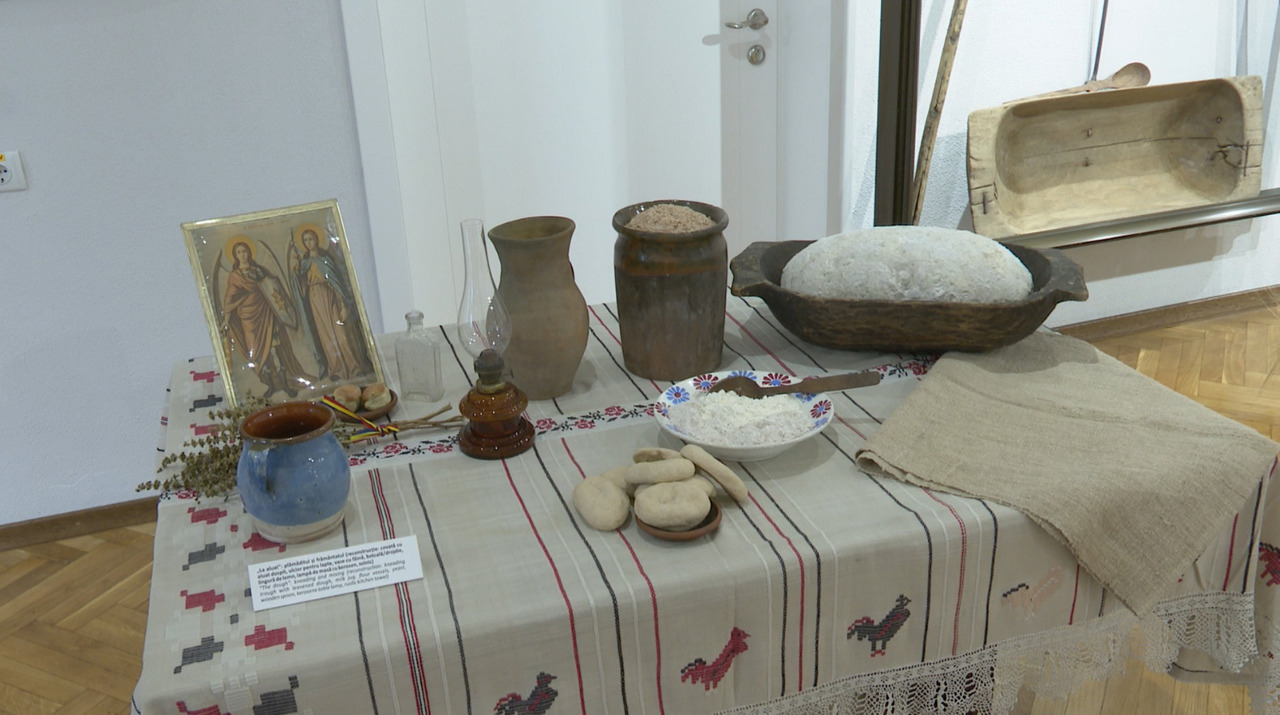
That story is now on display in Chișinău, at the National Museum of History of Moldova, in an exhibition titled "The Smell of Warm Bread: Bread in the Iron Age." The project originated at the Zalău County Museum in Romania and has now crossed the border into Moldova, expanded with artefacts from the Moldovan museum's own collection.
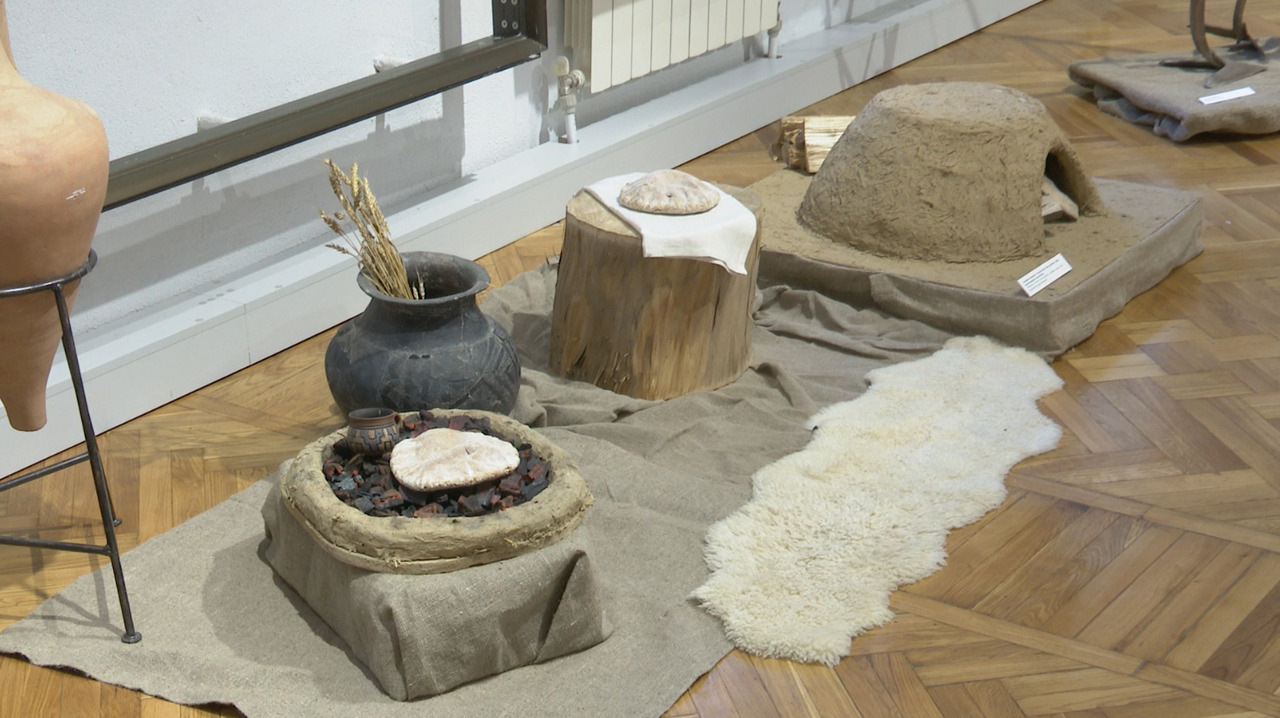
The show traces daily life in ancient communities, from the tools once used to till soil and harvest grain to customs still kept alive in rural households today. It brings together archaeological and ethnographic heritage side by side.
"It shows us how bread used to be made. We still have it on the table today, but back then everything was done by hand," one visitor said.
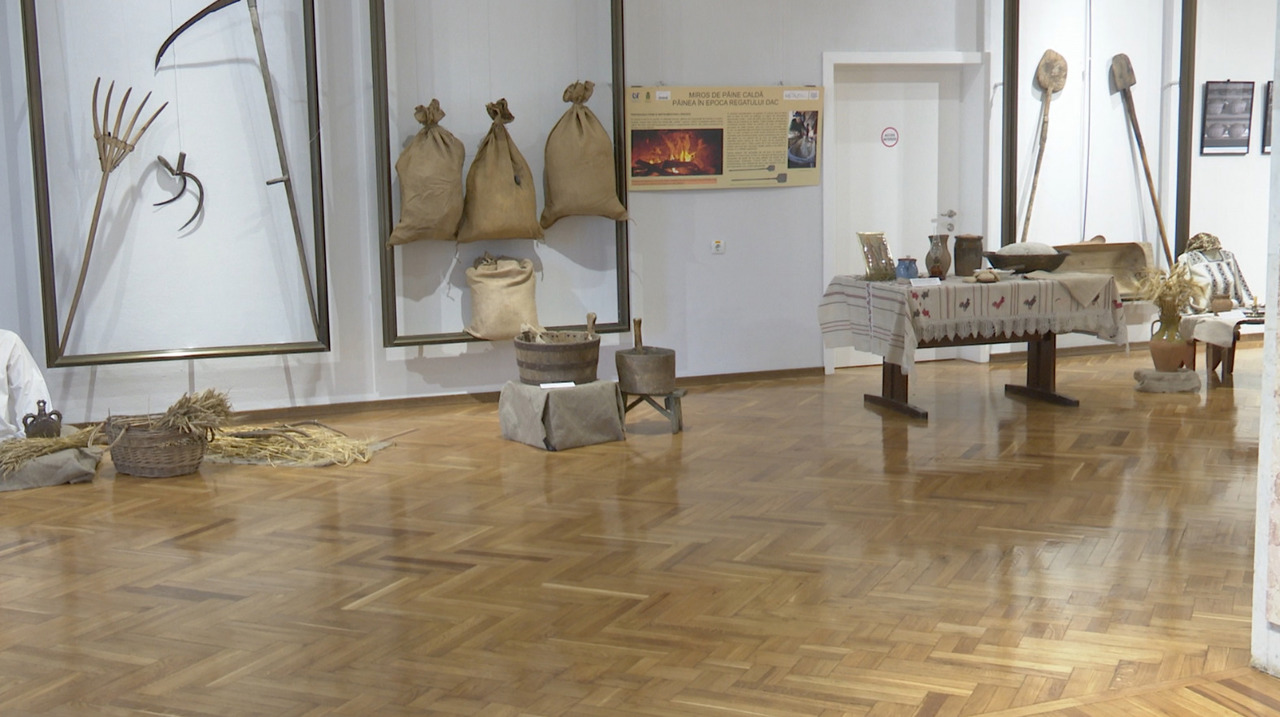
"It's very interesting — I think we shouldn't forget our ancestors, our traditions, how bread was made. We're showing it to them," said another.
The Chișinău exhibition is an expanded version of a project first staged in Romania.
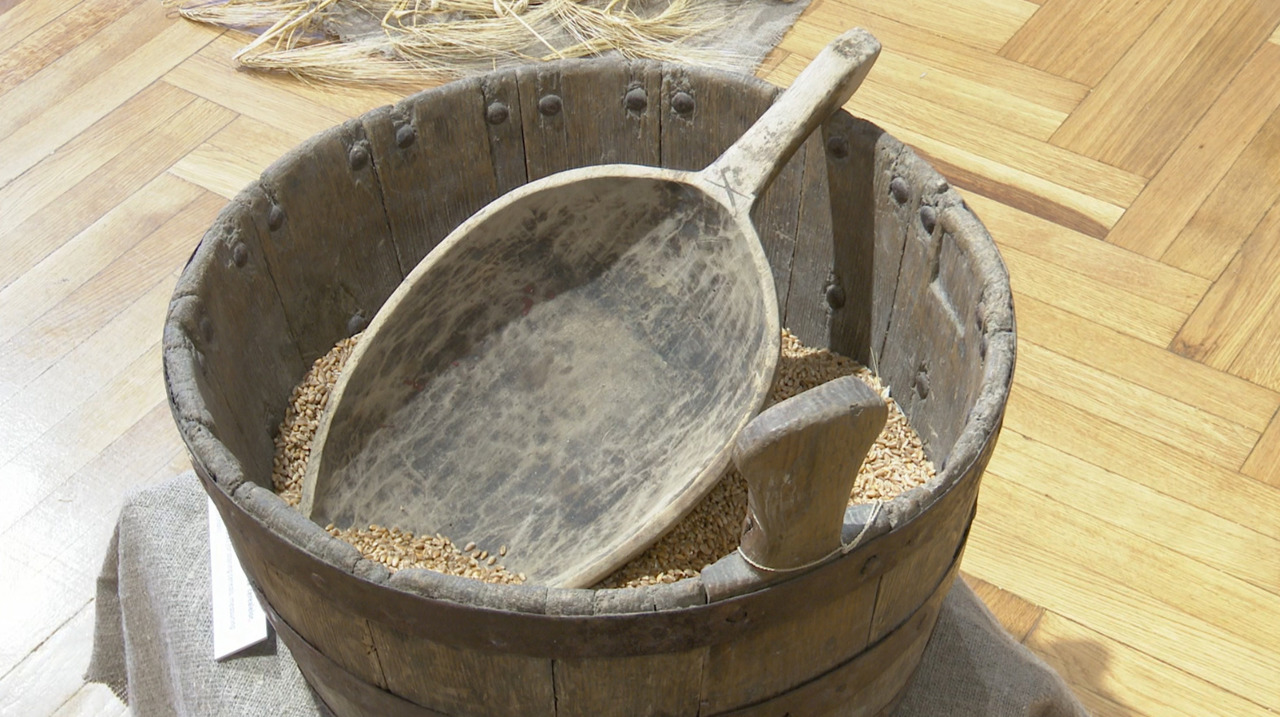
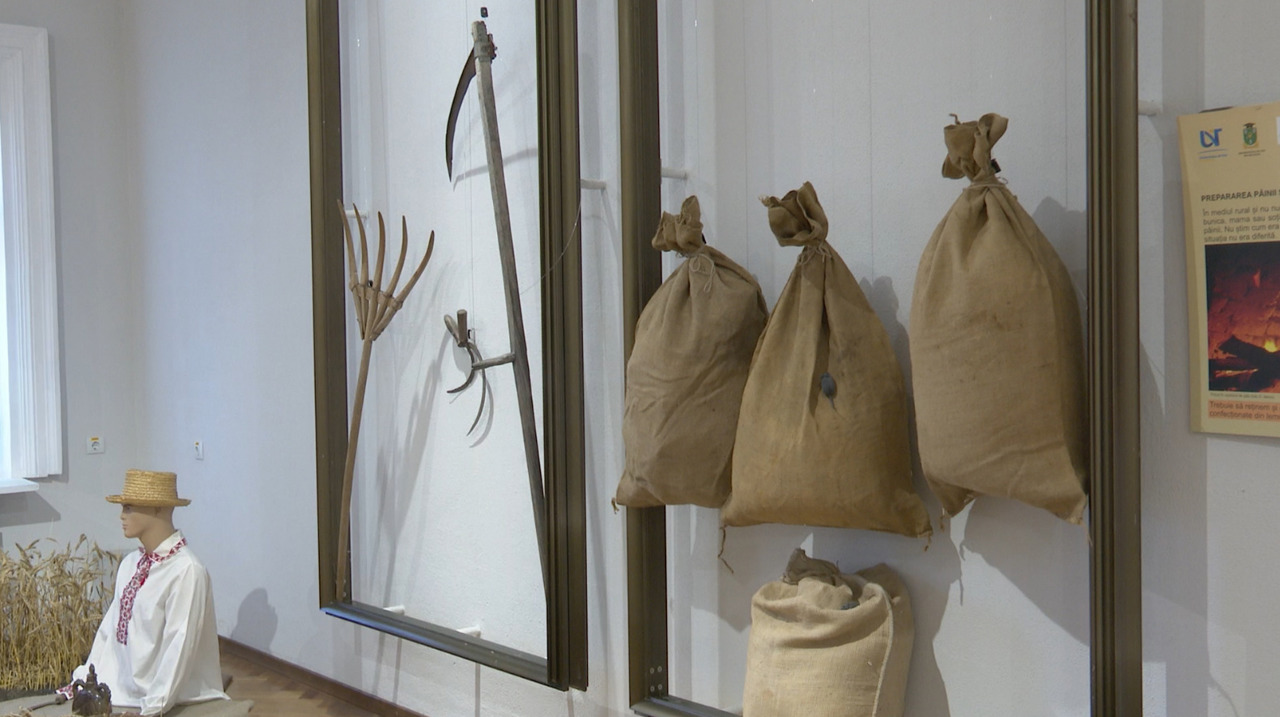
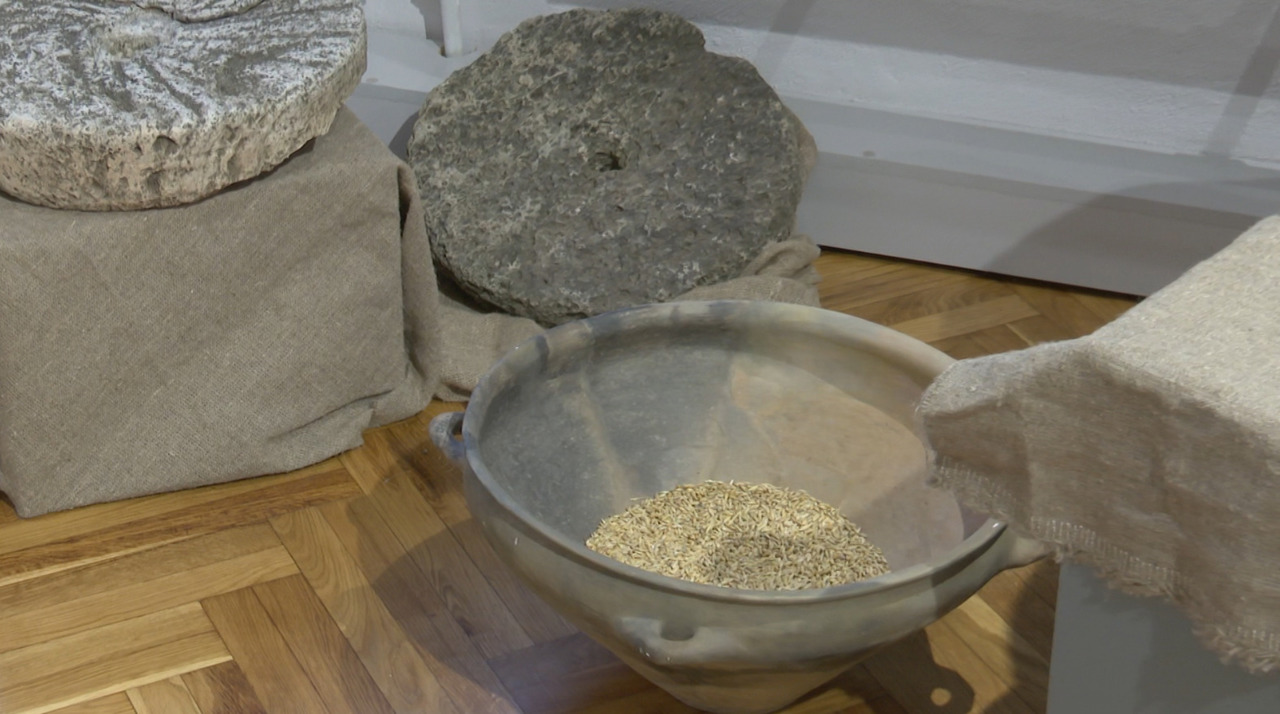
"We're the tenth museum to host this show. Here it's called 'The Smell of Warm Bread: Bread in the Early Iron Age,' and as you can see, we open with the oldest tools for tilling soil and harvesting, baking vessels, and an original grinding stone," said Livia Ermurache, deputy director of the National Museum of History of Moldova.
Museum staff also reconstructed several stages of the breadmaking process.
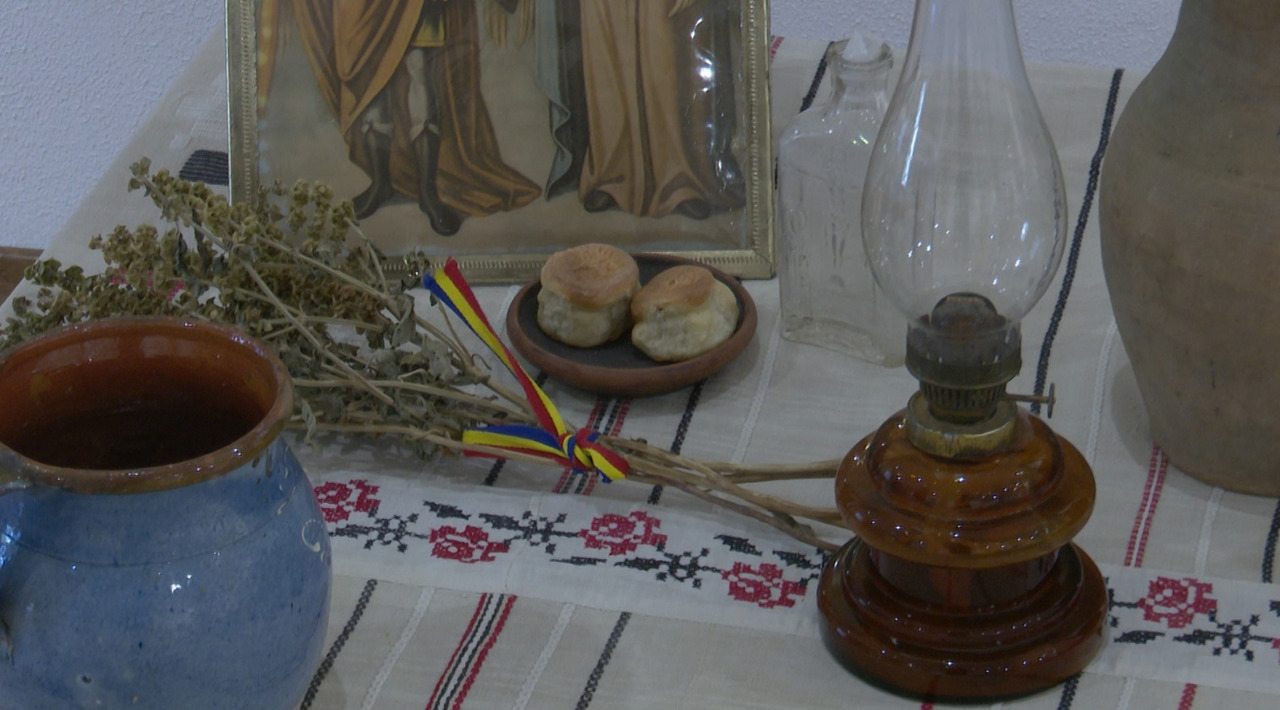
"Beyond the objects my colleagues and I arranged in the display cases, I got to model a miniature clay oven myself. It's an excellent exhibition. It shows how important bread has been across the Carpathian–Danube–Black Sea region since the Iron Age — the moment it stopped being just food and became sacrament: the Host, the holy water," said researcher Mariana Sîrbu.
The exhibition runs at the National Museum of History of Moldova through September 4.
Translation by Iurie Tataru