Moldova gas prices rise as Russian supply options fade
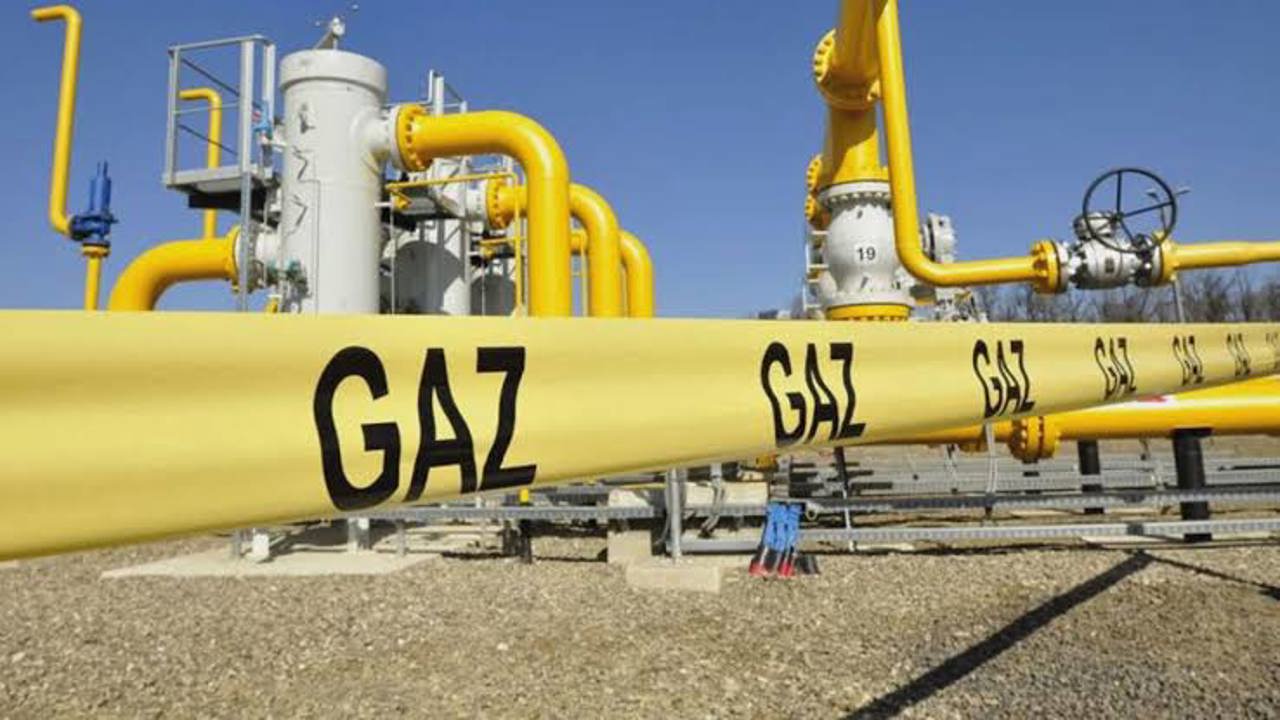
Rising natural gas tariffs have reopened debates over Moldova's energy import strategy. While some political figures advocate resuming purchases from Russia, energy analysts warn that this option is no longer viable due to European Union sanctions and severed transit routes.
Financial analyst Vlad Grati rejected claims that Moldova still buys Russian gas through intermediaries. He noted that major pipeline infrastructure connecting Russia to Europe has effectively ceased operation.
Transit routes remain blocked
"The Yamal-Europe pipeline remains inactive after Gazprom unilaterally stopped pumping through Poland in 2022," Grati explained. "Deliveries through Nord Stream had stopped even before the explosions, and transit through Ukraine was halted last year."
Currently, only TurkStream and Blue Stream remain operational. However, most gas flowing through TurkStream is consumed within Turkey, leaving negligible volumes for the Balkan region.
WatchDog.MD expert Sergiu Tofilat emphasized that the European Union is systematically phasing out Russian fossil fuels. Consequently, procurement options will narrow even further over the coming years.
Legal restrictions and new purchasing strategies
EU sanctions will ban new Russian liquefied natural gas (LNG) contracts starting next January. A complete ban on pipeline gas imports will take effect by September 2027.
To minimize price volatility, experts recommend altering Moldova's procurement model. Rather than making large seasonal purchases, analysts suggest buying fixed volumes weekly throughout the year to build reserves gradually between April and October.
Tofilat noted that adopting a structured monthly purchasing schedule would prevent a recurrence of the market shocks experienced in 2024. He advised contracting 50% to 60% of winter supply in advance under state supervision.
Upcoming consumer tariff increases
Household energy bills in Moldova are expected to rise shortly due to elevated import costs. Prime Minister Vasile Tofan previously stated that international procurement prices have outpaced the baseline used in current consumer tariffs, with raw gas accounting for roughly 60% of the final end-user cost.
The National Energy Regulatory Agency (ANRE) has proposed a retail tariff of 20.3 MDL per cubic meter, while state supplier Energocom requested 20.93 MDL per cubic meter.
The proposed adjustments could increase household gas prices by nearly 6 MDL per cubic meter. Energocom cited high purchase costs and accumulated losses exceeding €5.4 million (approx. 106 million MDL) as the primary drivers for the rate hike.
Translation by Iurie Tataru