Alignment with EU standards and access to funds are crucial for organic farming in Moldova
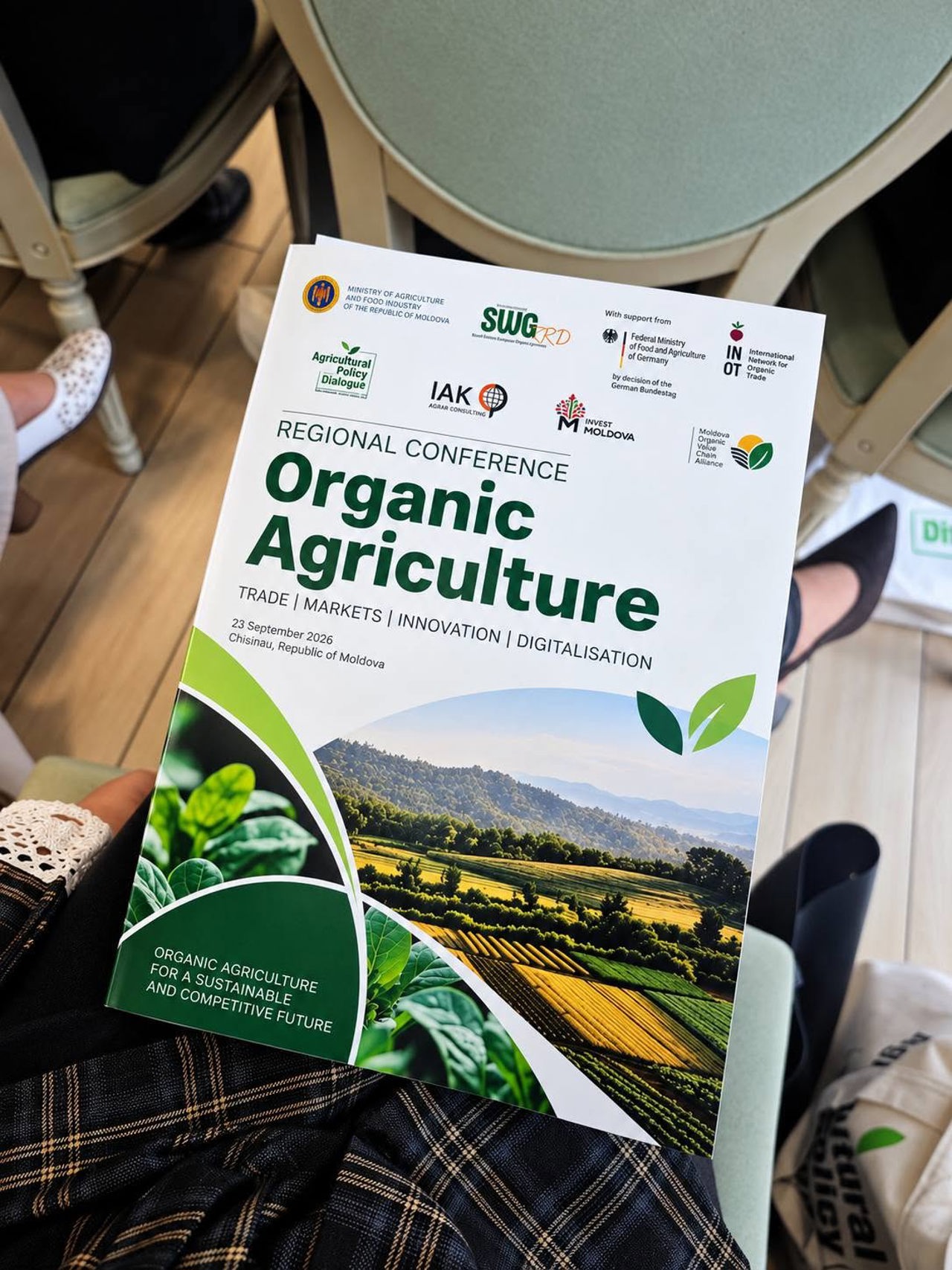
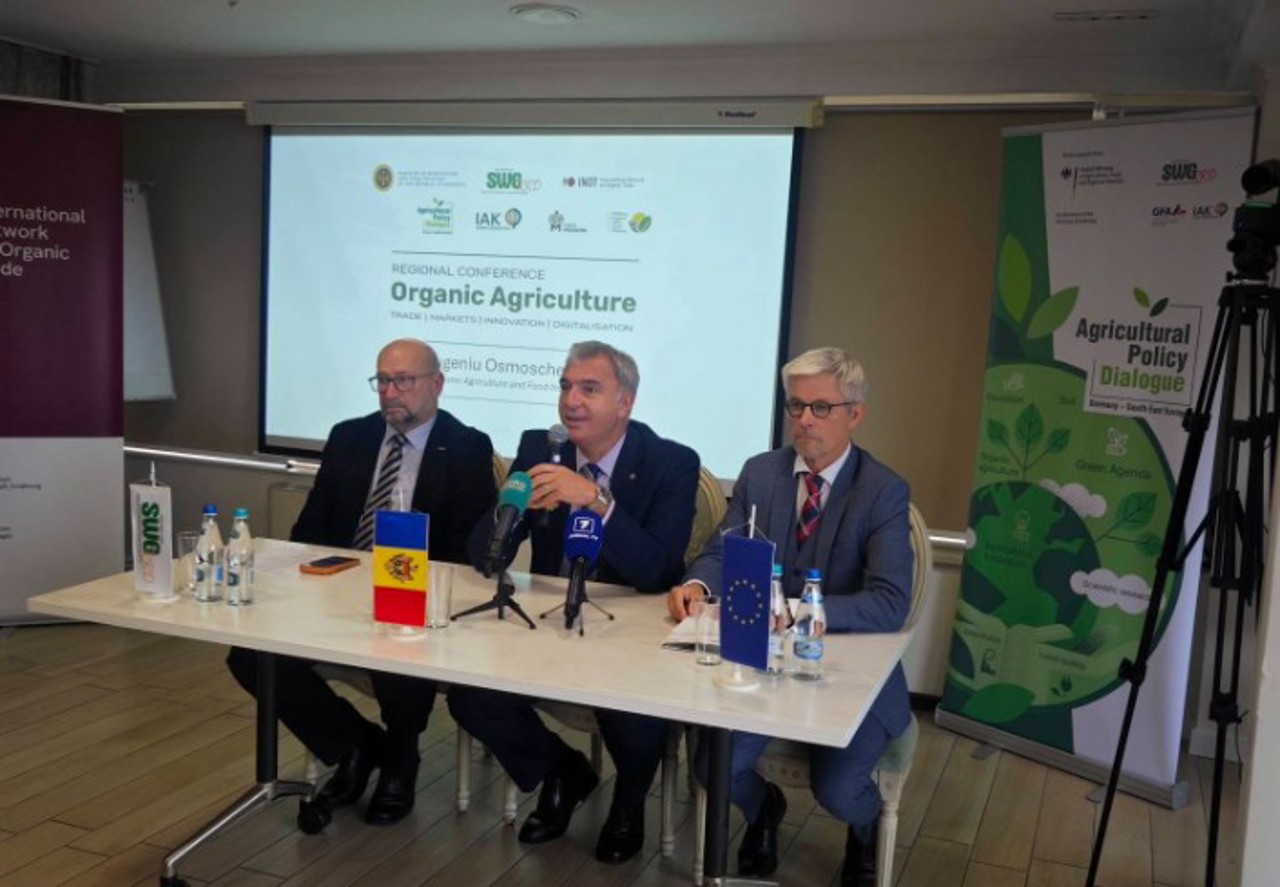
Organic farming is one of the engines of national economic growth, yet its full potential can only be realized through rapid alignment with European Union standards. Aligning with the EU acquis is also essential to unlock access to European funds for local farmers, stated Eugeniu Osmochescu, Minister of Agriculture and Food Industry, at the Regional Conference on Organic Agriculture in Southeast Europe, held on September 23 in Chișinău.
Agriculture ranks among the "top three engines of growth" in the Republic of Moldova, stated Osmochescu at an event bringing together participants from around 20 countries—including representatives from relevant ministries, organic producers and exporters, professional associations, importers and traders, international organizations, and development partners from Moldova, the Western Balkans, Ukraine, Germany, and other European states.
"Our country's growth is driven by the development of the food industry. Several studies on productivity across all sectors have been conducted, yet agriculture remains one of the top three engines of growth in our country. Regarding organic agriculture: it is something we promote and must continue to promote, but we need to be sustainable in order to grow. We look forward to aligning our regulations to access European funds and to following the European Union's economic agenda," the minister noted.
Eugeniu Osmochescu added that the Republic of Moldova can leverage the experience of countries in the region and of European partners to develop the sector. According to the minister, visits to three domestic organic agricultural producers were organized on the eve of the conference, and their experiences were shared with the participants.
"We are trying to attract as many partners as possible. Is it cheap? Of course not. But can we do it? We certainly can," said Eugeniu Osmochescu, referring to the need to attract new partners and resources for the development of organic agriculture. Organic products – "a strategic asset"
German agricultural expert Thomas Zebunke—responsible for the organic food sector, European and national legislation, and international trade at Germany’s Federal Ministry of Agriculture—attended the event and emphasized the importance of the legislative framework for the sector's development. According to him, the market for organic products is growing; however, complex regulations and standards require transparency, traceability, and strict adherence to legal requirements.
"Organic farming legislation is not the simplest. Yet, if you manage to align your legislative framework with European organic farming standards—especially here in Moldova—you will succeed," the German expert stated confidently.
The experience of other Balkan states demonstrates that aligning legislation with EU norms can facilitate organic products' access to international markets. Zebunke advocated for cooperation between states and a constant exchange of experience: "We are partners with all these representatives; we exchange ideas and learn from one another."
Zebunke also noted that Germany is currently adapting its organic farming and export strategies, with organic products serving as a key component of this approach.
In his view, amidst an uncertain international climate, these products are taking on strategic importance for food security and rural development. "Here, we have a significant and suitable launchpad for a useful exchange of experience. Last but not least—and crucially in this context, given these uncertain times—is the need to ensure high-quality food products. This initiative is immensely important, and organic products are, in essence, a strategic asset. Our ministry has launched a new program—the International Organic Trade Network—and today’s event is part of that initiative. We plan to integrate several strategies: the organic strategy, the eco-friendly products strategy, and the export strategy. Naturally, we aim to bring together multiple countries to work in this area," the German expert concluded.
Rising demand for organic products
Demand for organic products continues to rise, according to data Toralf Richter, a European statistics specialist, presented at the conference.
The global organic market has reached approximately €44 billion, and the area of certified organic farmland is expanding.
Key products traded on international markets include tropical fruits, oils, cereals, and medicinal and aromatic plants.
However, market growth also brings stricter requirements for exporters.
According to Richter, buyers are placing increasing importance on production volumes, traceability, and consistent compliance with organic certification standards.
For producers in Eastern Europe and the Western Balkans, one challenge is finding local suppliers who can consistently provide the required products and volumes.
Data presented at the conference reveal varying trends across different countries.
In Albania, Bosnia and Herzegovina, and Kosovo, the organic sector faces challenges with cultivated land area and the number of producers, as well as difficulties with financing, processing, and exports.
In Kosovo, for instance, the specialist noted issues with processor liquidity and delays in payments for produce—a situation that could prompt some producers to revert to conventional farming or focus on the domestic market.
Over 80 organic farms in the Republic of Moldova
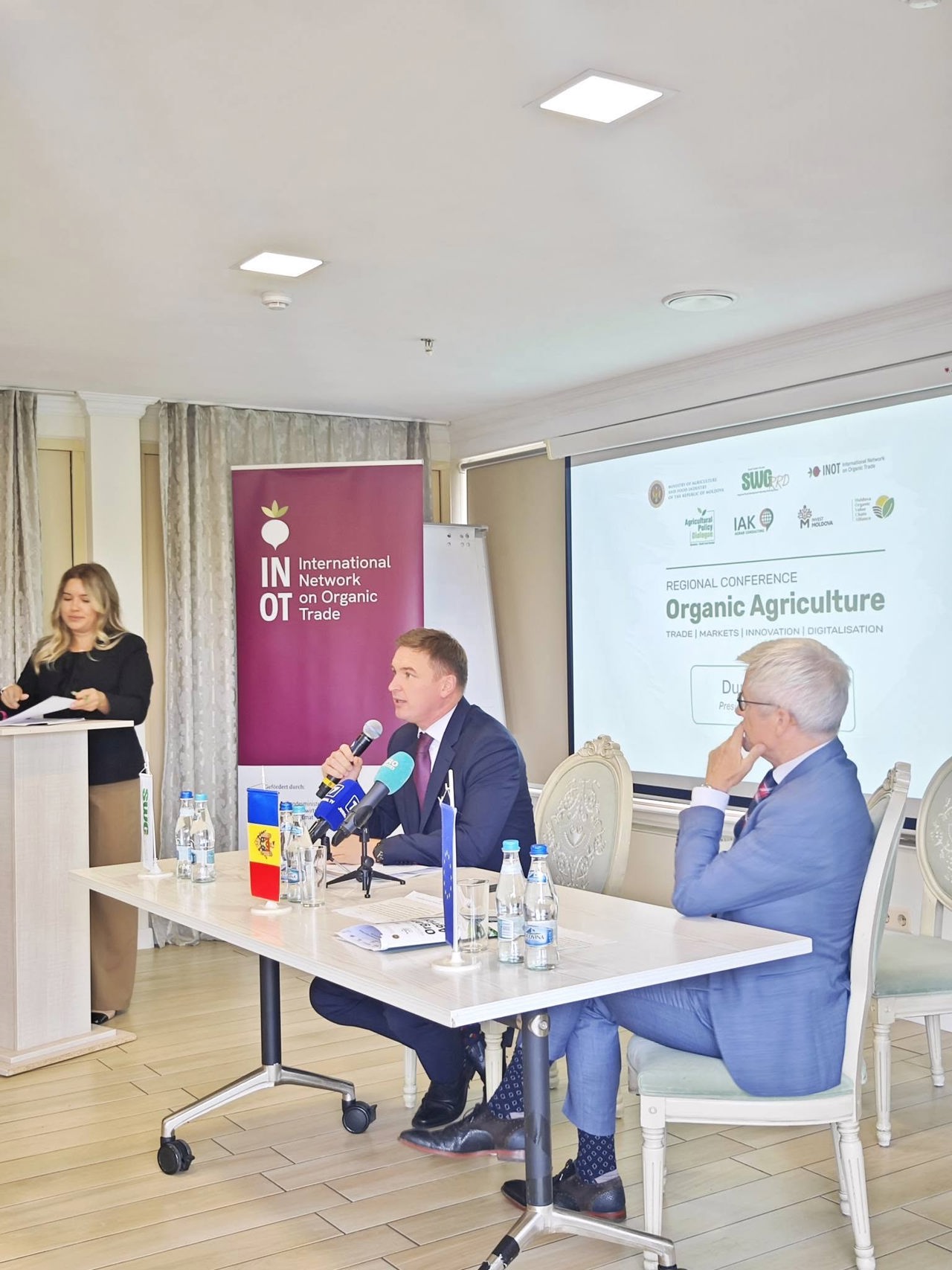
In the Republic of Moldova, the sector is currently consolidating. Dumitru Lefter, President of the Organic Agriculture Value Chain Alliance of Moldova (MOVCA), said more than 80 farms currently operate in the organic agriculture sector. He noted that the organization was established in 2016, at a time when expectations for the sector's rapid development were low.
According to Lefter, Moldovan producers cannot compete with larger nations on market size, but they can focus on product quality.
"We cannot compete with other countries; we are a small nation. However, we must focus on doing something better regarding value-added products," stated Dumitru Lefter.
He also said MOVCA collaborated with the Ministry of Agriculture and Food Industry to develop the legislative framework for organic farming and believes the current legislation provides a protective mechanism for producers.
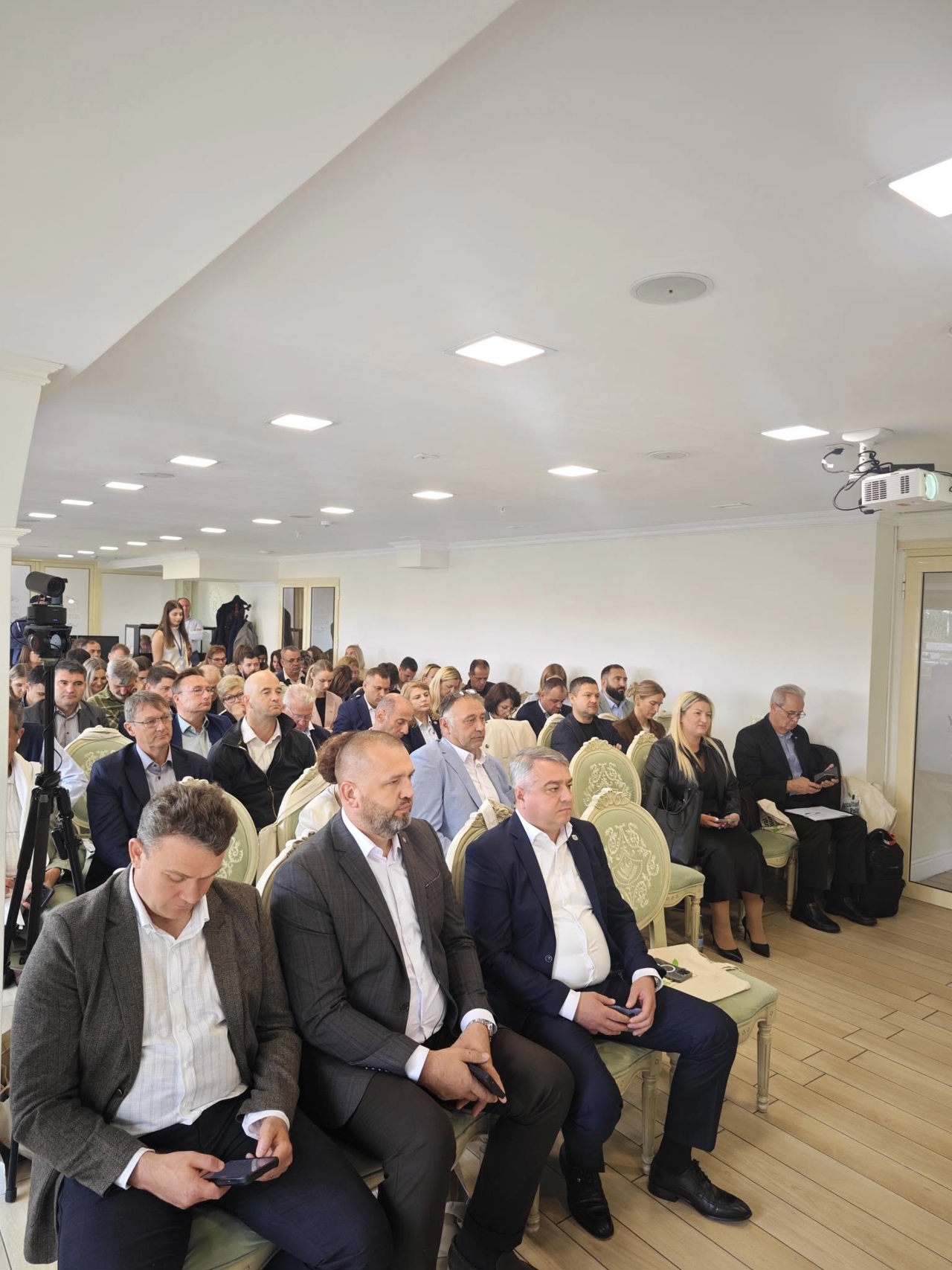
The Republic of Moldova is hosting the Regional Conference on Organic Agriculture in Southeast Europe for the first time. The event marks the European Day of Organic Agriculture, celebrated annually on September 23.
For the first time, organic producers, trade associations, importers, traders, policy makers, international organizations and development partners from across the region gathered at the same table to discuss the future of organic agriculture and organic markets.