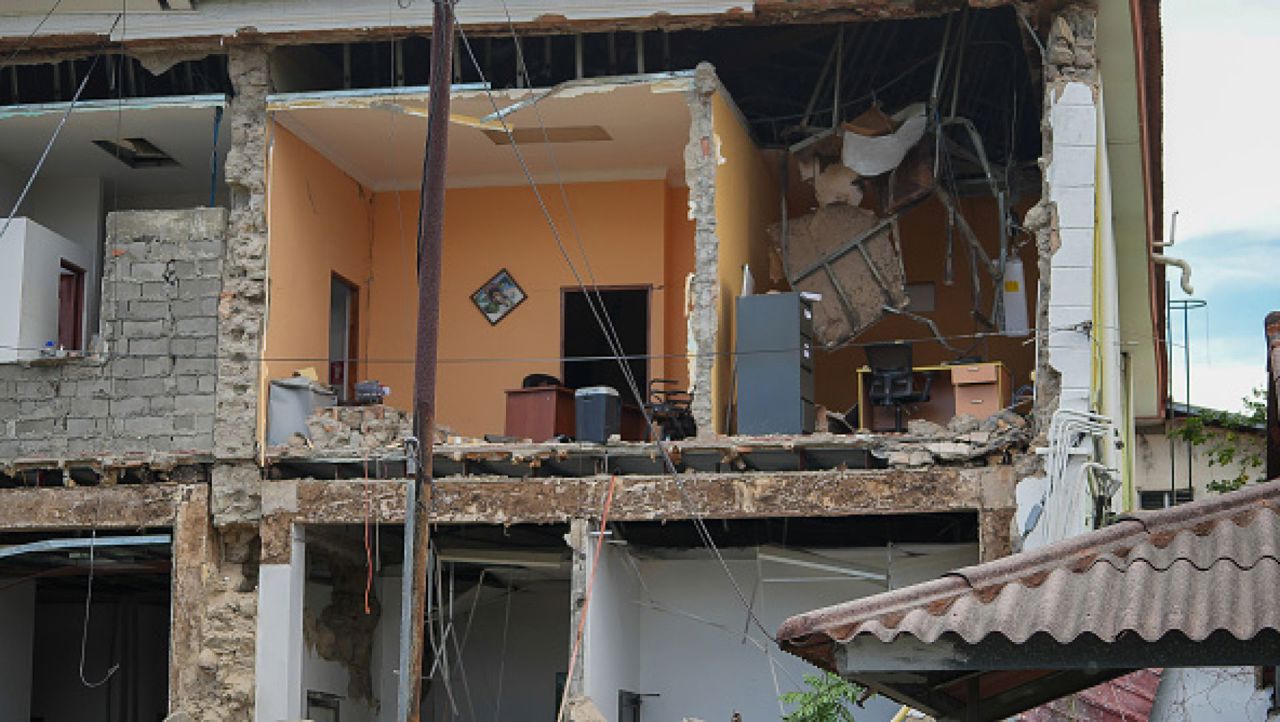
Riyadh airport attack kills 12 and injures 309
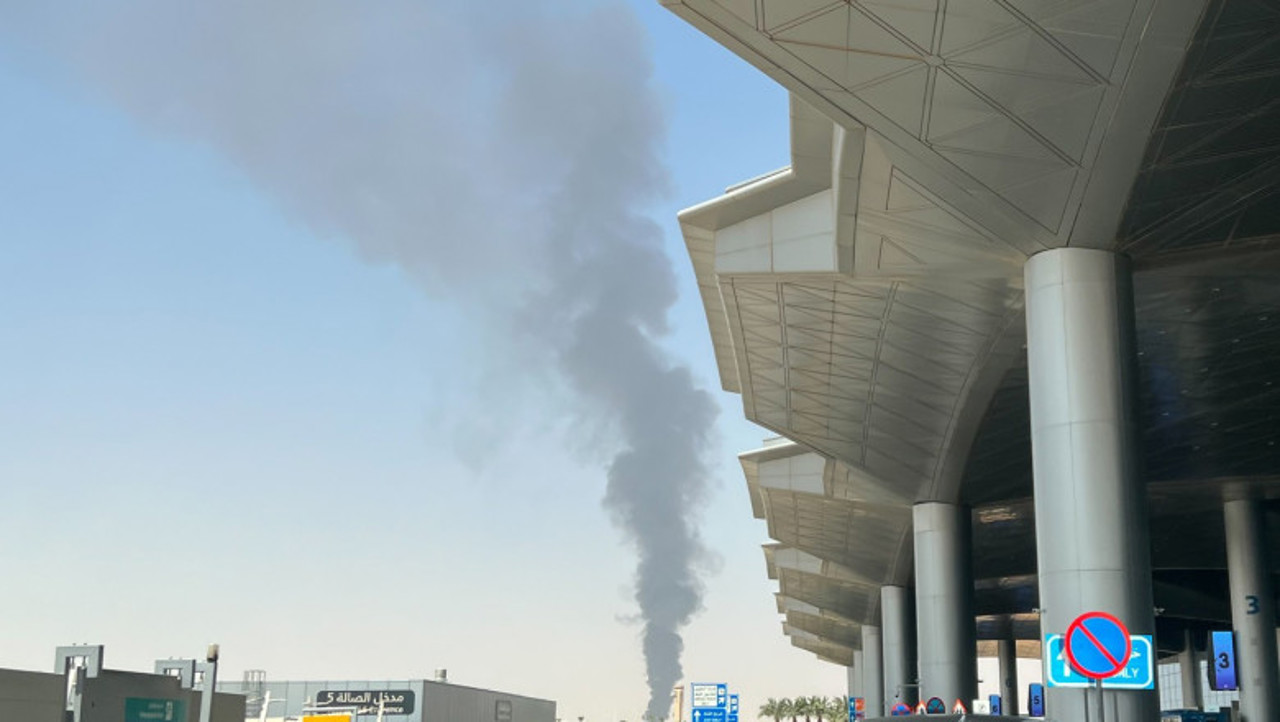
At least 12 people were killed and 309 injured in an attack on Riyadh's King Khalid International Airport on Saturday, Saudi authorities said, prompting a suspension of airport operations.
International casualties reported as regional tensions escalate
The 12 people killed included four Saudi citizens, two Bangladeshis and one national each from Palestine, the United States, Egypt, Jordan, Syria and Sudan, according to Saudi authorities.
The injured are being treated at several hospitals, with some in critical condition.
A missile struck an airport complex housing Terminals 3 and 4, which serve domestic flights, a regional official told the Associated Press, speaking on condition of anonymity.
The attack was part of a series of incidents reported over the past week at Riyadh airport and elsewhere in Saudi Arabia. Four people had been killed in earlier incidents, according to international media reports.
Saturday's attack was the deadliest in a Gulf Arab state since the Iran war began, as fighting intensified between Yemen's Iran-backed Houthi rebels and the Saudi-backed Yemeni government, the BBC reported.
Trump considers joining Saudi strikes against Houthis
US President Donald Trump said he was considering whether the United States should join Saudi Arabia's military campaign against Yemen's Houthi rebels.
"We may. We're going to look at it," Trump said after being briefed on the latest attack. He added that a decision would be made soon.
The escalation follows a major military offensive launched a week earlier by a Saudi-led coalition against the Houthis. The group had not immediately claimed responsibility for the attack on Riyadh airport.
The Houthis, meanwhile, accused Saudi Arabia of striking Sanaa International Airport in Yemen's capital, which is under their control.
Flights suspended as airlines divert aircraft
Saudi aviation authorities suspended operations at King Khalid International Airport until midnight, according to an official notice issued to pilots.
Authorities secured the area, restricted access and increased the deployment of security personnel.
Several flights were diverted to other airports, according to flight-tracking platform Flightradar24. The United States, the United Kingdom, Germany, Australia and Canada warned their citizens to avoid the airport.
Several airlines, including Air India, flydubai, Lufthansa Group and Pakistan International Airlines, had already suspended flights to and from Riyadh and other Saudi airports for varying periods.
The European Union Aviation Safety Agency extended its warnings concerning Saudi airspace, citing the risk of Houthi attacks against targets inside the kingdom, including the capital.
The agency warned that missile and drone attacks, along with air-defence interceptions, increased the risk of civilian aircraft being misidentified.
Saudi Arabia faces dwindling interceptor stocks
Saudi Arabia is also facing pressure on its air-defence capabilities as stocks of interceptor missiles decline.
Regional officials previously told the Associated Press that Riyadh had asked France, the United Kingdom, Pakistan and Egypt to provide air-defence systems and additional support. The officials also said US interceptor stocks had fallen during the war with Iran.
American support for the campaign against the Houthis has reportedly included intelligence-sharing, target identification and military operational planning.
On Saturday, the Saudi-led coalition also reported that a projectile had landed near King Fahd International Airport in Dammam. A ballistic missile launched by the Houthis was intercepted in the Al-Kharj region, southeast of Riyadh, it added.
The attacks have also raised concerns in international markets, as Saudi Arabia is the world's largest oil exporter.
Yemen fighting threatens maritime trade
Clashes between the Houthis and Yemen's internationally recognised government have intensified in recent days. The Saudi-led coalition has provided air support to government forces seeking to retake territory captured by the rebels along the Red Sea coast.
Control of these areas gives the Houthis greater opportunities to monitor maritime traffic. The Red Sea is a major international shipping corridor, particularly as commercial transport through the Strait of Hormuz is disrupted by the conflict with Iran.
The Houthis have said they are targeting Saudi maritime traffic in retaliation for a blockade imposed against them. However, concerns are growing that attacks could spread to other targets.
Saudi Arabia has also called for diplomatic efforts to ease tensions. The Saudi and Omani foreign ministers held a telephone conversation to discuss the need for de-escalation. Oman has previously acted as a mediator in regional negotiations.
Saudi authorities have also warned that filming, publishing or distributing information about missile and drone interceptions, or the locations where projectiles have landed, could result in legal liability.
Translation by Iurie Tataru
RELATED COVERAGE