UK public bodies struggle with AI-generated complaints
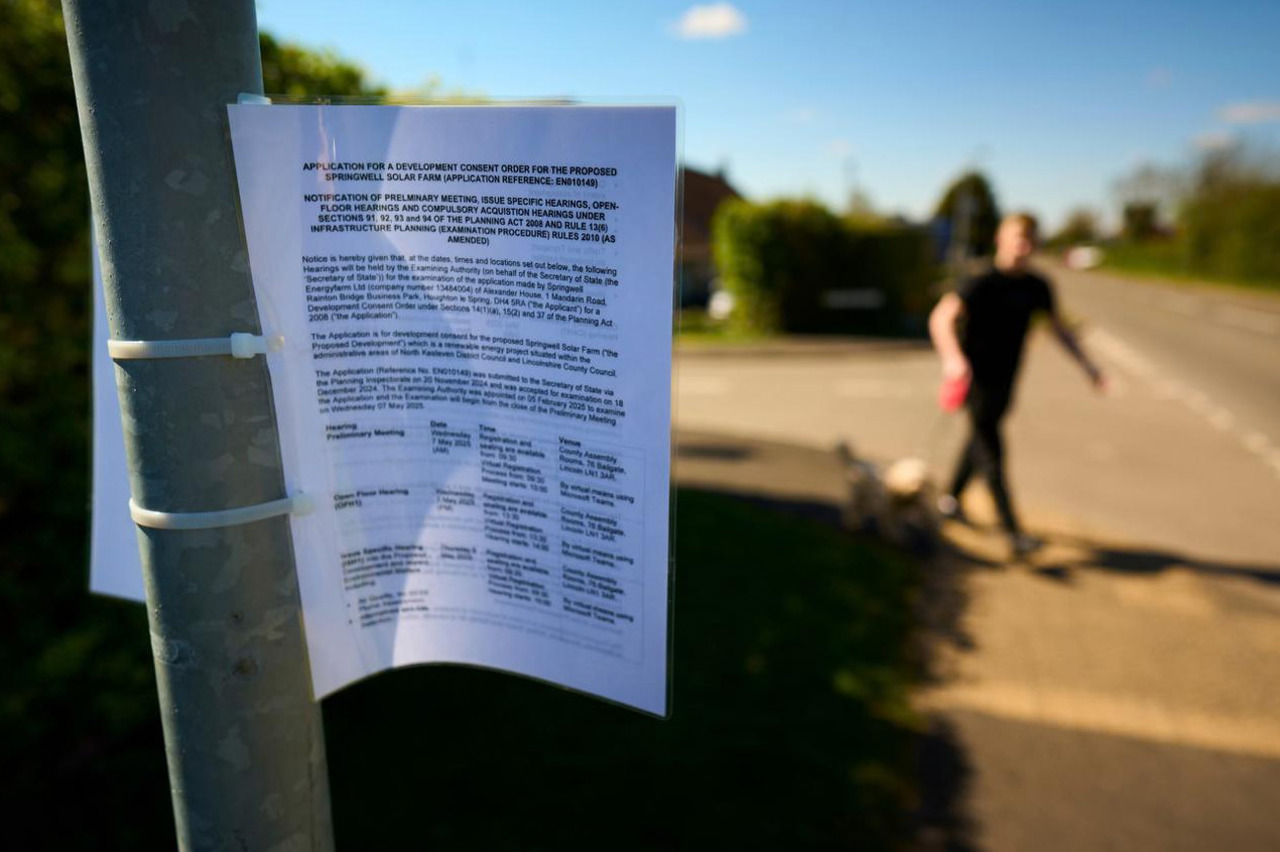
UK public bodies are struggling to handle a surge in AI-assisted complaints and information requests, as lengthy submissions add to workloads and prompt authorities to consider automated processing.
AI-generated correspondence overwhelms public institutions
Half of the emails received by one Labour MP's office are now written with some form of artificial intelligence, according to Hollie Wickens, a senior caseworker at the parliamentary office.
“Half the emails we receive are some form of AI,” said Wickens, explaining that the messages have become more complex and time-consuming for staff to review and process.
The problem extends beyond MPs' offices to schools, local authorities, courts and other public institutions. Many of these organisations are already operating with limited staff and budgets, leaving employees struggling to handle the additional workload.
Employment tribunals and transport authorities face rising demand
The pressure is also reflected in official statistics on employment disputes. Between April and June 2026, UK employment tribunals received approximately 14,000 single-claim cases, a 28% increase compared with the same period in 2025, according to government figures.
The number of outstanding single-claim cases reached 70,000 by the end of June. These figures indicate growing pressure on the tribunal system, although they do not establish that the claims were generated using AI.
Transport for London (TfL), the public body responsible for the capital's public transport system, received a record 4,769 Freedom of Information (FOI) requests in the 2025–2026 financial year. This was 5% above the previous record, set in 2023–2024.
Complaints are becoming significantly longer
The length of correspondence has also increased substantially. Before the widespread adoption of AI chatbots, complaints submitted to local authorities typically ran to around two pages. They now commonly reach approximately 20 pages, according to Deborah Evans, chief executive of Lawyers in Local Government.
AI tools can repeat information already included in complaints, introduce unrelated demands and cite legislation or legal precedents from other jurisdictions. In some cases, they even generate fictitious court rulings, several public officials told The Guardian.
Despite these inaccuracies, public institutions cannot simply disregard such correspondence. They remain legally obliged to examine requests and complaints, including those drafted with AI assistance.
Some organisations have consequently started introducing word limits for submissions or developing online forms that restrict the amount of information applicants can provide.
Authorities consider using AI to process correspondence
Public institutions are also considering using artificial intelligence to manage the growing volume of incoming messages. Potential applications include summarising lengthy submissions, identifying relevant information and preparing standardised initial responses.
Wiltshire Council in England is among the authorities exploring this approach. Stroud District Council in Gloucestershire has also discussed using Microsoft's Copilot to assist with preparing reports and presenting information.
Meanwhile, the UK government has issued guidance to civil servants on the use of artificial intelligence. Officials are advised to verify information generated by AI tools, avoid entering personal data into these systems and ensure that human employees review their output.
Translation by Iurie Tataru
RELATED COVERAGE