Transnistrian region secures gas after rejecting EU aid
The Moldovan government has approved a legal exemption allowing Moldovagaz to sign direct contracts for supplying gas to the Transnistrian region.
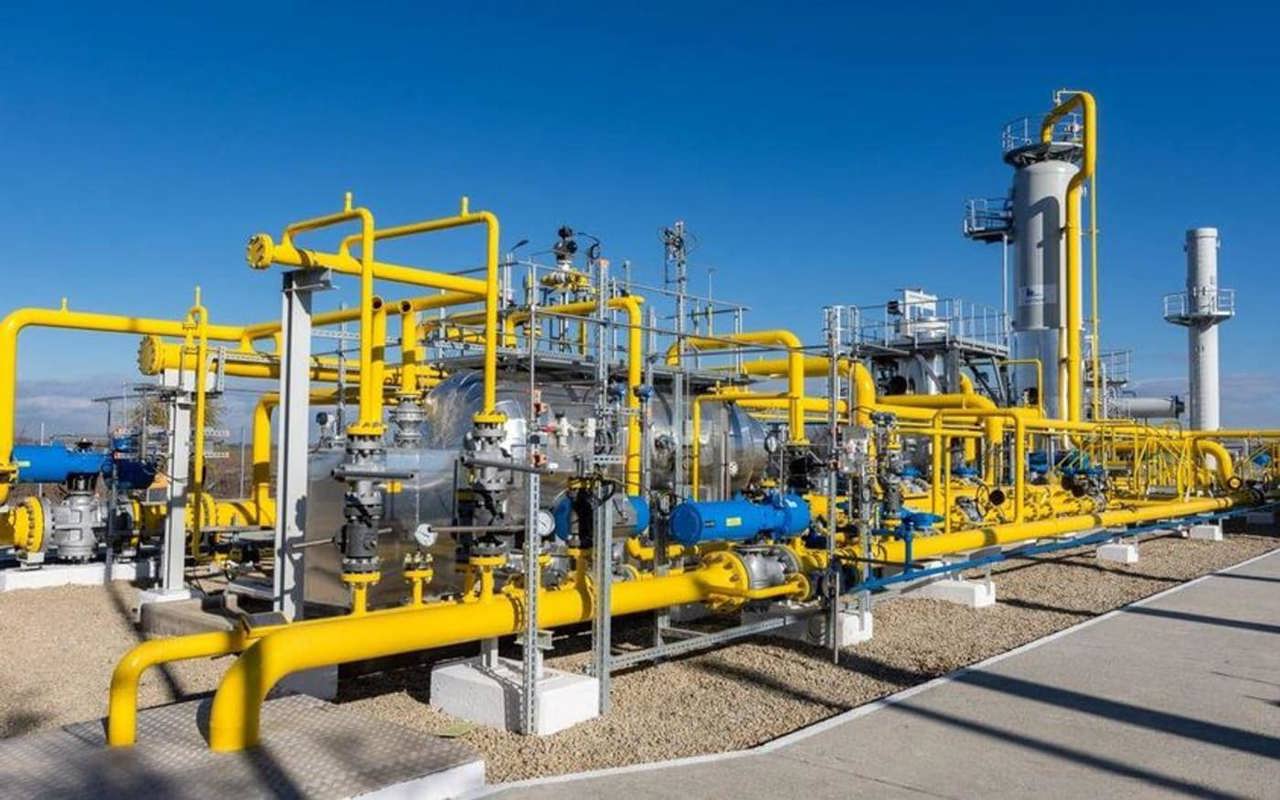
Prime Minister Dorin Recean announced the decision after a meeting of the Commission for Emergency Situations. Starting February 13, Transnistria will receive 3 million cubic meters of gas per day from a European trader, with any additional volumes subject to taxation by the Chișinău government.
For February 11 and 12, Moldovagaz will sell 2 million cubic meters of gas to Tiraspoltransgaz and lend an additional 3 million cubic meters, which must be repaid by the end of March.
"Based on current information, a European trader will supply 3 million cubic meters of gas per day for the next 16 days. If deliveries exceed this limit and major industries resume operations, the government will impose taxes," Recean explained.
Transnistrian separatist leader Vadim Krasnoselski confirmed that gas deliveries would continue. "Transnistria will continue receiving gas from a Hungarian company, with Moldovagaz’s involvement. I acknowledge the positive decision made by Chișinău’s Commission for Emergency Situations," he wrote. Krasnoselski also attributed the arrangement to "financial and operational support from Russia."
A temporary solution to prevent a social crisis
The Moldovan government’s decision follows Tiraspol’s refusal of a €60 million grant from the European Union, which was intended to help the region reduce its energy dependence.
"Why did we make this decision? Because the Tiraspol regime refused the €60 million EU grant, which came with conditions. One key requirement was to introduce gradually increasing electricity tariffs, particularly for businesses. Another condition was to apply tariffs to industrial consumers. The Kremlin created this problem, and we had to choose between letting people on the left bank of the Dniester freeze again, as they did in January, or finding a balanced solution. Tiraspol’s choice is not sustainable because it keeps people vulnerable to the Kremlin’s decisions. However, the government will not block gas deliveries to Transnistria and will take necessary steps to ensure stability in Moldova while protecting consumers on the right bank," Recean stated.
The Tiraspol administration rejected the EU’s financial support, which could have helped reduce the region’s dependence on Russian energy, Recean added. As a result, the left bank of the Dniester will receive gas through a Hungarian company. Although this arrangement does not offer a long-term solution, Chișinău authorities have chosen not to block gas deliveries, ensuring that Transnistrian residents do not suffer from energy shortages.
Tiraspol rejects €60 million in EU assistance
Recently, the European Union approved a €250 million energy assistance package for Moldova. Of this, €30 million has already been allocated for electricity purchases and gas supplies, €100 million will be disbursed by mid-April to subsidize energy bills for consumers on the right bank of the Dniester, and €60 million was designated to support Transnistrian residents—conditional on respecting fundamental rights and adjusting energy tariffs.
The region’s energy crisis began on January 1 when Gazprom completely halted gas deliveries to Moldova, severely impacting the left bank of the Dniester. Previously, the separatist authorities had received free gas from Russia. On January 27, Prime Minister Recean announced that the EU had provided Moldova with an emergency €30 million grant for gas purchases. Additionally, the Moldovan government approved the temporary loan of 3 million cubic meters of gas to Transnistria to maintain pipeline pressure until January 31. Starting February 1, the region began receiving gas purchased with EU funds to meet household and electricity production needs at the Cuciurgan Power Plant.
Translation by Iurie Tataru