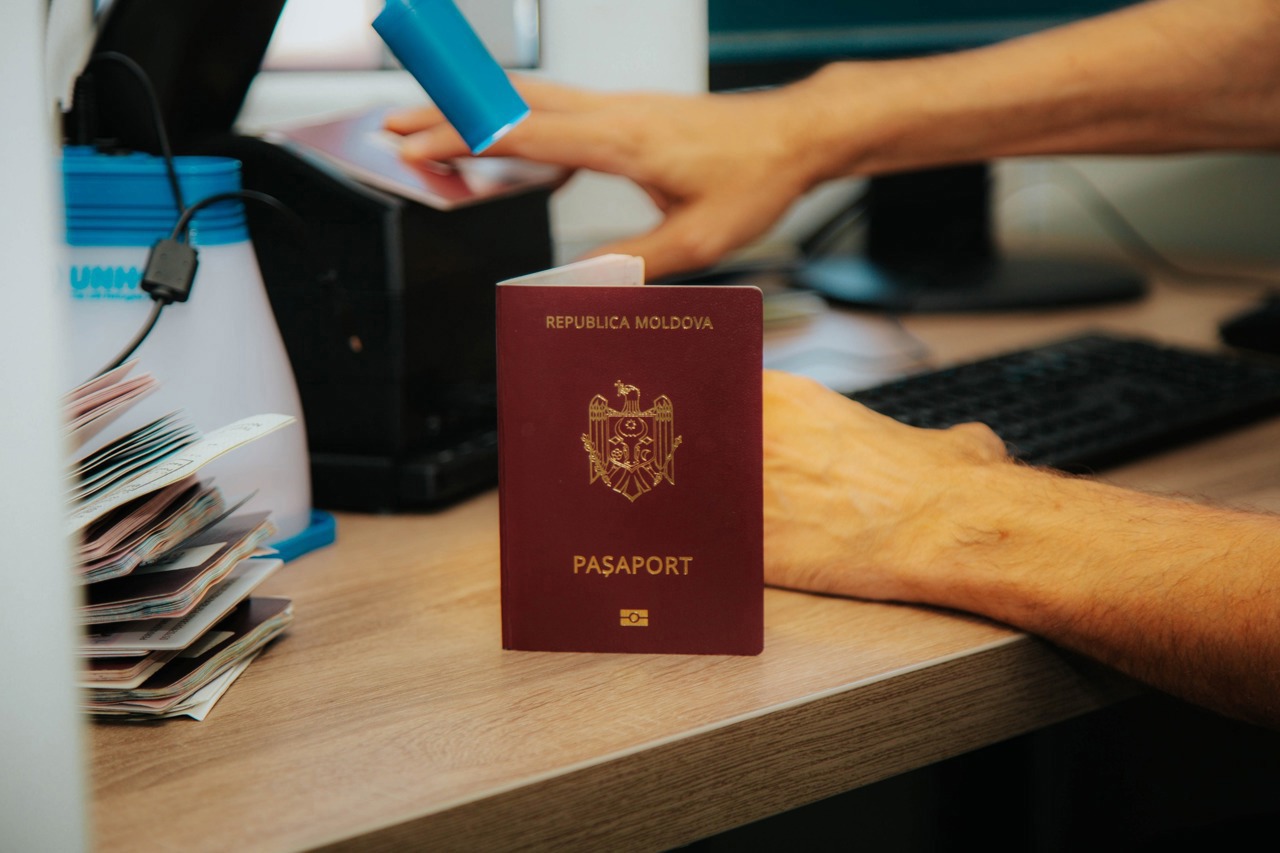
Moldova plans to join the EU by 2029 with an ambitious plan for legal reforms and key investments
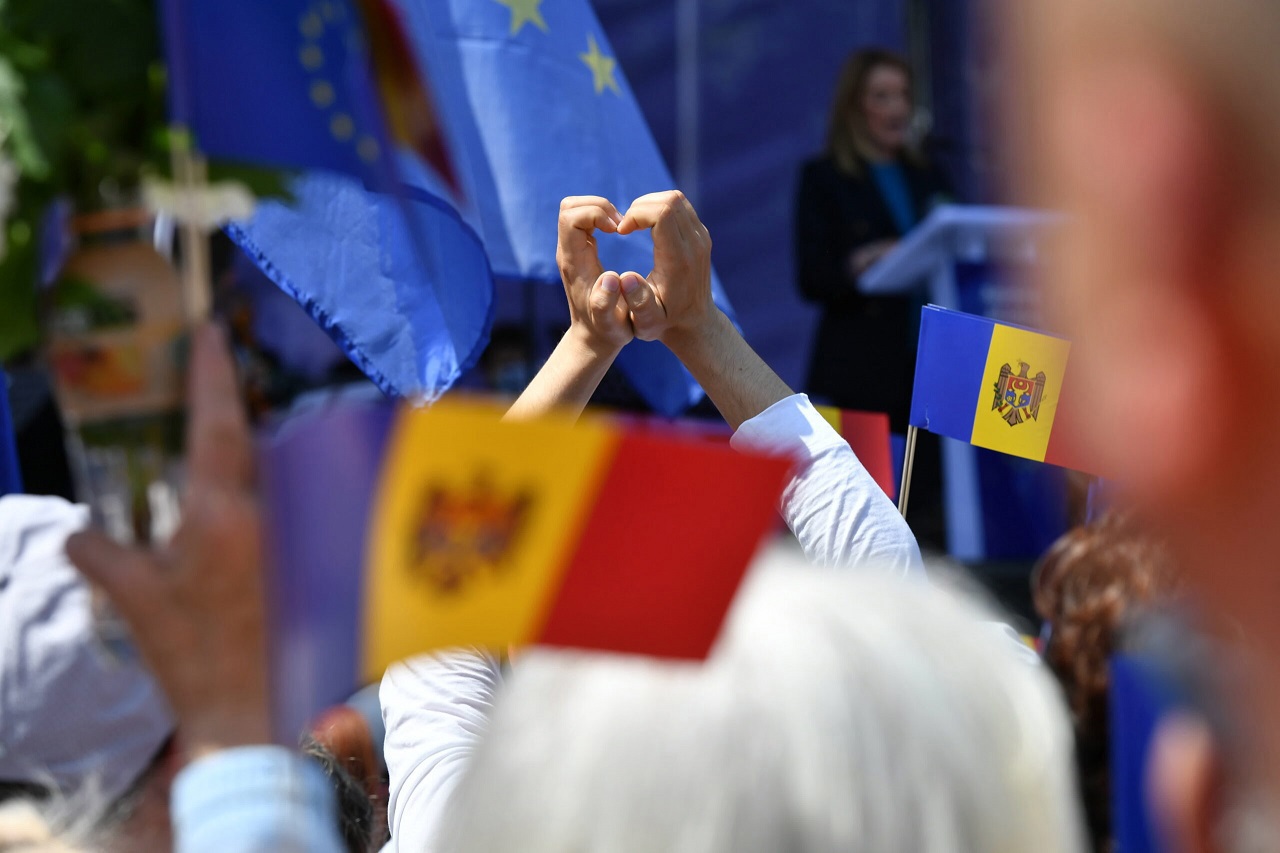
The year 2029 is a feasible deadline for completing the process of Moldova's accession to the European Union, said the Deputy Secretary General of the Government, Rodica Crudu, in the "Parallel 47" program on Radio Moldova. According to her, the recent adoption of the National Accession Plan to the community bloc aims to transpose European legislation and strengthen institutional capacities to ensure the efficient implementation of European norms. The program's periodic update will consider the recommendations of the European Commission and new commitments that may arise during the accession negotiations. Experts say that this plan is a clear commitment of the authorities in Chisinau to continue the European path.
Legislation in agriculture, food safety, the environment, and climate change is a major focus for transposition to European standards, according to Rodica Crudu, the Deputy Secretary General of the Government. She emphasized that energy, transport, and infrastructure are also strategic priorities requiring substantial investments, primarily supported by the European Union's Economic Growth Plan, which is valued at 1.9 billion euros.
"As a country, we are very ambitious. We aim to complete most transposition actions by 2025-2026 and achieve full implementation by 2029 to demonstrate effective application of EU legislation. The bilateral screening process, which assesses the compatibility of national and European legislation, is currently underway. Out of the six negotiation clusters, four are already being analyzed," Crudu explained.
The benefits of joining the European Union for citizens will include recognition of academic degrees, access to medical services that meet European standards, and modernization of infrastructure, Crudu added.
"We must understand that all efforts to align and prepare the national framework help us achieve standards of living comparable to those in the European Union. In other words, the conveniences that we experience when travelling in the EU will gradually be ensured in our own country, the Republic of Moldova," she stated.
With over 3,000 European acts requiring harmonization, the accession process involves the cooperation of all state institutions. Mihai Isac, an expert in the Black Sea region, argues that this document lays the technical groundwork for negotiations and opens new avenues for legislative harmonization and acceleration of European integration. He emphasizes the need for rapid implementation of reforms and better communication between authorities and citizens.
“The government needs to clearly explain what European integration means for the average person. The support from the EU is tangible and concrete—we are talking about grants and loans under exceptional conditions," Isac noted.
The Government has recently approved the National EU Accession Program for 2025-2029, with an estimated implementation cost of approximately 66 billion lei. Funding will come from the state budget, external assistance (including European funds), and other sources. The plan will be updated annually, starting in October, to incorporate recommendations and benchmarks established in the European Commission's annual progress report, as well as other commitments made during the negotiations for Moldova's EU accession.