Moldovan fish farmers call for increased state support
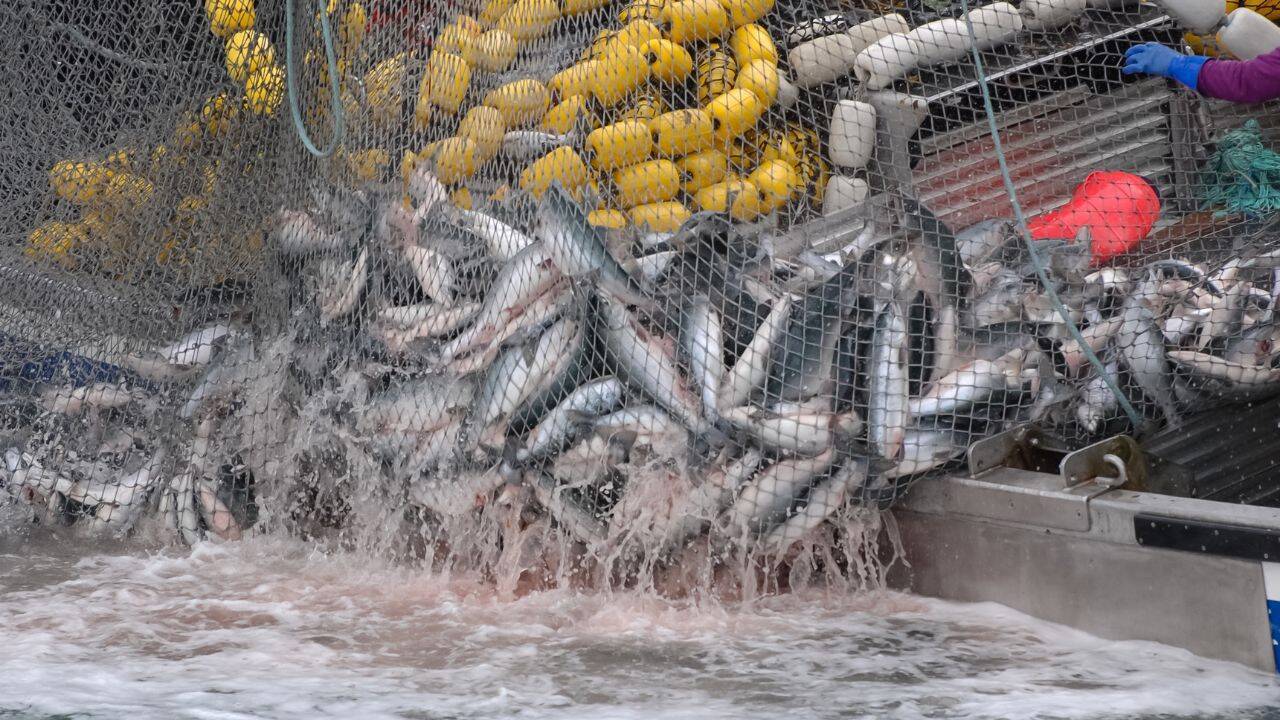
The Republic of Moldova has made significant progress in aquaculture over the past two years, according to authorities. However, representatives from the aquaculture have mixed opinions about the support they receive from the government. They express optimism about Moldova's potential accession to the European Union, which they believe will provide access to the larger European market. Additionally, the quality standards of the EU encourage them to enhance their operations.
The President of the National Association of Fishermen in the Republic of Moldova, Arcadie Guidea, highlighted one of the biggest challenges facing fish farmers in the country: they cannot own lakes. Current legislation stipulates that these water basins are administered by the state and can only be leased. Guidea notes that fish farmers incur significant expenses, as they must enter into contracts with several state institutions and pay taxes to local authorities. He believes that their work is primarily driven by enthusiasm, rather than support from the government.
"In some districts, local public authorities have set tariffs as high as 12,000 to 13,000 lei per hectare of aquatic land or land belonging to 'Waters of Moldova.' In our country, aquaculture has a maximum annual profitability ranging from 600 to 800 lei, up to 2,000 lei," stated Arcadie Guidea.
According to Guidea, aligning Moldovan aquaculture with European Union standards would facilitate access to the EU market and promote the adoption of beneficial European practices. Additionally, the integration of the Republic of Moldova into the European Union would necessitate significant investments in fish production processes to comply with European standards. He emphasized the need for government support to help local producers compete with EU market products.
"The same fish must be slaughtered under humane conditions to reach the shelf. A study found that electrocution at a certain voltage is the best method, as it preserves the fish's appearance and minimizes suffering during slaughter. All processing centers in the Republic of Moldova will have to meet this requirement," said the president of the National Fishermen's Association.
Iurie Scripnic, Secretary of State at the Ministry of Agriculture and Food Industry, stated that fish farmers in Moldova can benefit from state subsidies for purchasing high-performance equipment or fish fry. He acknowledged the industry's challenges and assured that these issues are being addressed in meetings with representatives of the National Fishermen's Association. He announced plans to create a fund that would enable Moldovan fish farmers to access European funds for developing aquaculture businesses next year.
"Once we have access to these funds, we will develop the aquaculture sector in the Republic of Moldova. This will also make it possible to access European resources. We will communicate with farmers and aquaculture associations to clarify the opportunities for business development in this sector," he said.
Tudor Coșleț, the owner of the Sturgeon Fish Farming Complex in Ulmu village, Ialoveni district, shared that he built his business from the ground up with personal investments. After five years of hard work and study, he now manages a complete production chain for caviar and fish products. He pointed out that the European market's requirements align with consumers' desire for fresh and high-quality products. With assistance from the authorities, he is currently finalizing preparations to export his products to the European market.
"At this stage, we have authorization from the National Food Safety Agency (ANSA) for breeding, processing, and marketing fish domestically. Next week, a special commission will evaluate the third hall we constructed for caviar and fish processing, ensuring compliance with all European standards. I hope to obtain export authorization soon. We have potential dealers in Italy, France, and Great Britain who are waiting for us to complete the paperwork so we can begin exporting gradually," he explained.
In early June, the Republic of Moldova completed the screening process in Brussels for Chapter 13, which focuses on fishing and aquaculture. This process assessed the alignment of national legislation and practices in this field with those of the European Union.
We remind you that, according to official data, over 1,000 fish farmers in the Republic of Moldova produce approximately 14,000 tons of fish annually. Additionally, 2,000 tons of fish are imported to meet domestic market demand.