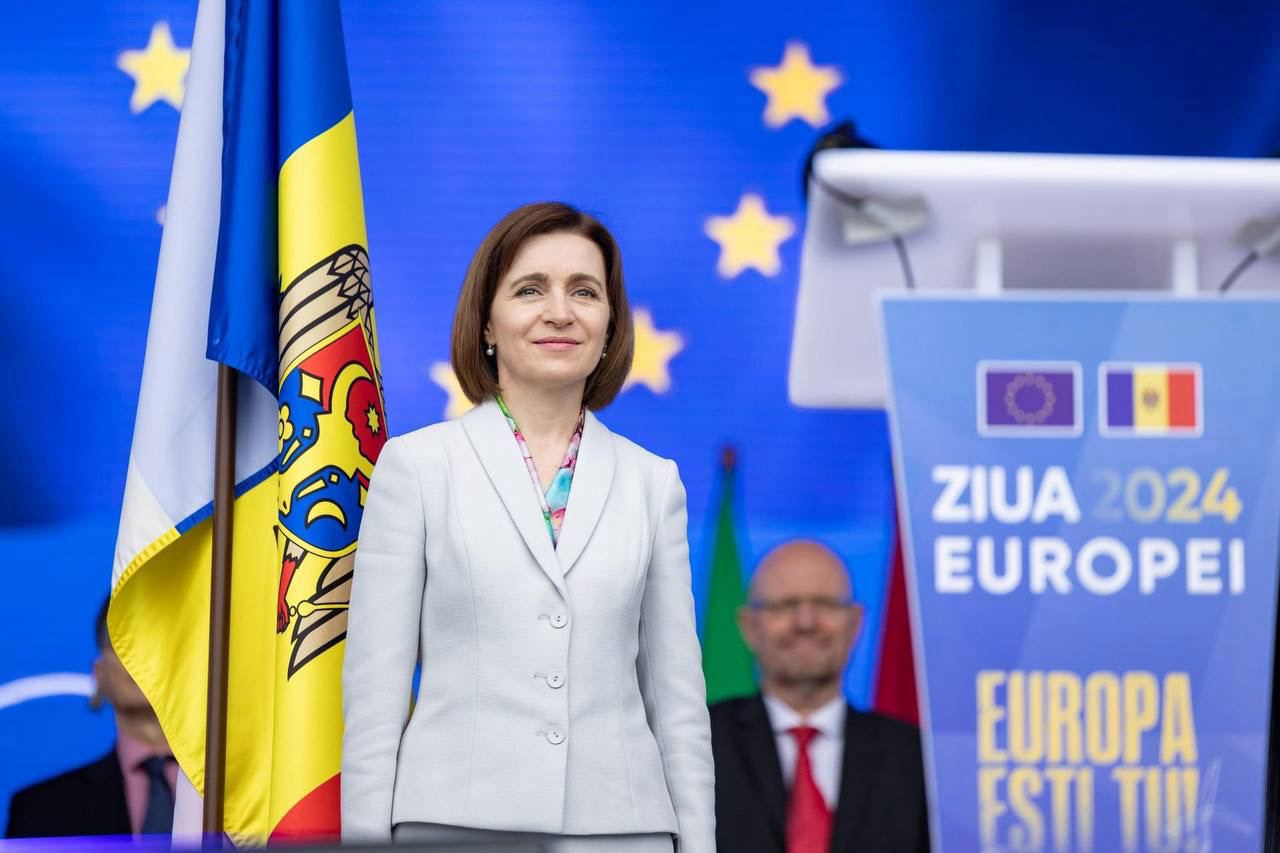
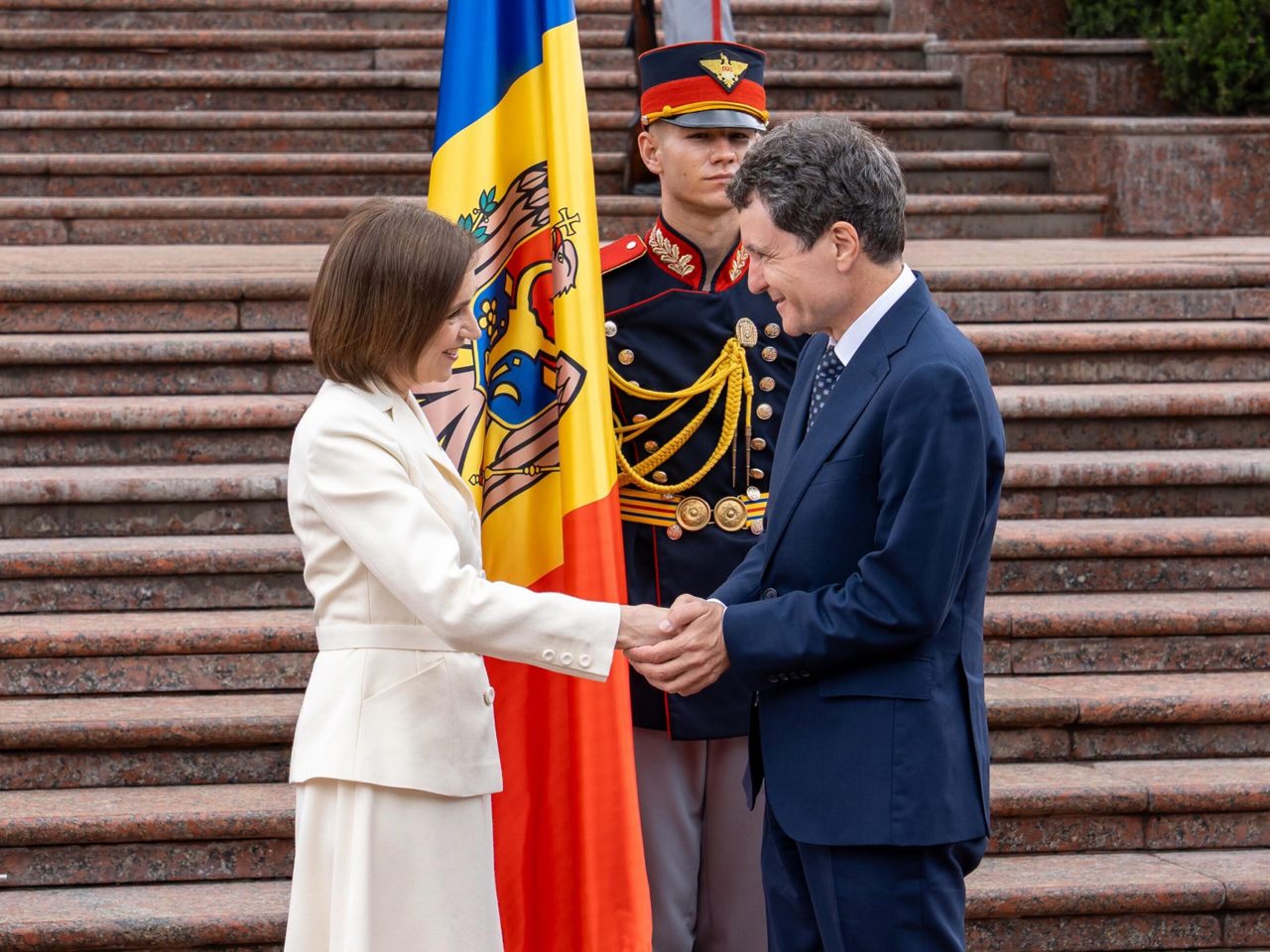
“If we forget, we risk losing Moldova again,” says Moldovan president, six years after Plahotniuc’s fall
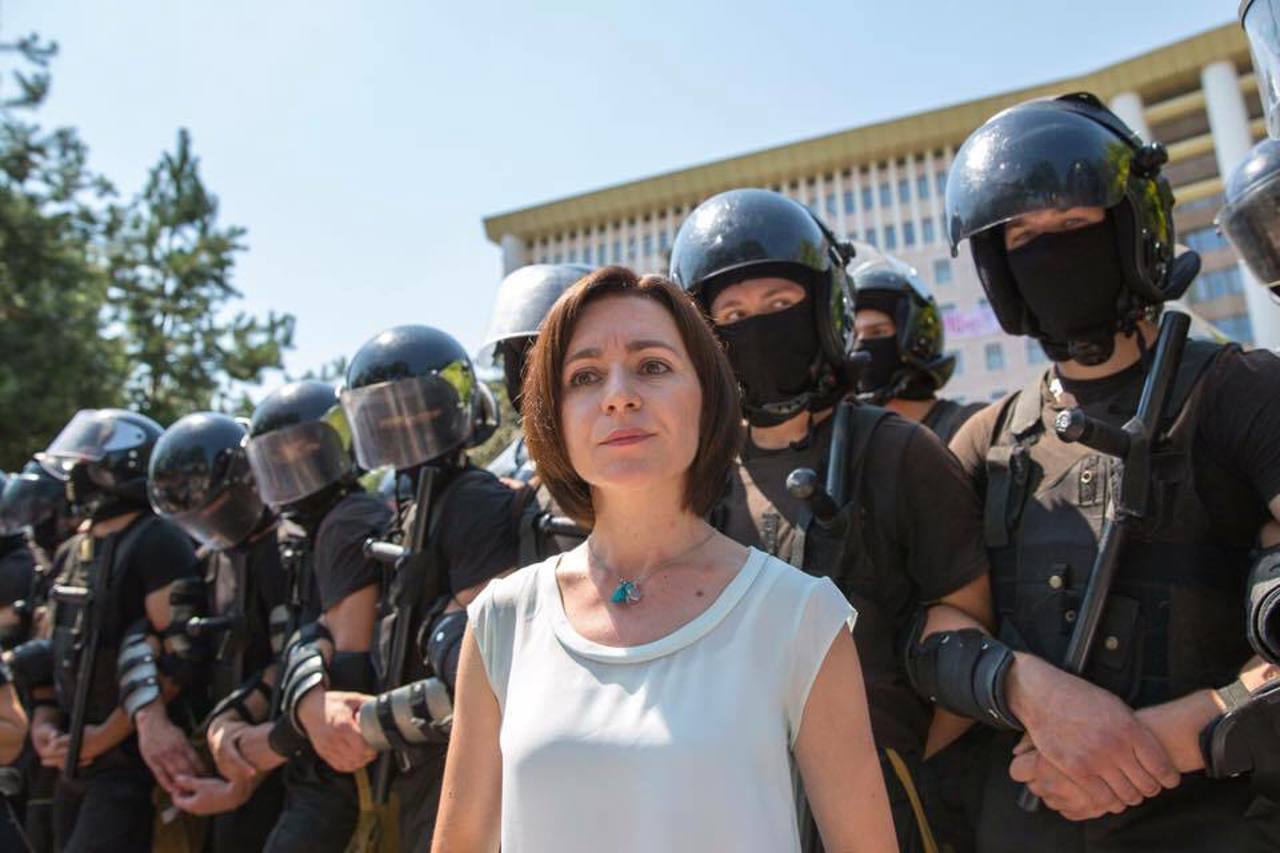
Today marks six years since the events in the Parliament of the Republic of Moldova that led to the fall of the Democratic Party government, the inauguration of a new executive, and the escape of former Democratic Party leader Vladimir Plahotniuc from the country. President Maia Sandu reminds citizens that June 8, 2019, marked the beginning of a challenging journey towards cleansing the state. She urges the public not to forget the "toxic governments" the country has endured in order to stay on its chosen path. At the same time, expert Andrei Curăraru emphasizes that while this regime change opened the door to democratization, the process of de-oligarchization is still not complete.
In her message, the head of state evokes the emotion and hope felt at the moment she declared, “The dictator has fallen!” from the Parliament rostrum. She warns that the Republic of Moldova risks repeating past mistakes if it forgets its history. “We are not perfect; we are learning, but our goal has remained the same— to ensure that things are well at home,” stated Maia Sandu. She emphasized that freedom, international respect, and the status of candidate for EU accession are among the most significant achievements in recent years.
"We remember why we began this journey. We didn’t come for applause. We said this six years ago: we are not ideal, we are learning, but our goal has remained consistent— to foster well-being at home. If we forget the toxic governments Moldova has endured, we risk losing our way again in the face of such danger. Let’s consider where we would be today if Plahotniuc, Shor, Platon, and others like them had remained in power and controlled the country for these past six years. Dear Moldovans, let's remember our achievements, which we attained together with courage and dignity. We must remain united in our chosen direction. Certainly, we still have much work to do; we need to accelerate our development, but not change our direction. Moldova is on the right path today,” the head of state wrote on her Facebook page.
The events of June 2019 represented a crucial "regime change" that significantly impacted the country’s democratic direction, according to security expert Andrei Curăraru in an interview with Teleradio-Moldova. He noted that although the PSRM-ACUM coalition was temporary, it was essential to escape from captivity.
“What we must learn from this event is that the change toward democratization in the Republic of Moldova is real; however, it requires maximum pressure on the regime from the population, as well as broad coalitions, even when these coalitions are not necessarily traditional or expected in society,” Curăraru stated.
Without that regime change, European openness and external support would not have been attainable. However, Curăraru pointed out that remnants of oligarchic influence are still evident, particularly within the judiciary and the management of key institutions.
"It is clear that de-oligarchization is ongoing, as we still witness oligarchic influence in various areas, such as the administration of Chisinau Airport. The justice system, including both judges and prosecutors, is also affected. This vetting and pre-vetting process is a consequence of the need for a justice system that was compliant with the previous oligarchic regime, which prioritized corruption over adherence to the law," the expert emphasized.
He believes that reform efforts must continue to prevent the resurgence of oligarchic influence. Regarding the Republic of Moldova’s current capacity to resist attempts at state capture, Curăraru mentions a "collective memory" that offers a degree of protection but warns that risks have not vanished.
"In my opinion, the Republic of Moldova is prepared to establish stronger institutions, and even though there are serious deficiencies in the judiciary, we see a positive trend and an ability to resist threats, especially hybrid threats from the Kremlin. This gives us reason for optimism that, in the future, it will be harder to capture the state. At the same time, if political leaders revert to the behaviors they exhibited from 2019 or before, utilizing the same non-transparent schemes, the risk will always persist. It is the responsibility of citizens to ensure that such policies do not infiltrate the leadership of the Republic of Moldova," concluded Andrei Curăraru.
In June 2019, the Republic of Moldova experienced an unprecedented political crisis that resulted in the downfall of the regime led by the Democratic Party and the escape of its leader, Vladimir Plahotniuc. On June 8, the Action and Solidarity Party (PAS) and the DA Platform formed a temporary coalition with the Party of Socialists (PSRM). Together, they voted in Parliament to invest in a new government led by Maia Sandu and adopted a declaration regarding the "captured character of the state."
At that time, the Constitutional Court, perceived to be under the influence of the Democratic Party (PDM), declared both the newly formed government and all the Parliament's decisions, including the election of Zinaida Greceanîi as Speaker, unconstitutional. President Igor Dodon was temporarily suspended from office, and acting Prime Minister Pavel Filip signed a decree to dissolve the Legislature and call for early elections.
The crisis lasted for a week, during which Moldova experienced a situation of dual power: the Filip government refused to concede, while the new executive under Maia Sandu began to assert its authority. On June 14, the Filip government and the PDM quit power "to avoid destabilisation," and Vladimir Plahotniuc left the country.