Iran nuclear program: US intel split on strike damage
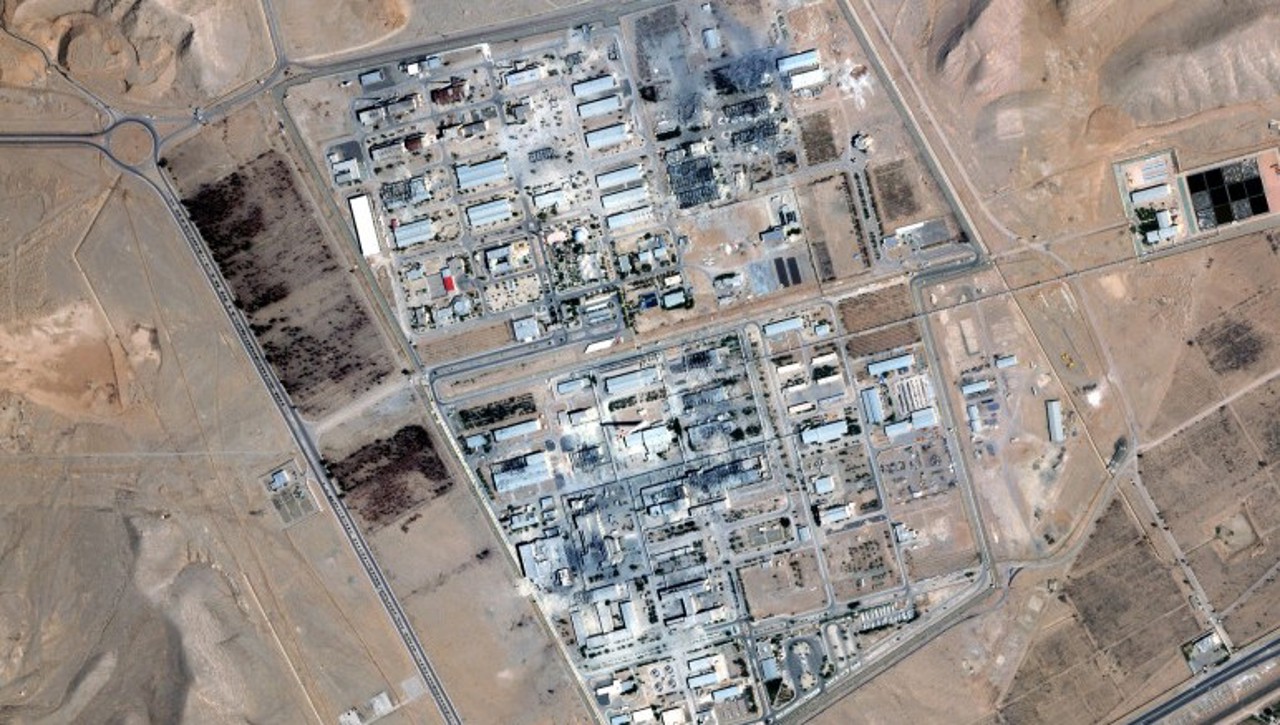
CIA Director John Ratcliffe asserts the agency he leads has obtained "a body of credible evidence indicating that Iran's nuclear program was severely impacted by recent targeted strikes" carried out by the U.S. late last week.
"This includes new intelligence from a source/method with a track record of reliability indicating that several key Iranian nuclear facilities were destroyed and will need to be rebuilt over the course of several years," Ratcliffe stated on June 25, according to CNN.
The declaration comes a day after CNN and other media outlets reported on a preliminary assessment from the Pentagon's Defense Intelligence Agency (DIA), conducted approximately 24 hours after the American attacks. This assessment found that the bombings likely only delayed Iran's ability to produce a nuclear weapon by a few months, according to news.ro.
The White House rejected this assessment, calling it "incorrect," and President Donald Trump stated that the strikes had "erased" Iran's nuclear capacity.
Meanwhile, National Intelligence Director Tulsi Gabbard posted Wednesday on X that "new information" supported the idea that Iran's nuclear facilities were "destroyed" following the strikes.
"New information confirms what the President has stated numerous times: Iran's nuclear facilities have been destroyed," Gabbard posted on X on Wednesday, without providing evidence.
"If the Iranians chose to rebuild, they would have to rebuild all three facilities (Natanz, Fordo, Isfahan) in their entirety, which would likely take years," Gabbard added.
A senior White House official told CNN that the administration believes the preliminary report from the Defense Intelligence Agency (DIA) was leaked after the assessment was posted Monday evening on CAPNET — a system used for sharing classified information with Congress. Consequently, the White House decided to share fewer reports on this system.
The administration also stated that it's conducting an investigation into the leak.
Translation by Iurie Tataru