NATO commitments enhance Moldova's security, economy
Increased NATO defense spending and the alliance's commitment to Ukraine also bring greater stability for Moldova, says Valeriu Mija, State Secretary at the Ministry of Foreign Affairs (MFA).
Chișinău is banking on its partnership with NATO, particularly through integration into Euro-Atlantic industrial supply chains.
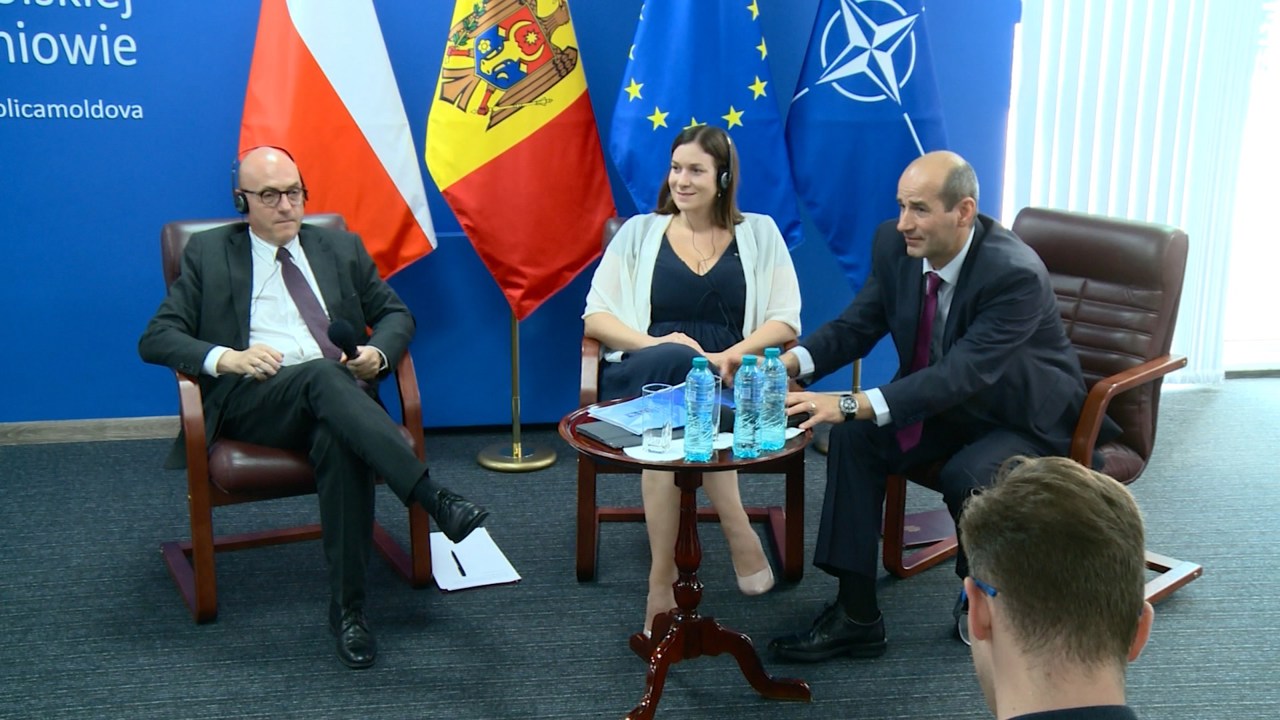
Even without a traditional defense industry, Moldova possesses economic sectors with strategic potential that could prove attractive to alliance partners. This would translate into jobs, investments, and economic growth, Mija stated during a discussion on the implications of the NATO Summit in The Hague, hosted by the Polish Embassy in Chișinău on July 1.
At The Hague Summit, the alliance's heads of state and government decided to boost defense investments to 5% of GDP over the next decade, primarily to counter the Russian threat. Of this, 3.5% will be direct military spending, with 1.5% allocated to infrastructure investments.
Contributions to Ukraine's industry and defense will also be factored in. Allies also reaffirmed transatlantic unity and their firm commitment to collective defense and NATO's Article 5.
"All decisions made by allies in The Hague last week across the three agreed areas—support for Ukraine, increased defense spending, and boosted industrial production—include a clear dimension of supporting Ukraine. The reaffirmation of unwavering support for Ukraine is a very important element. An independent, stable, and secure Ukraine is vital for Moldova too," declared Michaela Guerard Šimák, Head of the NATO Liaison Office.
Last year, Poland spent over 4% of its GDP on defense.
"In our case, society is highly united, and the strategic choice made by our leaders in the 1990s—security above all—greatly helped maintain this unity. Polish society as a whole, as well as the political leadership, are very united in their perception of the threat. But this isn't something that emerged in recent years. It's the result of centuries of history," said Polish Ambassador Tomasz Kobzdej.
According to its national strategy, Moldova's defense investments are set to increase to 1% of GDP over the next five years.
At the same time, Moldova can become part of Euro-Atlantic supply chains, even though it doesn't have a defense industry in the classic sense.
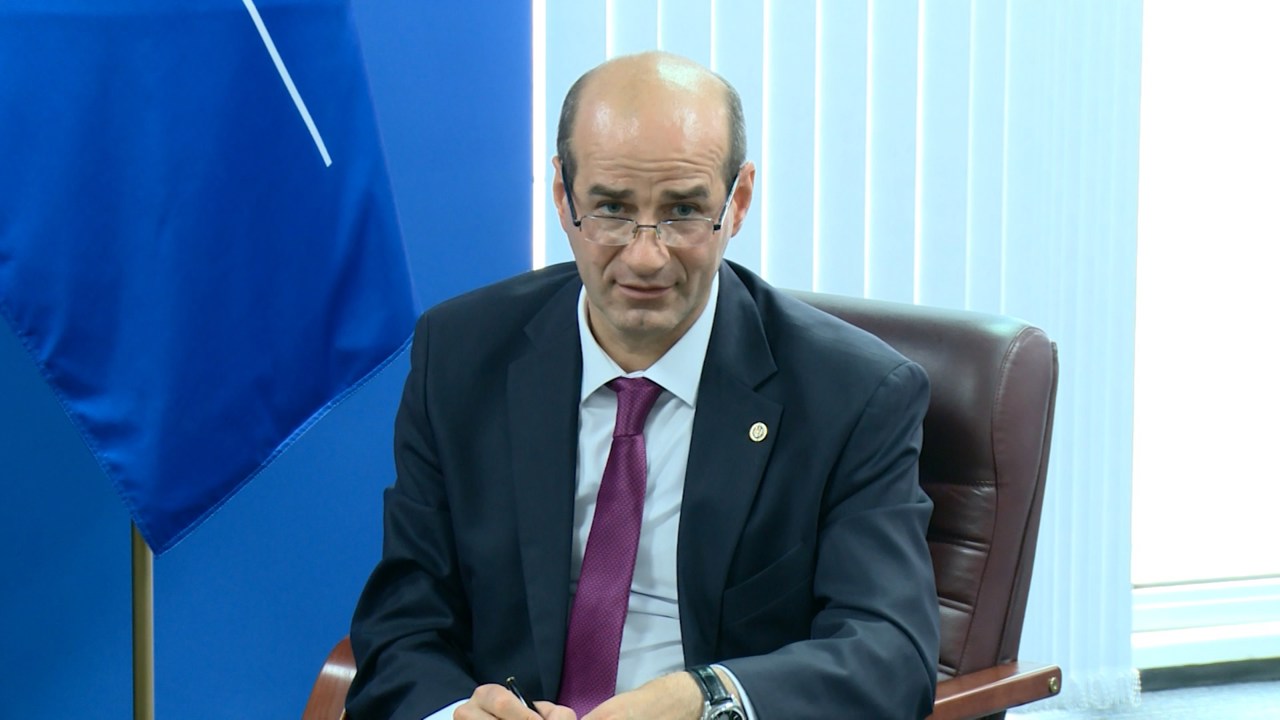
"The goal is to develop these dual-use industries within the European, Euro-Atlantic space, offering two benefits. For Moldova, it means economic growth, job creation, and meeting our needs. For partners—it means our products reaching them, being competitive and necessary," explained Valeriu Mija, State Secretary at the MFA.
Moldova's national defense budget reached 2 billion lei last year, approximately 0.5% of GDP.
Translation by Iurie Tataru