Trump’s tariffs condemned by BRICS amid trade tensions
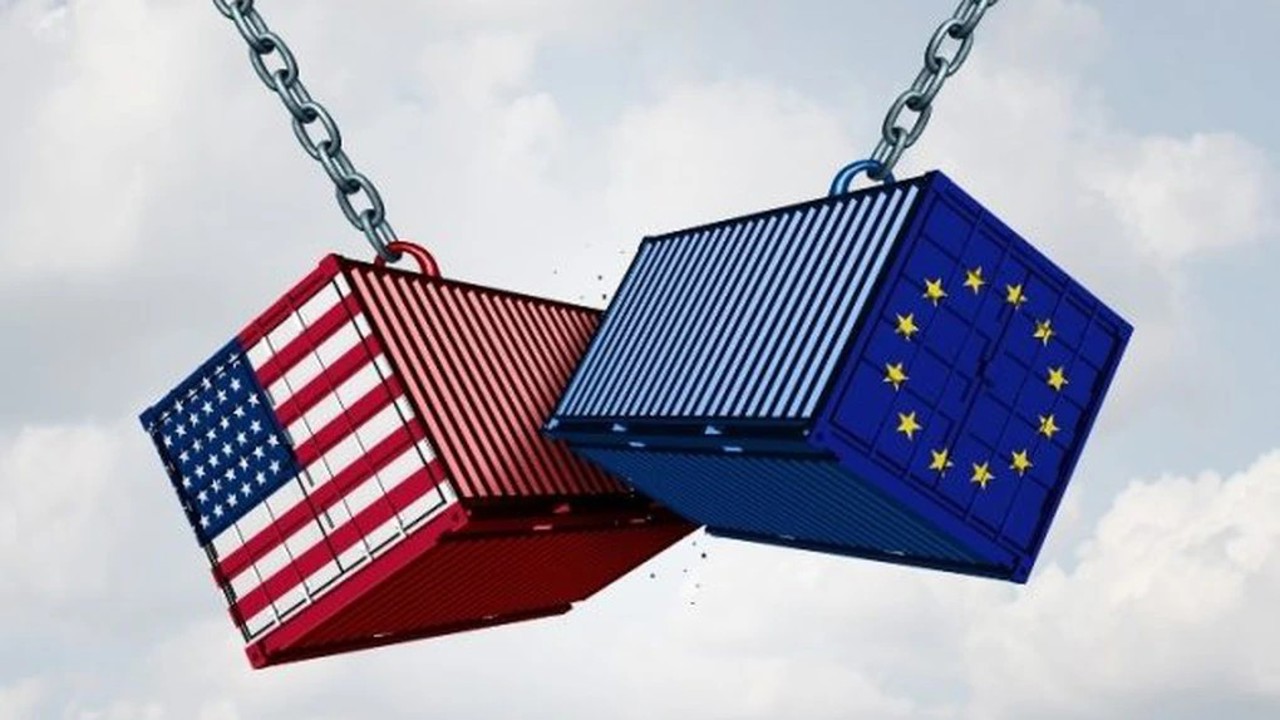
Donald Trump's punitive tariffs and aggressive trade measures were criticised on Sunday, July 6, by BRICS leaders gathered in Brazil, although notably absent were Vladimir Putin and Xi Jinping
A day earlier, on Saturday, July 5, France’s Economy Minister Eric Lombard reminded the press that Wednesday, July 9, marks the deadline set by the US president for the end of the 90-day “grace period”—after which the new and often arbitrary tariffs will take effect.
In Brussels, the stakes remain high, along with widespread uncertainty over the potential consequences. Lombard, who serves under President Emmanuel Macron, even referred to Trump as a caïd—a term which, while meaning “chief” in Arabic, is French slang for a gang leader or mafia boss. He went on to say that, if negotiations fail, the European Union would have to respond “with greater force.”
Back in early April, Trump triggered a global shockwave by announcing a steep rise in US import tariffs: a minimum surcharge of 10%, potentially rising to 50% for countries that export more to the United States than they import from it.
He later suspended the tariffs temporarily, allowing time for individual trade negotiations. The deadline he set for finalising deals with Washington is July 9. Should no agreement be reached, the tariffs on those countries' exports to the US will take effect.
According to Trump, the tariffs could vary by country—from China to the European Union—and range between 10% and 20%, or in some cases as high as 60% to 70%. Affected countries are expected to begin paying the new duties as of August 1.
For now, tariffs on steel and aluminium have already doubled to 50%. On June 4, Trump raised sector-specific duties on those imports, citing a need to “ensure that imports do not pose a threat to national security.”
Steel and aluminium were the first sectors to be hit when the White House introduced a 25% surcharge on March 12. The stated goal was to “encourage domestic investment.”
These sectoral tariffs—now applied to cars as well and soon to be extended to pharmaceuticals and semiconductors—are among the few not blocked by a recent court ruling targeting indiscriminate tariff policies.
Tense negotiations with the EU
Talks with the European Union remain fraught, as Trump has threatened to impose a 50% import surcharge and accused the bloc of negotiating in bad faith.
The OECD now forecasts a sharp slowdown in US economic growth this year as a result of Trump’s tariff campaign, with GDP expected to slow to 1.6%, down from 2.4% before the billionaire entered the White House.
Notably, in his earlier remarks, French Minister Eric Lombard also called for imposing additional duties on China as a way to protect France’s economy.
Meanwhile, anticipating a tougher stance from Brussels, Beijing has announced it will exclude major European companies from public procurement contracts in China.
A heated summer lies ahead for global industry.
Translation by Iurie Tataru