Electoral corruption: Nearly 15 million lei in fines for vote-selling in the 2024 elections
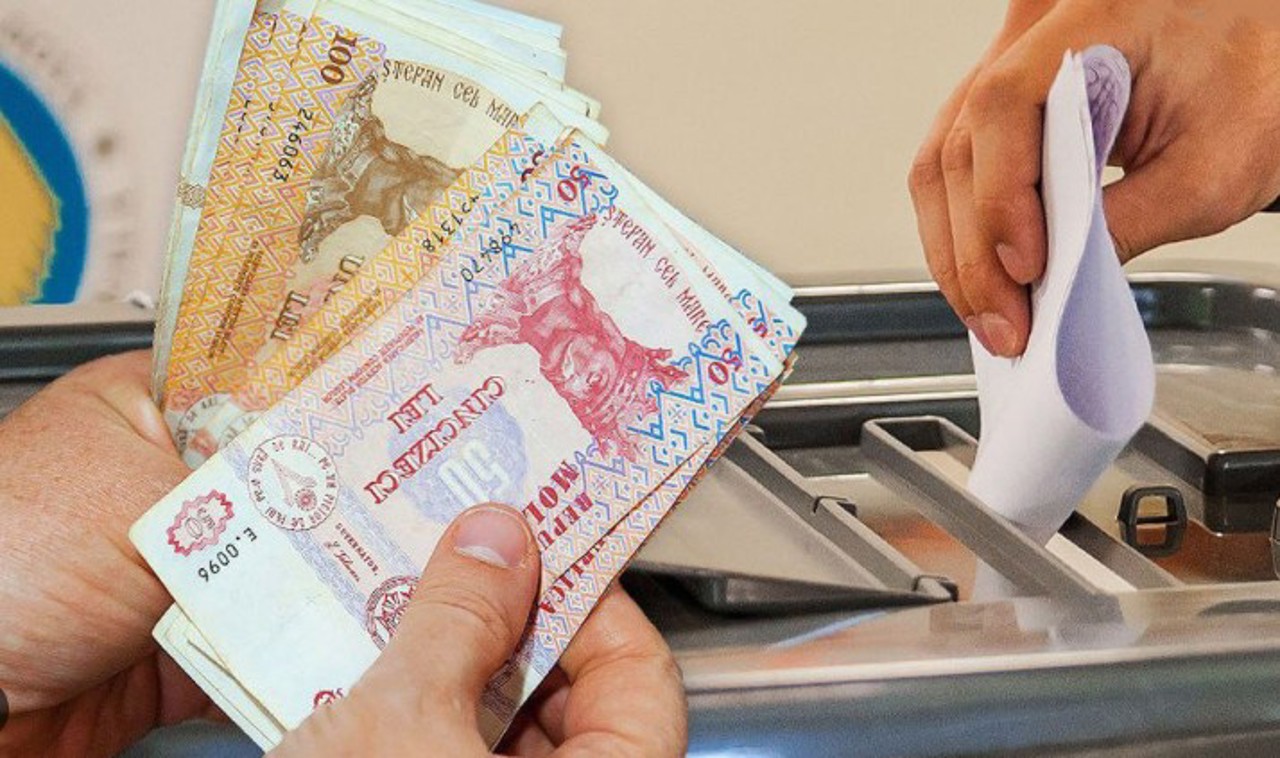
Approximately 25,000 individuals were fined for electoral corruption during the elections last fall. The total amount of the fines reached nearly 15 million lei, announced by President Maia Sandu on Wednesday, July 30, following a meeting of the Supreme Security Council (SSC).
Selling votes is a serious crime. Those who sell their votes face fines ranging from 25,000 to 37,500 lei. Approximately 25,000 fines have already been imposed, resulting in the collection of nearly 15 million lei. If this crime is committed for the benefit of a criminal organization, the penalty can range from 8 to 15 years in prison. Organizing vote-buying or electoral corruption can lead to imprisonment for 2 to 6 years, fines between 37,500 and 57,500 lei, and the loss of the right to hold certain positions, the head of state emphasized.
The president urged the public not to share personal data with criminal groups, warning that "sanctions will apply to you as well, not just to those who organize these acts of corruption."
During the same press conference, the head of state predicted that the vote-buying scheme would also be implemented in the upcoming parliamentary elections on September 28. According to Maia Sandu, the Russian Federation is planning to finance this scheme with approximately "100 million euros" primarily through cryptocurrencies to manipulate the results of the autumn elections.
The methods being used include "microcredits for hidden financing," transfers through accounts at Promsvyazbank, and "money laundering schemes aimed at corrupting the electoral process."
"We are aware that microcredits are being opened in the names of thousands of Moldovan citizens in Russian banks without their knowledge. You may end up with debts to Russian banks that you are not even aware of," the head of state warned.
Additionally, it was noted that SSC members discussed strategies to combat information manipulation and foreign interference in the electoral process during a meeting convened by Maia Sandu.
Security agencies have identified ten methods through which the Russian Federation is attempting to influence the parliamentary elections this fall. These methods include electoral corruption, illicit foreign financing, foreign information manipulation campaigns, the organization of paid protests, cyberattacks on election-related digital infrastructure and other critical objectives, as well as using religious institutions for the interests of a foreign state.
Russia also employs so-called opinion leaders and online influencers as intermediaries to send messages against the country's European integration. Organized crime is being involved in destabilization efforts, including plans to sabotage the electoral process in the diaspora, hybrid influences on the electorate in UTAG and the transnistrian region, and online mobilization and radicalization through the promotion of extremism and hatred in society.
"This should not intimidate us, but rather motivate us. We must remain vigilant. Our institutions have a crucial responsibility and know what actions to take. However, citizens also bear significant responsibility. The future of the Republic of Moldova depends on each of us—on the information we consume, the actions we take, our beliefs, and the decisions we make," declared Maia Sandu after the SSC meeting.