MEP Tomac on Radio Moldova: The EU is aware of the risks Moldova faces from Russia
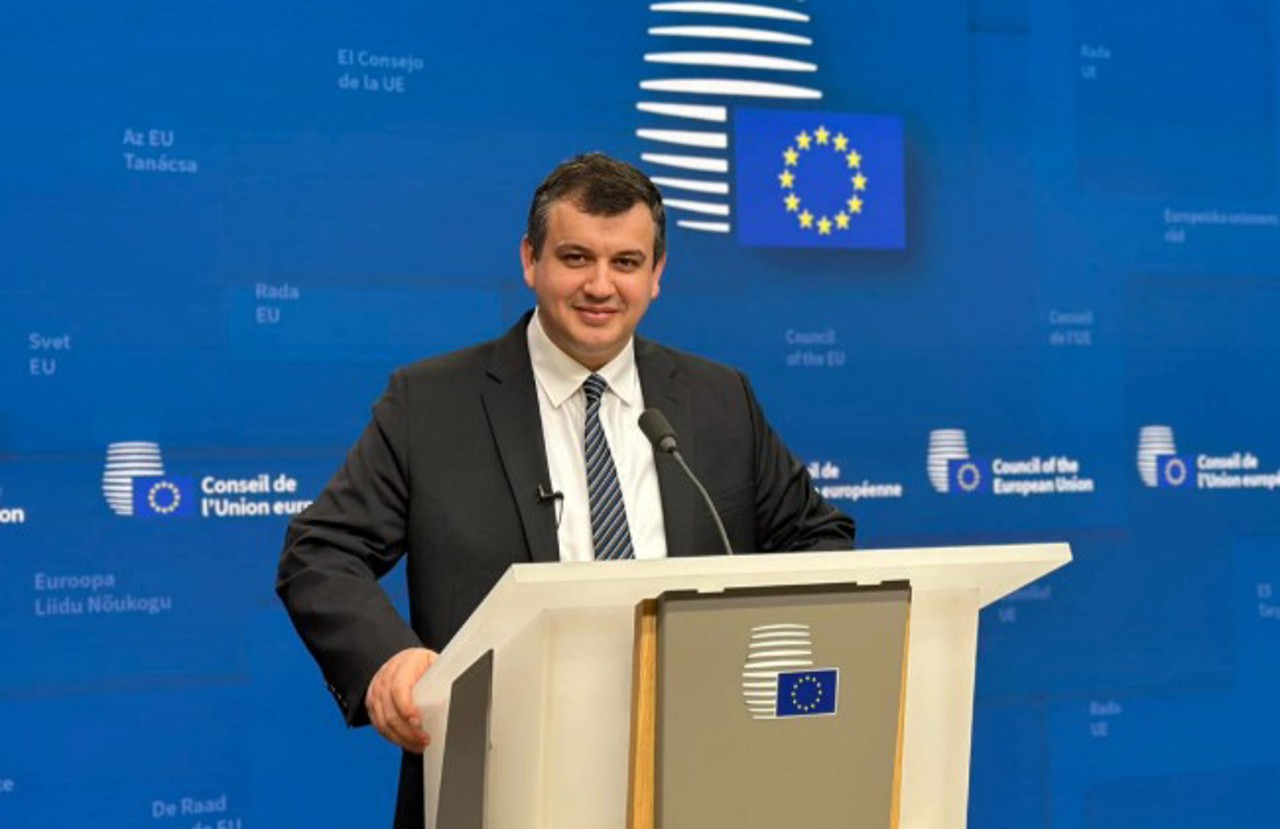
Aggression and hybrid attacks by the Russian Federation are a reaction to the Republic of Moldova's natural and democratic aspiration to move closer to the European Union, said MEP Eugen Tomac on the "Zi de Zi" show on Radio Moldova . His comments followed a statement from President Maia Sandu, who convened the Supreme Security Council (SSC) earlier that morning. During this meeting, she announced that Russia is preparing to interfere in Moldova's elections through paid protests, cyber attacks, and false messages aimed at the diaspora.
The MEP expressed concern that the Kremlin's approach, which he deems extremely dangerous, has persisted for many years and often results in consequences that impact the lives of tens of millions of citizens, including those in the Republic of Moldova.
"It is not a new rhetoric; it has simply entered a different phase, and the European Union has recognized this. Consequently, in recent years, the integration process of the Republic of Moldova into the European Union has accelerated significantly, even faster than Romania's entry into the EU. From this perspective, I believe that the European Union's response is proportional to the risks faced by the Republic of Moldova. Furthermore, we should not overlook the unprecedented financial support package worth 1.9 billion euros that the European Union has made available to the Republic of Moldova," recalled Eugen Tomac.
However, he added that the financial assistance and expertise provided by the European Union are not sufficient for the country to withstand current challenges. The MEP emphasized the importance of citizens understanding that Moldova is at a critical turning point, leaving no room for interpretation.
"It should be clear to any rational person in the Republic of Moldova that if political chaos, decision-making uncertainty, and various forms of bargaining emerge in Chișinău, leading to confusion and instability, as well as the stagnation of reforms, such a situation will not inspire trust and understanding from the European Union. A good example for the citizens of Moldova is to look at Georgia and observe what happened there after a pro-European majority was no longer present in the Tbilisi Legislature," he pointed out during an interview on Radio Moldova.
Additionally, President Maia Sandu warned today, following a meeting of the Supreme Security Council, that the Russian Federation aims to exert control over the Republic of Moldova in the fall and is preparing for "unprecedented interference" in the parliamentary elections scheduled for September 28.
According to the moldovan President, Russia is funding various political movements and projects to infiltrate loyal individuals into the future Parliament. This includes sovereignist factions, aggressive populist movements, independent candidates, and seemingly pro-European political entities.
To accomplish its objectives, Moscow utilizes at least ten strategies, such as disinformation campaigns, covert financing, organized protests, cyber attacks on digital infrastructure, and the manipulation of religious institutions for foreign purposes, as noted by Maia Sandu.