Trump's tariff policy reshapes global trade
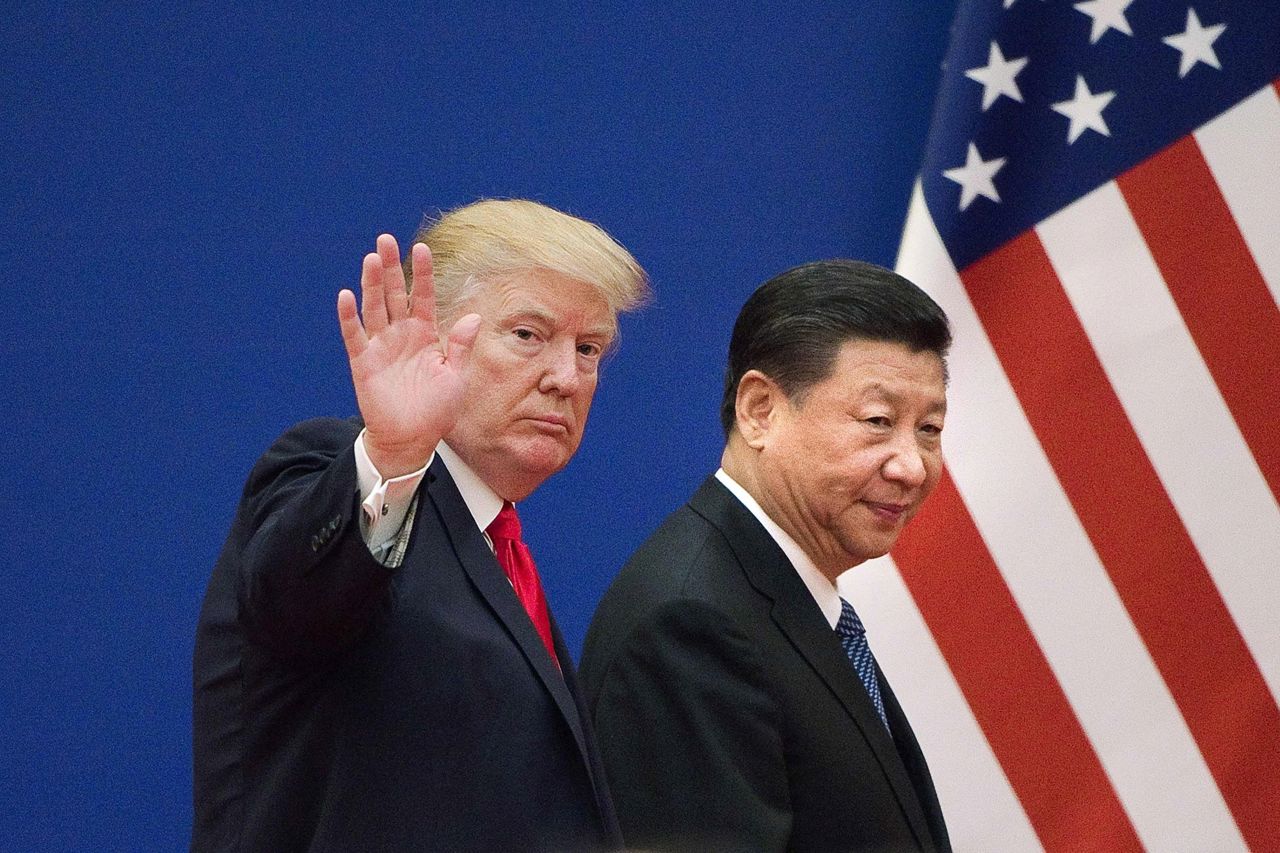
U.S. President Donald Trump signed an executive order on Monday, August 11, that postpones the implementation of new tariffs on goods imported from China for 90 days, CNBC reports, citing a White House official.
The tariffs were scheduled to take effect on Tuesday, August 12, but the decision postpones their implementation until mid-November. According to CNBC, this measure was the expected outcome of the latest round of negotiations between U.S. and Chinese trade representatives, which took place in Stockholm at the end of July.
Had the deadline not been extended, the customs duties on Chinese goods would have reverted to their peak levels from April 2025—145% imposed by the U.S. and 125% applied by Beijing.
In May 2025, the U.S. and China had agreed to a 90-day reduction of reciprocal tariffs to 30% (for the U.S.) and 10% (for China), respectively. In June, Donald Trump announced the signing of a trade deal intended to "open up China" for American businesses. Beijing confirmed the agreement at the time, stating that Washington had agreed to eliminate certain restrictions on China.
U.S. and EU reach trade agreement
In late July 2025, Donald Trump and European Commission President Ursula von der Leyen agreed on a trade agreement in Turnberry, Scotland, which sets a 15% tariff on goods from the European Union exported to the U.S. According to the American leader, the EU, in exchange, pledged to invest an additional $600 billion in the U.S. economy and to purchase $750 billion worth of energy from the United States.
New tariffs target other countries, including Moldova
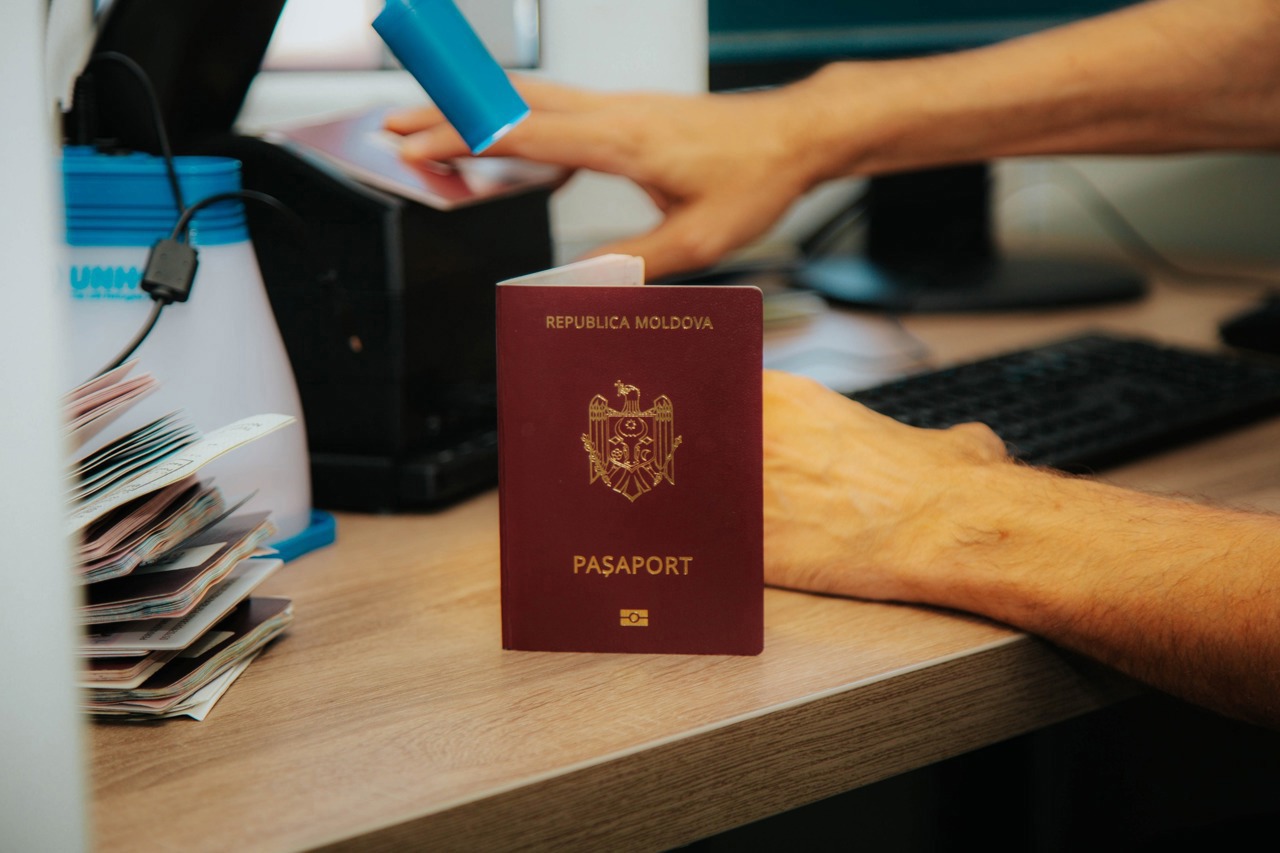
New customs duties imposed by the Trump administration went into effect on Thursday, August 7, for over 60 countries. The tariffs range from 15% to 50%, based on their commercial and geopolitical relationships with the U.S. The Republic of Moldova is among the targeted states; its products exported to the U.S. are taxed at 25%, with the wine sector being the most affected. According to authorities in Chișinău, the measure will impact about 2.5% of the country's foreign trade, and the government has promised to support affected entrepreneurs.
Other targeted states include India, with a cumulative tax of 50% due to sanctions for purchasing Russian oil; Canada, at 35% for alleged failures to combat drug and human trafficking; and Brazil, at 50% because of the legal situation of former president Jair Bolsonaro. The U.S. also imposed a 100% tax on imports of chips and semiconductors to stimulate domestic production.
Translation by Iurie Tataru