Ragweed, the ‘evil weed’ harming people and crops: how to fight it
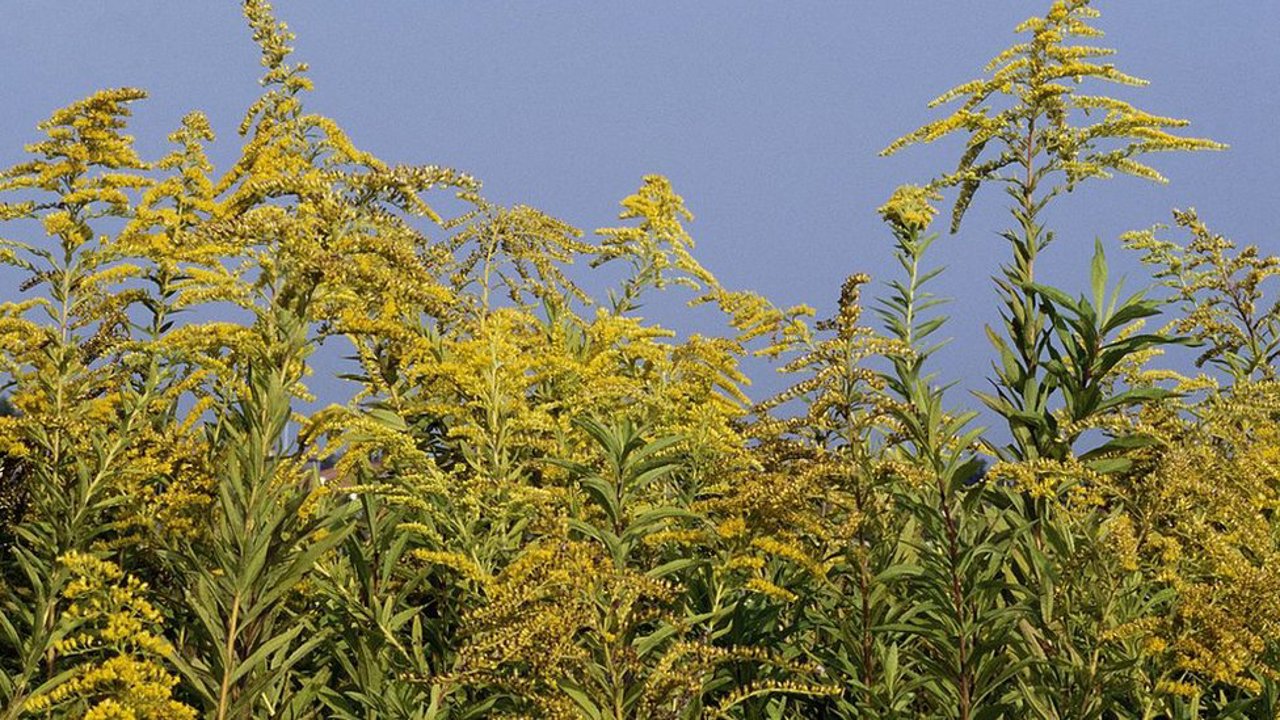
Ragweed is rapidly spreading across the Republic of Moldova, impacting both agricultural lands and public health. According to plant protection specialist and Doctor of Biological Sciences Pavel Pânzaru, this invasive weed thrives in abandoned areas, along roadsides, and on railway embankments. It is highly resistant to drought and can withstand cutting, making it a significant concern.
A well-developed ragweed plant can produce up to 3,000 seeds annually, and these seeds can remain viable in the soil for as long as 40 years. This longevity is one reason why ragweed is so difficult to eliminate once it appears, as explained by an expert in an interview with Radio Moldova.
Ragweed is often referred to as "the grass of evil" due to the strong allergic reactions it causes during its flowering period, which lasts from July to October. The pollen can be carried by the wind for up to 30 kilometers, affecting many who are sensitive to it.
In the absence of biological control methods, specialists suggest some straightforward yet effective measures. These include repeated mowing before flowering and the manual removal of the plant, with careful attention to avoid skin contact in order to prevent allergic reactions.
"The most effective method remains mowing as often as possible, ideally before the plant flowers. If the plant is removed by the root, the risk of it spreading decreases significantly," emphasized Pavel Pânzaru.
Experts also advise farmers to maintain clean cultivated lands, as ragweed can have a negative impact on crops. Additionally, in the context of export, many countries refuse to import cereals contaminated with ragweed seeds.
The Ministry of Health, in collaboration with the Ministry of Agriculture and Food Industry, launched the "Without Ragweed" campaign. This initiative aims to inform and mobilize citizens in the fight against this invasive plant.
The campaign's goal is to raise awareness about the risks associated with ragweed pollen exposure and to encourage community involvement in identifying and combating the plant.
"During the two weeks of the campaign, various informative materials will be distributed on social media, providing the public with practical recommendations and concrete solutions to help reduce the spread of ragweed. Together, we can protect public health and the environment," stated the Ministry of Health.
Interview with Doctor of Biological Sciences Pavel Pânzaru, on Radio Moldova: