Gazprom's China gas deal 'lacks resources', say experts
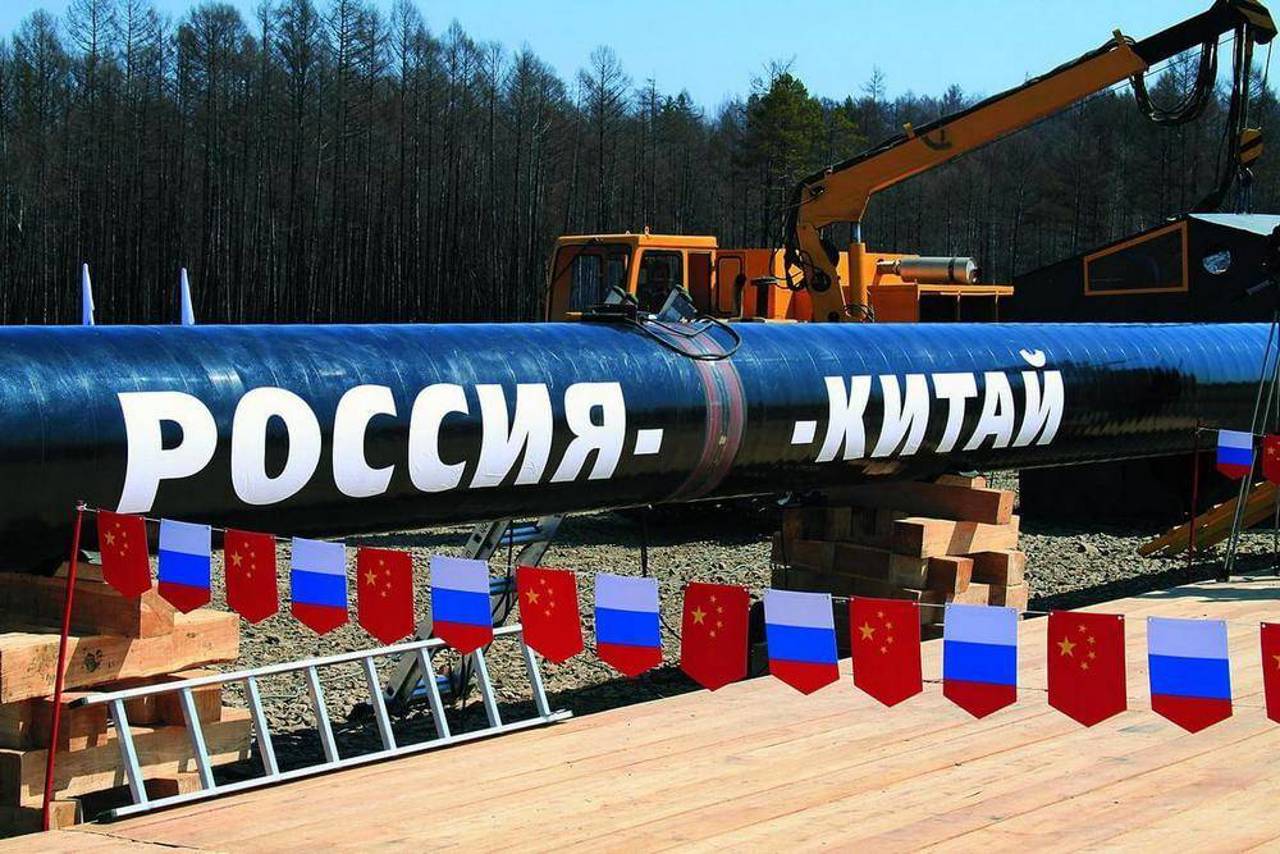
Agreements to increase gas supplies to China, secured during President Vladimir Putin's visit to Beijing, are not backed by Gazprom's existing resources, experts warn.
The Moscow Times reported the findings from the Institute for Energy and Finance (IEF).
In addition to a memorandum for the new 'Power of Siberia 2' gas pipeline—which does not yet include a concrete contract or specify delivery dates—Mr Putin and Mr Xi also agreed to increase exports via the existing 'Power of Siberia 1' pipeline. Starting in 2031, the volume delivered to China is set to increase from 38 to 44 billion cubic metres a year.
Overall, Gazprom has committed to supplying an additional 114 billion cubic metres of gas to China by 2049. However, IEF experts question how this significant increase can be fulfilled.
Currently, the 'Power of Siberia 1' pipeline is supplied by two fields—Chayandinskoye and Kovykta—with a projected capacity of 52 billion cubic metres a year. "However, gas from these fields is also used to supply the Irkutsk region, Yakutia, and the Russian Far East, including the future Amur Gas Processing Plant," the IEF experts note.
According to the experts, to meet the contract's terms, Gazprom will have to buy gas from other producers, such as Rosneft, Surgutneftegaz and INK. "Otherwise, Gazprom's own gas resources might not be sufficient," the IEF warns. This would mean the company would have to give up its status as a monopoly exporter of pipeline gas, a position it has fiercely defended in the past.
The Kovykta and Chayandinskoye fields together deliver around 42 billion cubic metres of gas a year, of which approximately 38 billion remain for export, estimates oil and gas expert Mikhail Krutikhin. "These fields will not be able to operate at this rate for another 30 years to cover Gazprom's new commitments," he confirms.
"According to specialists working there, Gazprom is exploiting the fields in a predatory manner, artificially increasing the production of the wells. But despite violating technological standards, a well's average daily output at Chayandinskoye has dropped from 224,000 cubic metres to 200,000. The annual productivity of the field does not exceed 21.3 billion cubic metres, compared to the planned 25.4 billion. The situation at Kovykta is no better," writes Mr Krutikhin.
According to Reuters sources, one of the central topics of Mr Putin's visit was China's request to increase its natural resource purchases from Russia. The same sources added there are concerns in Moscow about a decline in trade with Beijing—the first recorded decline since the war started.
Between January and May, Russia's crude oil deliveries to China dropped by 11% (to 49.11 million tonnes), petroleum products by 28% (to 5.51 million tonnes), LNG by 13% (to 3.22 million tonnes), timber by 10% (to 4.53 million tonnes), and coal by 10% (to 38.97 million tonnes). Overall, the volume of bilateral trade decreased by 8%, according to Chinese customs data, The Moscow Times notes.
Translation by Iurie Tataru