Kremlin's hybrid warfare threatens Moldova's elections
Moldova faces a surge in Kremlin-backed hybrid attacks ahead of its upcoming elections, with methods including espionage, sabotage and disinformation campaigns.
The recent arrest of a former senior intelligence official in Chișinău is part of a broader effort to counteract Russian threats, according to Deutsche Welle journalist Alina Kühnel.
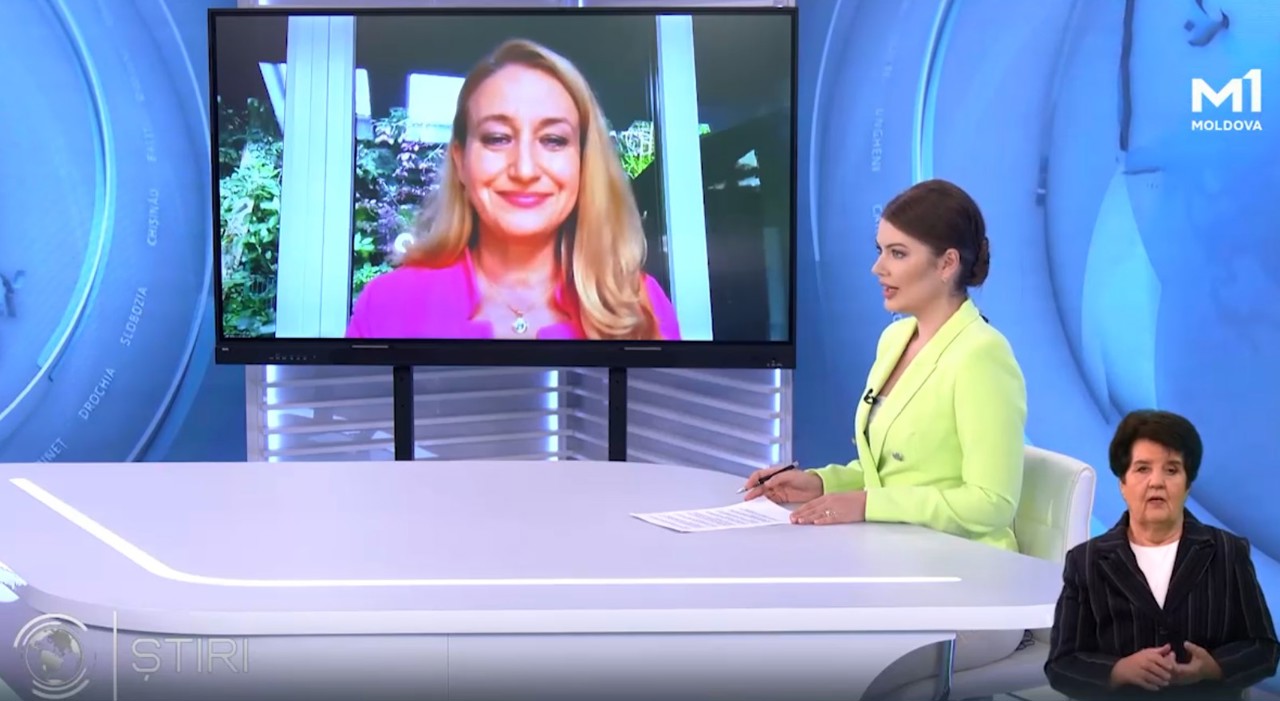
Speaking to state broadcaster Moldova 1, Ms Kühnel said such tactics are increasingly common in Romania and Germany. She cited examples of former intelligence officers collaborating with hostile powers and stressed the need for international cooperation to counter spy networks in European countries.
Hybrid warfare: Spying and sabotage
"In recent years, we've seen a more pronounced and widespread hybrid war on all fronts. This includes everything from overt manipulation and disinformation campaigns leading up to elections in Romania, Germany, and Moldova, to confirmed spy drone attacks and sabotage attempts recently uncovered—particularly in Western European countries. (...) In times like these, with so much at stake—such as the elections in Moldova—these attacks become more frequent and obvious. I believe our intelligence and counterintelligence services are on high alert and doing their job," Alina Kühnel said.
Referring to the recent arrest in Romania of Alexandru Bălan, the former deputy director of the Intelligence and Security Service (SIS), as well as the expulsions of agents and diplomats from Poland and the Czech Republic, the journalist warned about the danger and scale of this spy network.
"The network's scale is real, but we hope that counterintelligence services across Europe have identified the most important agents," the DW journalist added.
Kühnel suggested reviewing diplomatic relations with Belarus, given the hostile actions coming from states allied with Russia, because "espionage will continue."
"The question is: how important are the diplomatic relations of Moldova, Romania, and Germany with Belarus right now, given that we know who their allies are and in what direction these countries are heading. Of course, diplomacy should take precedence in most relationships, but I believe it shouldn't always be the most important path, especially when you see that such attacks, aimed at destabilising democratic European states, are originating from these countries," Ms Kühnel stated.
Targeting the diaspora ahead of Moldova's elections
Alina Kühnel emphasised the importance of international cooperation in countering multi-state espionage, warning of an intensification of hybrid attacks, especially against the diaspora.
"I believe the services in Moldova are on more than continuous alert because there is information that hybrid warfare will intensify in the coming weeks. Many of the targets will be Moldovans in the diaspora, where, in addition to manipulation, they will attempt actions like bomb threats at polling stations or protests to highlight dissatisfaction with the political situation in Moldova. Therefore, these actions reveal to voters the true stakes of these elections for Moldova, both for Moldovans at home and in the diaspora," she said.
Former SIS deputy chief Alexandru Bălan was arrested in Romania on 8 September. He is accused of leaking state secrets related to Romania to KGB officers from Belarus, a structure loyal to the Kremlin. He has been placed in preventive detention for 30 days.
On 9 September, the Czech Republic and Poland announced they had expelled two Belarusian agents, including a diplomat, who are allegedly part of a broad intelligence network created by Belarus in Europe. Subsequently, Moldova's Ministry of Foreign Affairs declared a staff member of the Belarusian Embassy in Chișinău persona non grata.
According to Prime Minister Dorin Recean, Bălan's arrest is part of a joint plan to prevent Russian interference in the elections of Moldova and other European states.
Translation by Iurie Tataru