Three out of four buildings in the Republic of Moldova are old and waste energy
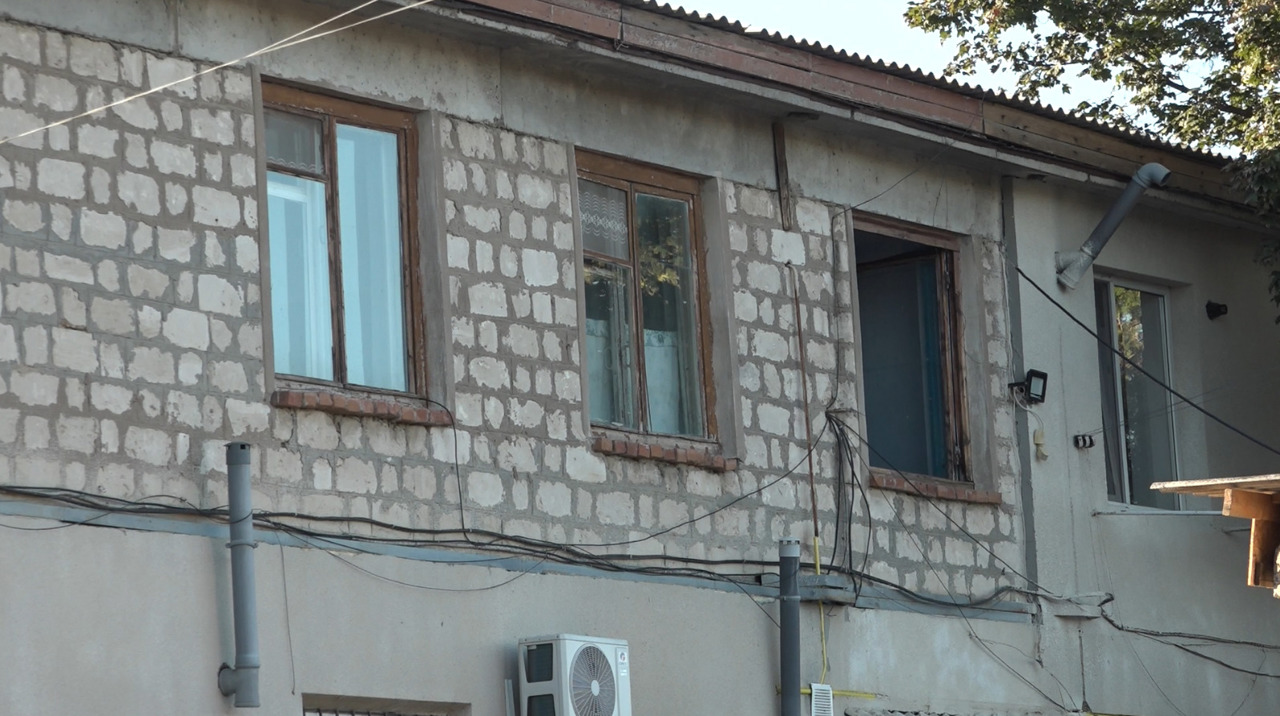
Around 75 percent of residential buildings, schools, and hospitals in the Republic of Moldova were constructed over 40 years ago and are energy inefficient. Thermal energy losses can exceed 60%, leading to higher utility bills. To address this issue, the government plans to implement a gradual building renovation strategy, which is expected to be completed by 2050.
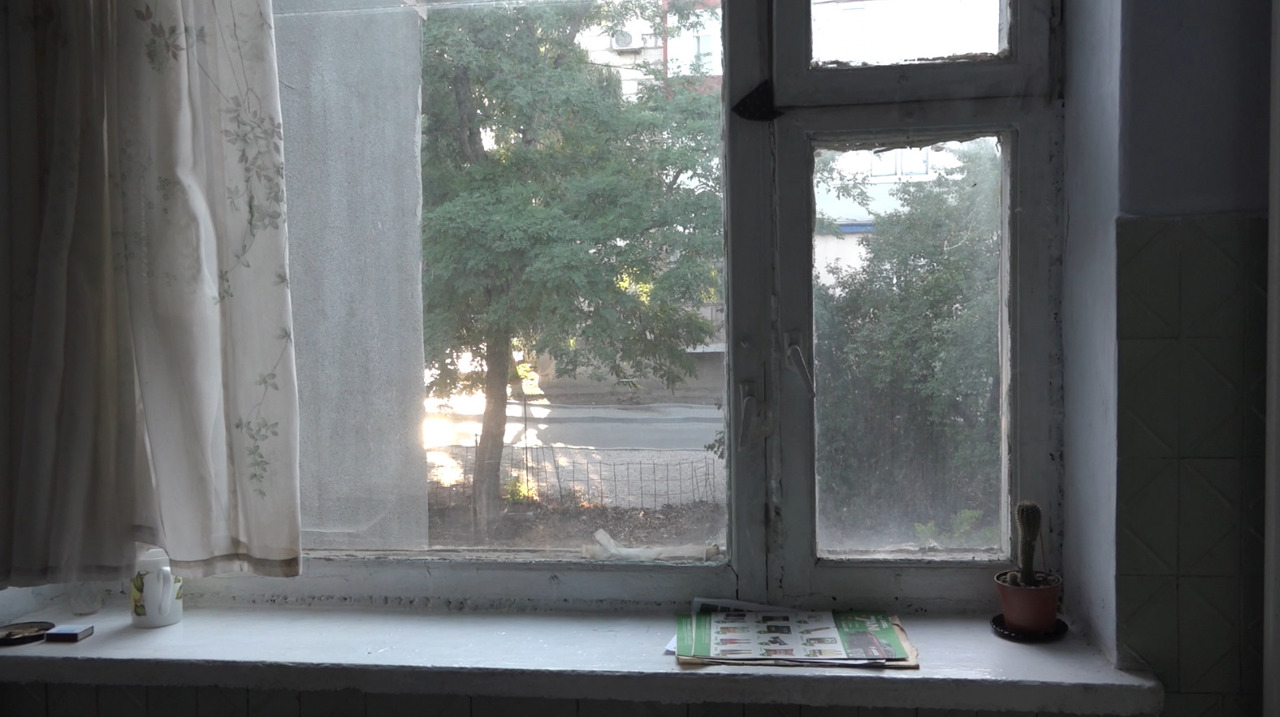
Zinaida Cozlova lives in Comrat in a house built in 1970. A few years ago, she and her neighbors managed to renovate the old roof, but they have not yet replaced the doors and windows with more energy-efficient ones.
"The wind blows through the windows and the door. As a result, I have to use the boiler more often, which leads to higher expenses and more costly heating," says Zinaida Cozlova.
She believes it is essential to enhance building efficiency in order to minimise energy losses.
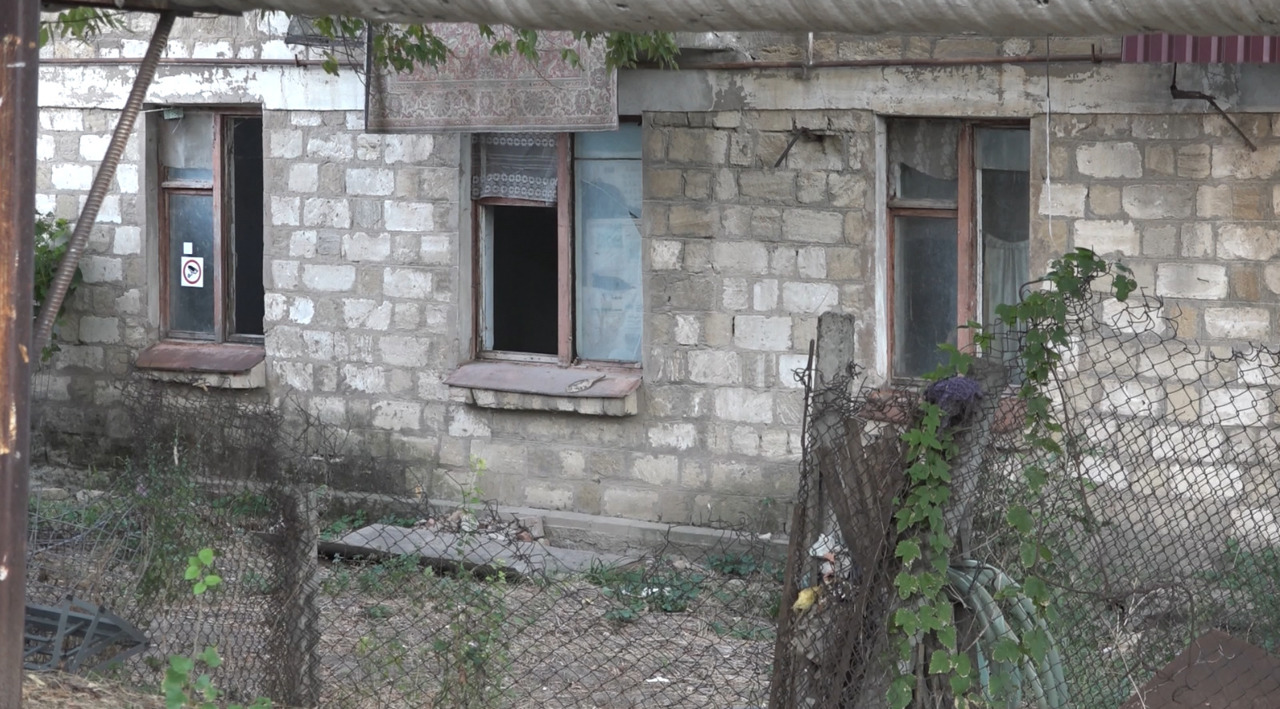
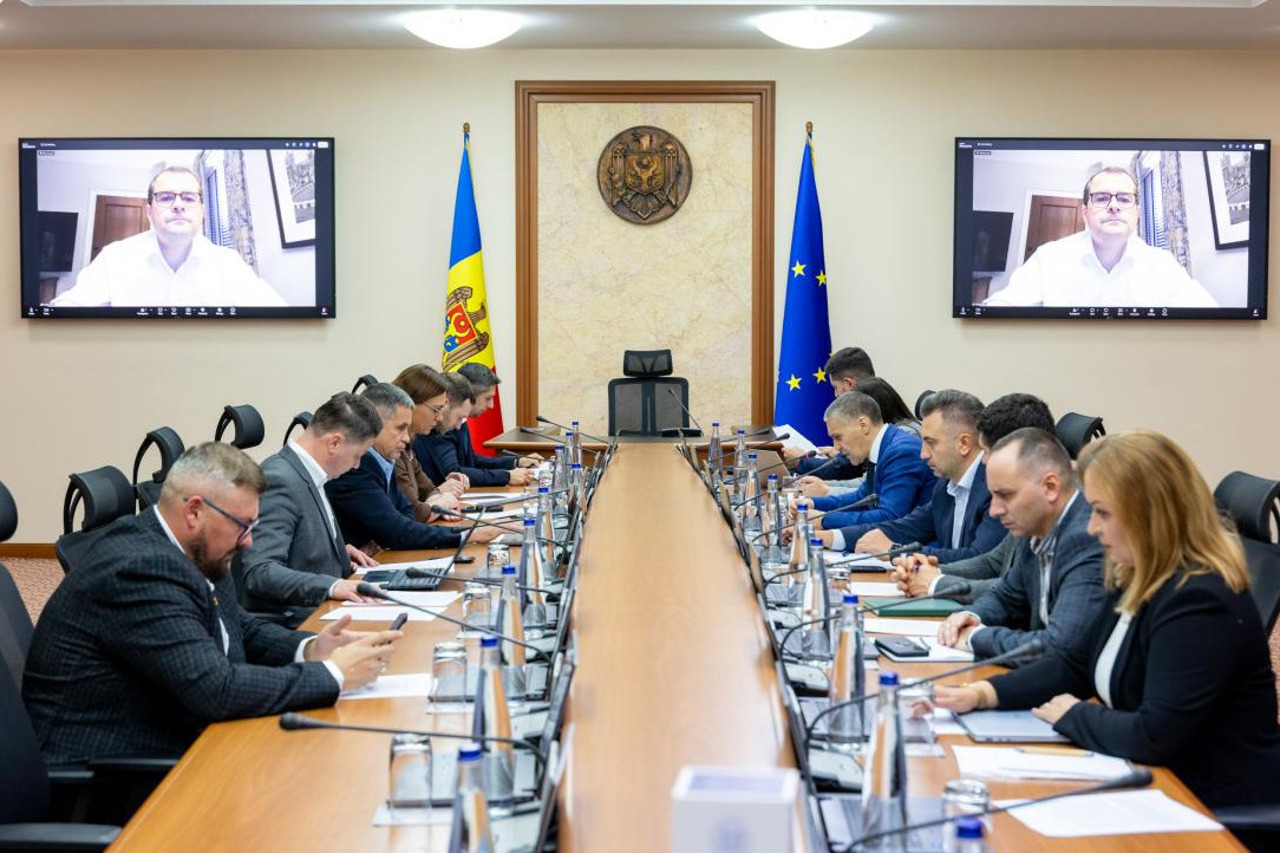
The Government's strategy provides for renovations and investments to increase the energy efficiency of buildings.
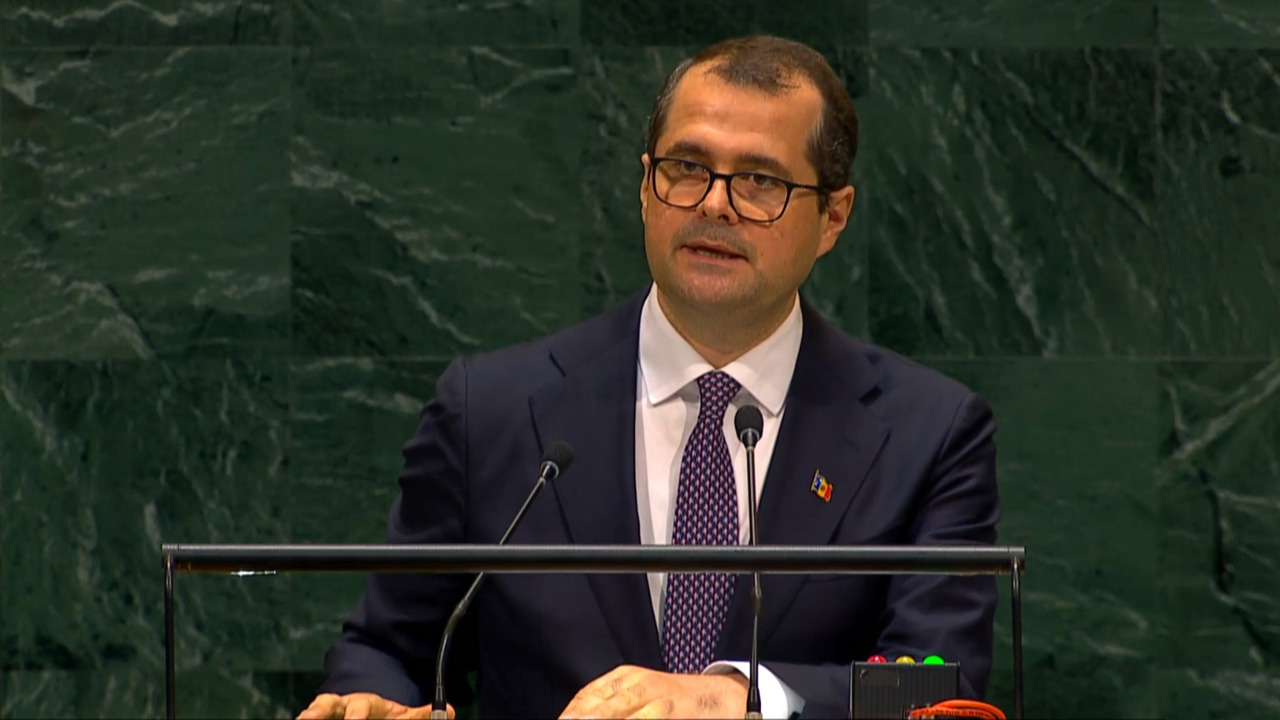
"Energy audits, which have already been carried out in certain blocks, highlighted the fact that the blocks in question lose about 50-60% of their energy. This strategy presents us with the picture of how we will renovate, what investments we need to renovate the resident fund, by 2050", said the Minister of Energy, Dorin Junghietu.
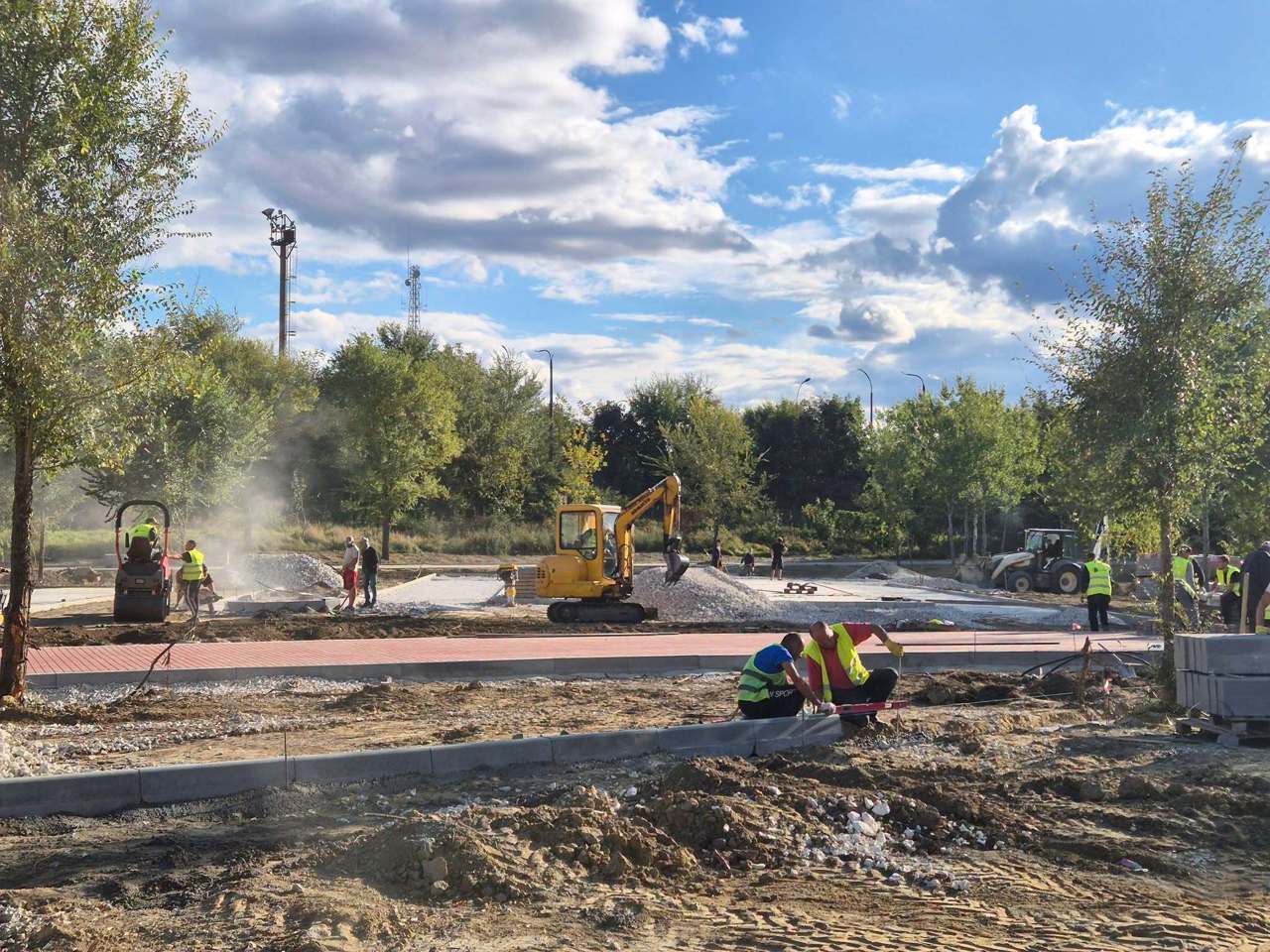
The strategy provides for measures such as thermal insulation of walls and roofs, modernisation of heating and ventilation systems, replacement of energy-inefficient windows and doors, as well as other works aimed at increasing indoor comfort and reducing climate impact. Their implementation would require 4.3 billion euros.
Moreover, they could be completed earlier than 2050, experts say.
"Everything depends on the budget. In our case, we depend on the budgets allocated by companies or, more accurately, on European funds, which help us increase our energy efficiency. Let's talk concretely. The Green House project, which was recently launched, the funds were divided. How does it work? The final beneficiary comes with his own contribution of 25-30%, the state provides the rest", explained Valeriu Meșină, expert in energy efficiency.
Currently, the Government has identified financial resources from the state budget, external sources, and private investments, worth approximately 405 million euros, or one-tenth of the necessary amount.
In the long term, the Executive will continue to attract external funds and will create mechanisms to stimulate the involvement of the private sector.