Moldova eyes major administrative overhaul by 2026
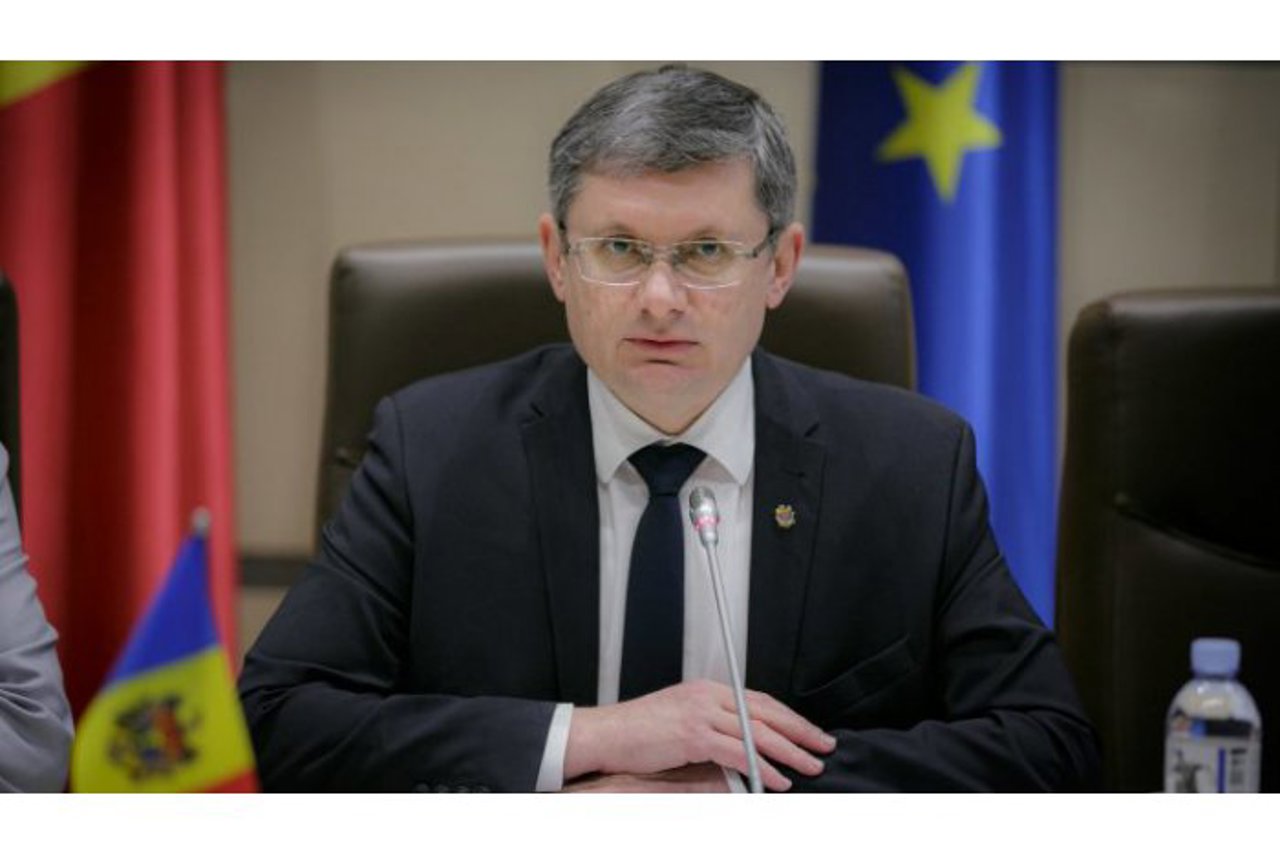
The planned administrative overhaul in Moldova could be implemented from next year, before the 2027 local elections, according to Igor Grosu, the Parliament Speaker and leader of the ruling Party of Action and Solidarity (PAS).
Mr Grosu said the decision must be adopted in 2026 so that future mayors and local councilors are already elected in the new administrative units. He stressed that the overhaul was crucial for efficiently managing public funds and delivering high-quality public services.
He told Jurnal TV that mayors and citizens had raised the issue of reform with him "constantly during the election campaign."
"The local elections are in 2027. That is our deadline. We will be busy with the Budget Law and other legislation until the end of the year. In 2026, we must make the decision, responding not only to our commitment but to multiple requests. If you apply the reform, you must apply it then, because the next mayors and councilors must be elected in the new realities," said the PAS leader, whose party secured a parliamentary majority in the elections on September 28.
The official added that the name of the future administrative units – whether they will be districts or regions – mattered less than how public services would be organised and optimised.
"We will discuss it. The names matter less here," the Speaker noted.
"Reform must not be rushed"
Viorel Furdui, Executive Director of the Congress of Local Authorities of Moldova (CALM), argues that Moldova needs authentic reforms with a real and lasting impact. He told Teleradio-Moldova that the administrative overhaul must not be viewed in isolation, but as part of a broader public administration reform. He insisted that any overhaul must result from a thorough analysis and the broadest possible societal consensus.
Mr Furdui said Moldova's experience had not been positive, noting that previous, rushed reforms had led to negative consequences that persist today.
"Without the involvement of all these actors—civil society and the academic community—an effective, real local public administration reform, not copied and brought from elsewhere and implemented by force, risks repeating the mistakes made over the years, which have actually led to the discrediting of this reform," the CALM director stated. He added that the speed of the current path towards the European Union made careful implementation even more important.
He confirmed the European Union does not impose an administrative overhaul but requires the streamlining of public administration.
"How we reform state institutions, public administration, must be the result of an internal discussion and internal decisions. They must, however, be based on a broader consensus and a thorough approach to the situation," he mentioned.
The CALM representative warned that any hasty step could seriously destabilize the country's social and political situation, given the "extraordinarily profound and important reform that affects all residents."
The reorganization must not be reduced solely to the number of administrative units or the reduction in the number of mayoralties. "This reform is important not only from a territorial standpoint but also in terms of the decentralization of competences, the allocation of resources, and the change in the public administration financing structure," he explained, adding that cultural, ethnic, economic, and social aspects must also be considered.
Mayor: Investments must follow reform
The mayor of Gangura commune in the Ialoveni district (raion), Marcel Bobeica, supports a genuine public administration reform but insists it cannot be reduced to the simple merger of mayoralties.
The mayor noted that the real purpose of the reform must be to increase the quality of services offered to citizens and the development of local communities.
"The goal of a reform must be to offer the citizens quality and quicker services. The citizen should not encounter problems due to being forced to travel a few extra kilometres, or remaining with the same defective water and sewage services, with inefficient administrative services, with deteriorated roads, or with deficiencies in the educational system," Mr Bobeica declared.
He added that the reform must be accompanied by investments in infrastructure and the consolidation of local public administrations’ capacities. The overhaul must ensure the citizen's right to travel on good roads with modern transport and eliminate situations where people must travel long distances on poor roads to obtain simple documents.
The mayor of Gangura also highlighted the risk of affecting public access to essential services. "There are localities where, from one village to the next, there are 11 km, and children are forced to go to kindergarten, to school. Can you imagine, after the reform, we increase that, we add another 15 km?" he exemplified.
Mr Bobeica maintains that the reform must be discussed widely with the public and experts to avoid past mistakes: "The reform must lead to improved services and an increased level of public satisfaction."
Translation by Iurie Tataru