Moldova teacher shortage: Why 700 posts remain vacant
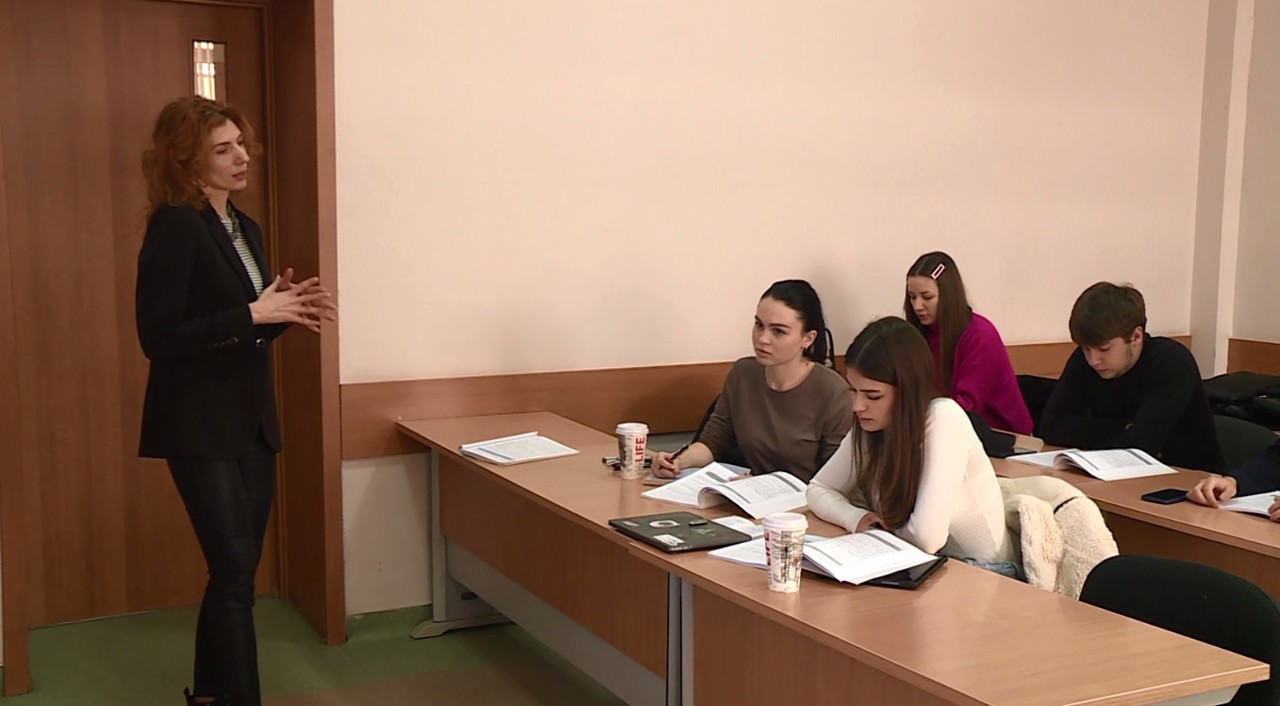
The teacher shortage remains a challenge for Moldova's education system.
Currently, over 700 posts are vacant, even though 426 young specialists have been employed in schools and kindergartens—an increase of over 130 compared to three years ago. The Ministry of Education and Research says the rise is the result of a joint effort involving universities, the Institute of Education and Leadership, schools, and experienced teachers.
Higher incentives and mentoring
During the "Public Space" show on Radio Moldova, Marcelina Baleca, Head of the General Directorate for General Education Policies, mentioned the increase in the incentive/starter grant for graduates who take teaching jobs, from 120,000 to 200,000 lei. The extensive "Fii Pro" (Be Pro) mobilization campaign for young specialists was also run. "We have developed a mentorship system. Today we have a network of mentors who support our new recruits," the Ministry official emphasised.
However, the influx of young people does not fully address the shortages. Approximately 22% of the teaching staff—4,000 teachers out of a total of 26,000—are of retirement age. The shortage is most severe in core subjects like mathematics, physics, and chemistry. Many teachers are overburdened, working more than full-time or even double shifts/load to fill the vacancies.
"We also see teachers moving between institutions, for example, from a district centre to a village. Many districts even offer transport. I have also seen efficient collaboration between institutions and universities, with final-year students helping to fill these posts," Ms Baleca added.
Attracting new talent
Around 1,700 high school graduates chose pedagogy this year. Even though the minimum admission grade was increased, the number of enrolled students did not drop. "Our goal is not to have fewer students choosing pedagogy, but better ones," the Ministry official noted. Authorities have doubled the scholarships for pedagogy students (from 1,638 lei to 3,460 lei) and are investing in dormitories and universities to encourage graduates to remain in the system.
Model Schools are another strategic project, expanded to 90 institutions with modern infrastructure and high-performing staff. These are designed to attract students from multiple localities, even if the distance from their local village school is greater. In rural areas, there are classes with fewer than 10 students, and over 100 schools have fewer than 50 children. The MEC is optimising resources and offering support programmes to attract teaching staff to these areas.
Furthermore, school cafeterias receive 200 million lei in funds for free meals for children in grades 1–9.
Translation by Iurie Tataru