EU implements new EES system: Moldovans are subject to biometric border checks
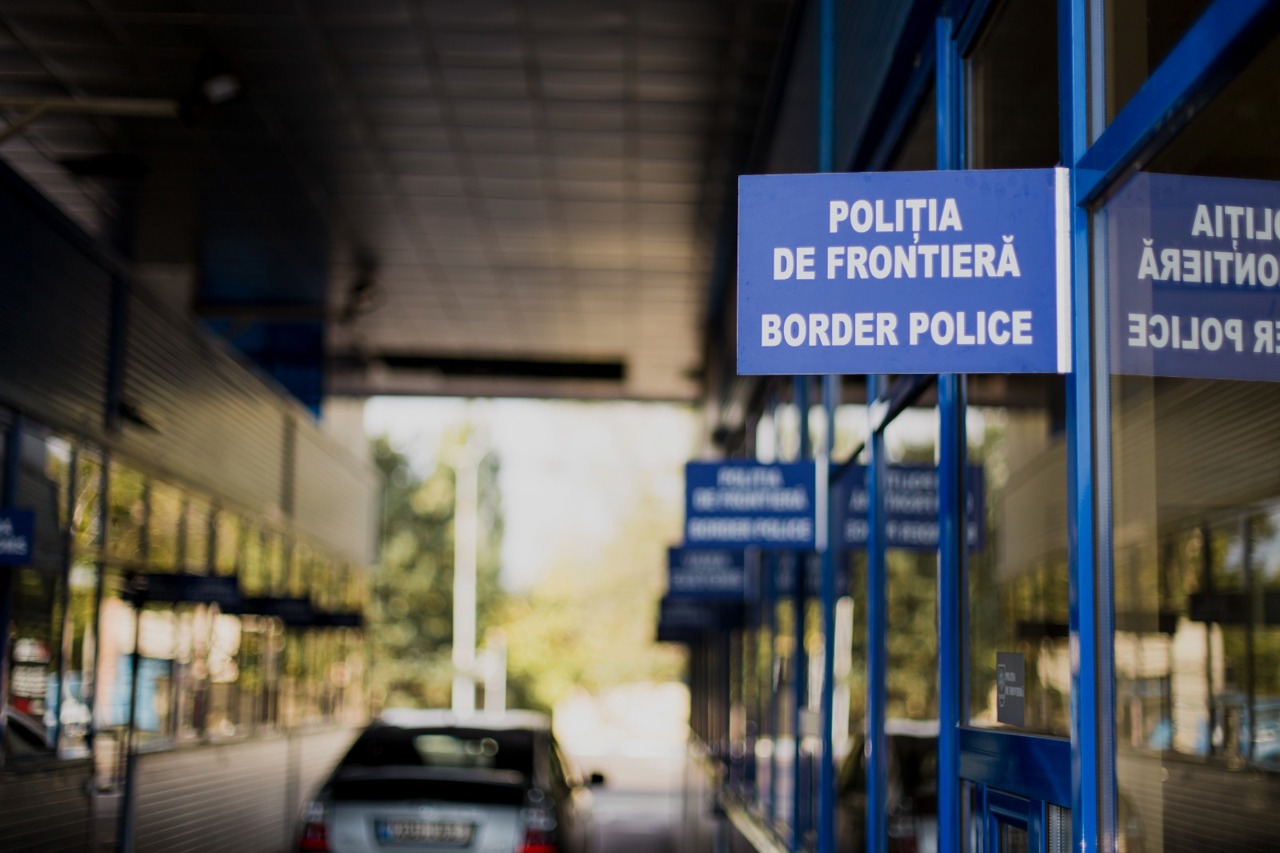
Beginning Sunday, October 12, citizens of the Republic of Moldova traveling to the European Union will utilize a new electronic border control system called the Entry/Exit System (EES), which automatically records travel data, facial images, and fingerprints.
The Ministry of Foreign Affairs (MFA) informs that the Entry/Exit System (EES) has become operational at the European Union level since October 12. The new mechanism operates at all external borders of the EU – land, air and sea – and is applied to citizens of third countries, including the Republic of Moldova, who make short stays of up to 90 days in any 180-day period.
The EES system is designed to automatically record the date and place of entry and exit from the Union, collect alphanumeric and biometric data (facial image and four fingerprints), and calculate the duration of legal stay. Its implementation aims to modernize and streamline border control, strengthen security in the Schengen area and prevent illegal stays.
The system's introduction is being carried out gradually, with full implementation planned by April 10, 2026. During the transition period, estimated at approximately six months, passports will continue to be stamped manually, the MFA reports.
Upon first entry into the EU after the activation of the EES, biometric data are collected manually, and on subsequent trips the verification will be done automatically, which should reduce waiting times. Children under 12 years of age, persons for whom fingerprinting is impossible, and holders of residence permits or long-term visas issued by an EU member state are exempt.
The ministry emphasizes that the visa-free regime for citizens of the Republic of Moldova remains unchanged. However, it urges travellers to allocate additional time for border formalities, check the validity of travel documents, and avoid overly short stopovers, as the data collection process may take longer.
The institution also recommends that, before traveling, citizens check updated information on the websites of border authorities and embassies of the EU member states they intend to enter.