Chișinău experts: European plan is Ukraine’s most realistic route to peace; Russia must negotiate

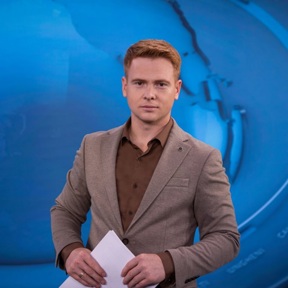
The European peace plan for Ukraine, proposed by Great Britain, France, and Germany, is both realistic and beneficial for the neighboring country, according to international relations expert Grigore Guzun. During the show "IN CONTEXT" on Moldova 1 TV, he pointed out that Russia shows little interest in negotiating an end to the war in Ukraine.
Grigore Guzun stated on Moldova 1 TV that it is important to recognize that there are two distinct positions even within Donald Trump's administration regarding the situation in Ukraine. He noted that European nations are actively involved in seeking a just peace for Ukraine. According to Guzun, the plan proposed by the three European states is the most beneficial for Ukraine. He emphasized that the Russian Federation is currently not interested in reaching a peace agreement, as President Putin continues to seek further territorial gains and to inflict harm on Ukrainian civilians. In contrast, the Europeans are striving for peace, highlighting the need for discussions between Europe and Ukraine, in coordination with the Trump administration.
Guzun stressed that in the medium term, Moscow will have to engage in negotiations, despite its current refusal to compromise. "Ultimately, Russia will have to accept negotiations. It was anticipated that the Russians would not agree at this stage. However, after analyzing both proposals, it is clear that the plan suggested by the European countries is the most advantageous for Ukraine. This aligns with what a just peace should look like. Many points in the Trump plan, which were leaked to the media, are simply absurd. Therefore, the European plan aims to give the negotiation process a more realistic framework. We also see that Marco Rubio's position, as the U.S. Secretary of State, is positive, along with the stance taken by Andrii Yermak, head of the Ukrainian presidential administration," Guzun explained.
He anticipated that Marco Rubio's statements would significantly influence Donald Trump's final position, as the State Department serves as the primary channel of influence. Guzun noted, "I even noticed Trump's comments indicating that the current plan is not the final version. This week, Zelensky will head to Washington for discussions with Trump to review the outcomes of Rubio's conversation with Yermak."
Regardless of the eventual terms of a potential peace agreement, Guzun insisted that Ukraine must maintain its sovereign right to develop its armed forces. History has shown that written guarantees are not always sufficient. "One critical aspect is that Ukraine must independently determine the capacity and size of its military. Past experience indicates that security guarantees do not always deliver the anticipated level of security. Consequently, Ukraine should continue to strengthen its military forces, regardless of behind-the-scenes discussions or promises. We want Ukraine to be capable of defending itself against Russian aggression and to achieve a lasting peace that adheres to international law. Otherwise, we risk descending into chaos," Guzun concluded.
The 28-point peace plan initially proposed by the United States called for territorial concessions, military limitations, and a renunciation of NATO aspirations for Ukraine. In contrast, the 24-point European "framework document" would provide Ukraine with a more balanced position.
On November 24 in Geneva, the United States, France, Germany, the United Kingdom, and Ukraine announced the completion of an updated "framework document" regarding a potential peace agreement.
Ukrainian President Volodymyr Zelensky stated that progress had been made but emphasized that more efforts were needed for "real peace" with Russia. He indicated that he would travel to Washington to advocate for his case.
Meanwhile, the Kremlin claimed that it has not received official information about the talks, although it acknowledges that changes have been made to the document under discussion.