Rutte issues warning post-NATO meeting: “Moldovan airspace violations by Russia are unacceptable”
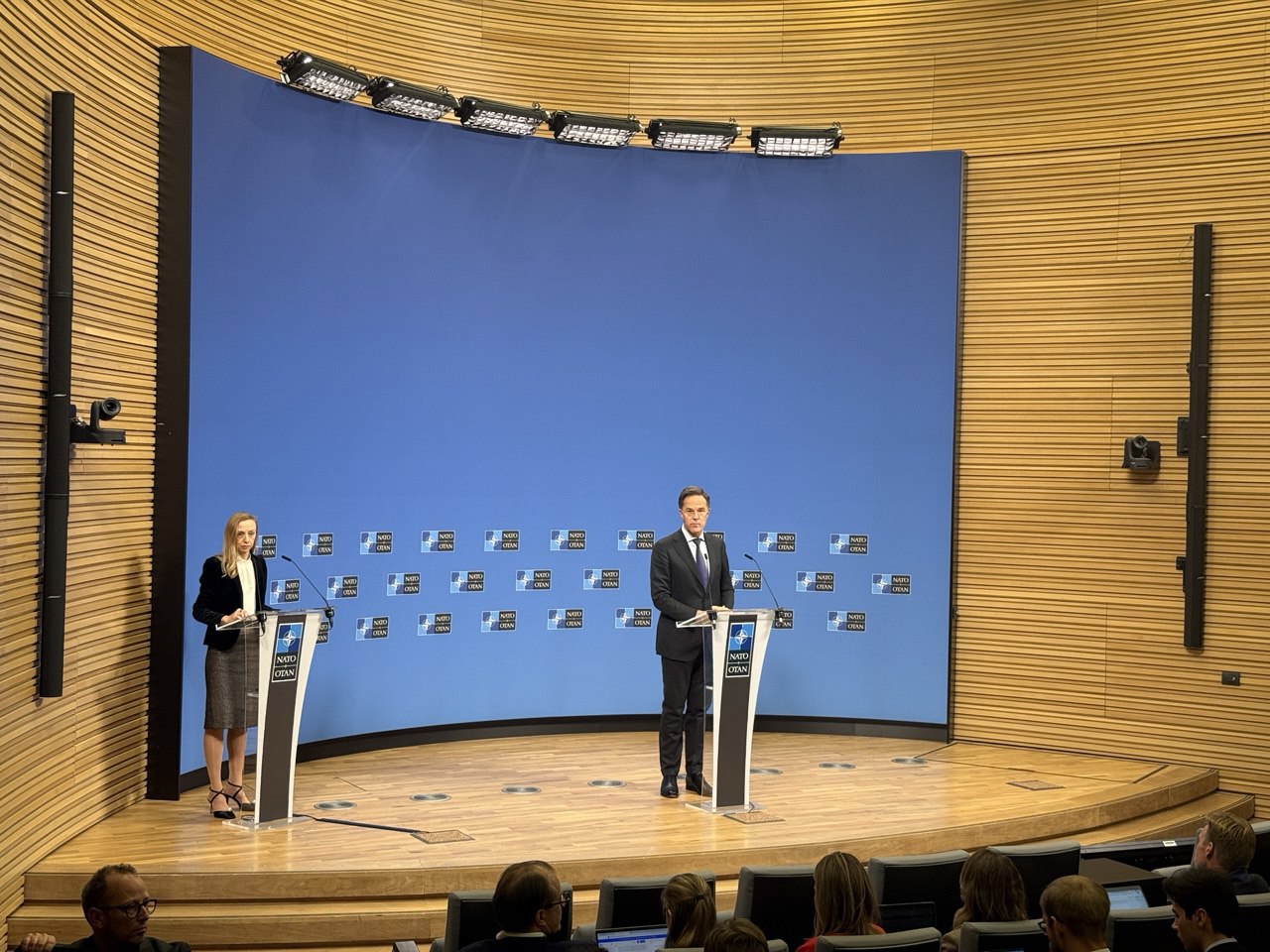
NATO is carefully monitoring the security situation in the Republic of Moldova due to repeated violations of its airspace by Russian drones. The Secretary General of the North Atlantic Alliance, Mark Rutte, described this behavior as "irresponsible and unacceptable." On December 4, Rutte emphasized that NATO, along with the Republic of Moldova and neighboring allied states, particularly Romania, are working "closely" together to address the growing risks to the civilian population.
When asked about specific measures to protect Moldovan airspace, Secretary General Rutte refrained from sharing operational details but emphasized that NATO is actively cooperating with the authorities in Chisinau.
“We are trying to provide maximum support and clearly sending a message to Russia that this behavior is unacceptable,” he stated.
Regarding the recent comments from European diplomacy head Kaja Kallas concerning the withdrawal of Russian troops from the Transnistrian region as part of the peace negotiations on Ukraine, Rutte declined to comment, citing the sensitivity of ongoing discussions.
“I am very reluctant to go into details. Discussing this at an official conference would complicate the peace negotiations,” he explained, acknowledging that the process is led by the United States with the coordinated support of all allies.
Rutte's remarks followed a meeting of NATO foreign ministers, held midway between the June summit in The Hague and the upcoming meeting in Ankara. He warned that the alliance faces “real and lasting dangers,” heightened by the increase in Russian attacks on Ukraine as winter approaches.
He noted that Russia is expanding its aggressive behavior towards NATO, including airspace violations, cyber operations, and the deployment of spy ships to survey the maritime infrastructure of member states.
“These incidents underline the need for unwavering vigilance. We must respond with strength and unity,” Rutte asserted.
5% GDP target for defense and investment in advanced systems
The main focus of the meeting was to increase defense investment. European allies and Canada reported progress toward the goal set in The Hague—allocating 5% of GDP to defense, which includes the development of advanced air defense systems.
Rutte highlighted that military support for Ukraine is a vital part of this effort. Allies reported an enhancement of forces on the eastern flank, modernization of military equipment, and an increase in military training amid rising hybrid threats such as sabotage, cyberattacks, and disinformation.
During the NATO-Ukraine Council, ministers discussed the ongoing situation on the front lines and the Ukrainian army's urgent needs. Several countries, including Canada, Germany, the Netherlands, Norway, and Poland, announced new contributions to the Priority Military Assistance Program (PURL), bringing the total financial support allocated to this initiative to over four billion dollars, nearing the five billion dollar target.
Rutte emphasized the Alliance's goal to expedite aid for the winter and to plan support for 2026.
“Putin believes he can outlast us. But we are not going anywhere. We are increasing our support and pressure on Russia,” he said, mentioning measures against Russia’s “shadow fleet.”
In the lead-up to the Ankara summit, Rutte noted that NATO's priorities are clear: increasing defense investment, strengthening the defense industry, bolstering the eastern flank, and maintaining support for Ukraine.
“Nobody wants peace more than Ukraine, but until then, we must provide it with the necessary tools to defend its sovereignty,” he concluded.
"NATO is and will remain a defensive alliance, but we are prepared to do whatever is necessary to protect a billion people and every inch of allied territory,” Rutte stated at the conclusion of the NATO ministerial meeting held in Brussels on December 3.