Moldova stalls anti-corruption merger after Venice Commission warning
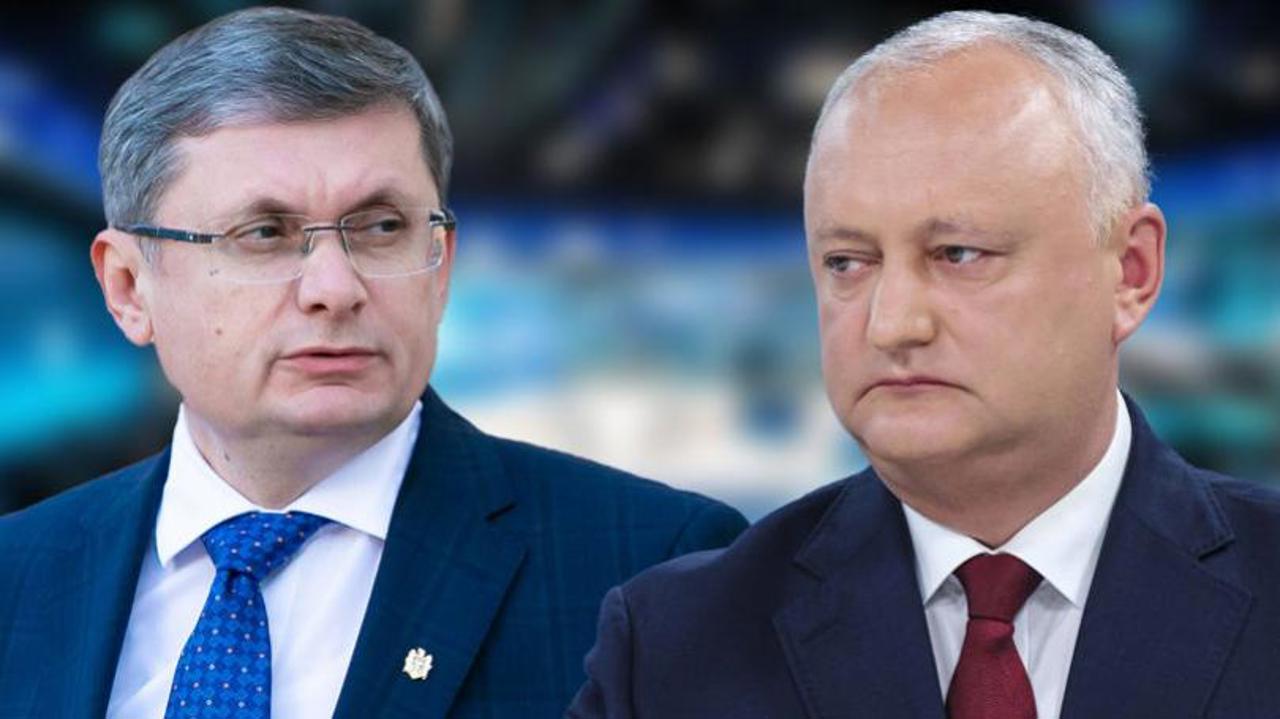
Moldovan authorities have launched broad consultations to decide the future of a controversial judicial reform that would create a unified Anti-Corruption and Organized Crime Prosecution Office (PACCO).
The move follows a sharply critical assessment from the Venice Commission regarding the plan to merge two of the country's elite specialized prosecution units.
The pro-Russian opposition has welcomed the international experts' findings, claiming the report validates their concerns that the legislative framework fails to align with constitutional standards.
"We will hold discussions involving the Superior Council of Magistracy, judicial regulatory bodies, and the affected specialized prosecution offices," Speaker of Parliament Igor Grosu stated on December 18. "We are analyzing all recommendations. The government is currently reconsidering the entire initiative, including the possibility of scrapping the merger or choosing an alternative path."
The proposed reform, initiated by the ruling Action and Solidarity Party (PAS), passed its first parliamentary reading in February 2025. The plan involves dissolving and dismantling the current Anti-Corruption Prosecutor’s Office (PA) and the Prosecutor’s Office for Combating Organized Crime and Special Cases (PCCOCS) to replace them with a single entity staffed by newly recruited prosecutors.
However, the Venice Commission warned that the reform is not backed by a sufficient evidence-based justification and carries "major risks." European legal experts noted that the overhaul could paralyze ongoing high-level investigations and jeopardize the independence of individual prosecutors.
Furthermore, the Commission concluded that the merger is unlikely to achieve its stated goals: tackling "hybrid crimes" such as electoral corruption, resolving jurisdictional disputes, or optimizing the use of state resources.
Instead of a disruptive structural overhaul, European experts recommended that Moldova focus on strengthening its existing institutions through targeted evaluations and less invasive reforms.
Translation by Iurie Tataru