"The EU and I": Marcel Spatari says Moldova 20% ready for EU accession
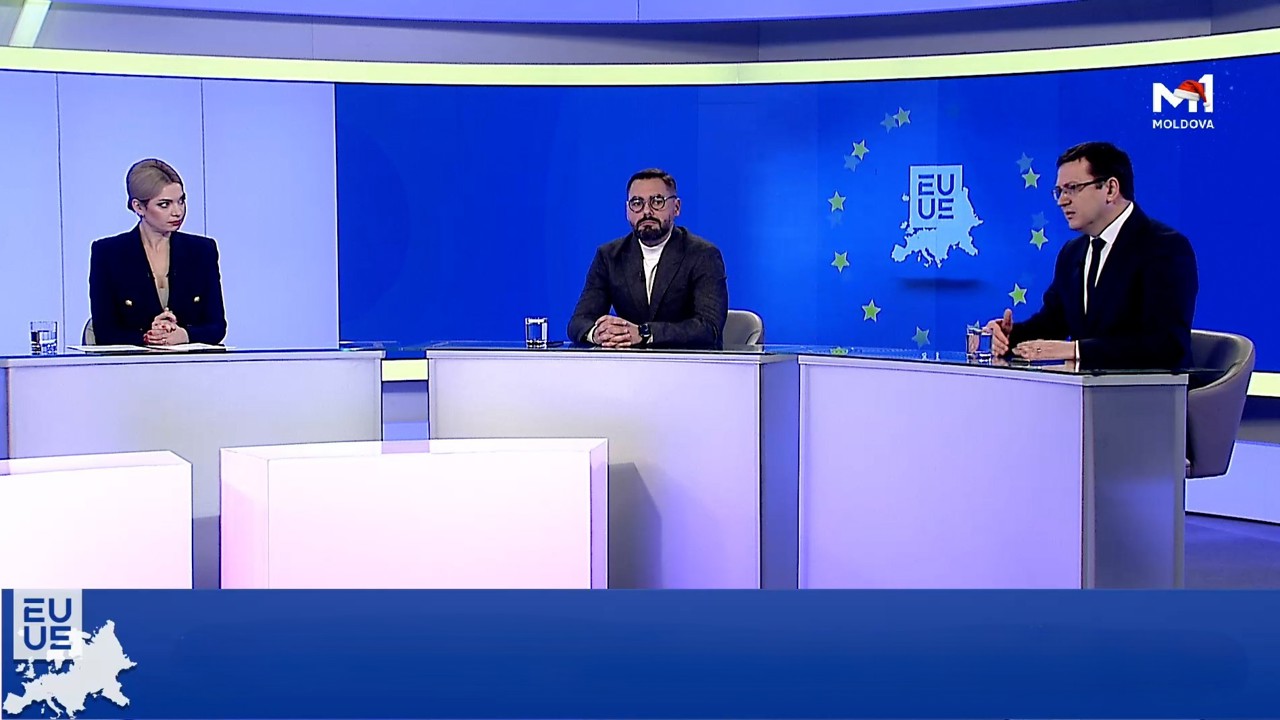
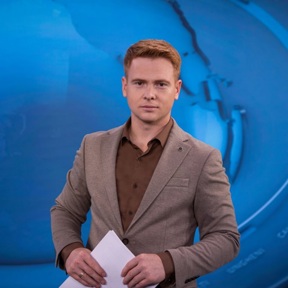
The Republic of Moldova is currently about 20% prepared for its accession to the European Union. The next two years will be crucial in turning political commitments into actual reforms. This statement was made by Marcel Spatari, the chairman of the Parliamentary Committee for European Integration, during the first edition of the show "The European Union and I," which aired on Moldova 1 on January 14.
“If you were to ask me today how prepared the Republic of Moldova is to join the European Union, I would say: 20%. My goal is to reach 80% in two years. No country that has joined was 100% prepared, which is why negotiations are necessary,” stated Marcel Spatari, deputy from the Action and Solidarity Party.
In the show on public television, the official emphasized that “no country that joined was completely ready, nor did they have all the necessary mechanisms in place at the time of their accession to the community bloc.”
He pointed out that while the Republic of Moldova may not be the most advanced candidate country, its pace of preparation is the fastest among all nations aspiring to European accession. “The European Commission has noted that Moldova has made the most significant progress in a single year compared to all other candidate states. This doesn’t mean we are the closest to the EU, but we are advancing quickly,” Spatari said.
According to the MP, Chișinău has made strides in closing the gap with countries like Montenegro and Albania, which began negotiations earlier. However, he warned that it is crucial to maintain this momentum amid a complex European context. “There is a window of opportunity. The EU is politically preparing for a new wave of enlargement, and we must be ready,” said the chairman of the Parliamentary Committee for European Integration.
Technical negotiations, despite political blockages
Spatari acknowledged that external political blockages, particularly regarding the “package” negotiations with Ukraine, are affecting the process. Nonetheless, he insisted that Moldova must be evaluated based on its own merits. “If accession is merit-based, then the opening of negotiations must also follow this principle. The European Commission has clearly stated that Moldova is technically prepared,” the MP emphasized.
Iulian Groza, the executive director of the Institute for European Policies and Reforms (IPRE), added that the accession process should be viewed as a structural transformation, where reforms are more significant than the formal pace of negotiations. “Accession negotiations are a long-term process involving continuous transformations and adjustments,” Groza stated during the show "The EU and I".
According to the expert, the EU continually assesses not only the legislative framework but, more importantly, the practical implementation of reforms in key areas. “The EU pays close attention to how reforms are executed. It is not sufficient to simply adopt laws; what matters is whether they are implemented effectively and yield tangible results,” Groza explained.
He highlighted that reforms related to justice, public administration, and market economy are crucial throughout the negotiations and are monitored annually using clear indicators. “The chapters concerning fundamental values remain open until the end of negotiations and are evaluated continuously. This is where the true capacity of the state is demonstrated,” the expert noted.
In this context, he emphasized that for the EU, it is essential for state institutions to function stably, predictably, and professionally, regardless of political cycles. “For the EU, the stability and effectiveness of institutions, as well as the administration’s ability to deliver results rather than just commitments, are extremely important,” Groza concluded.
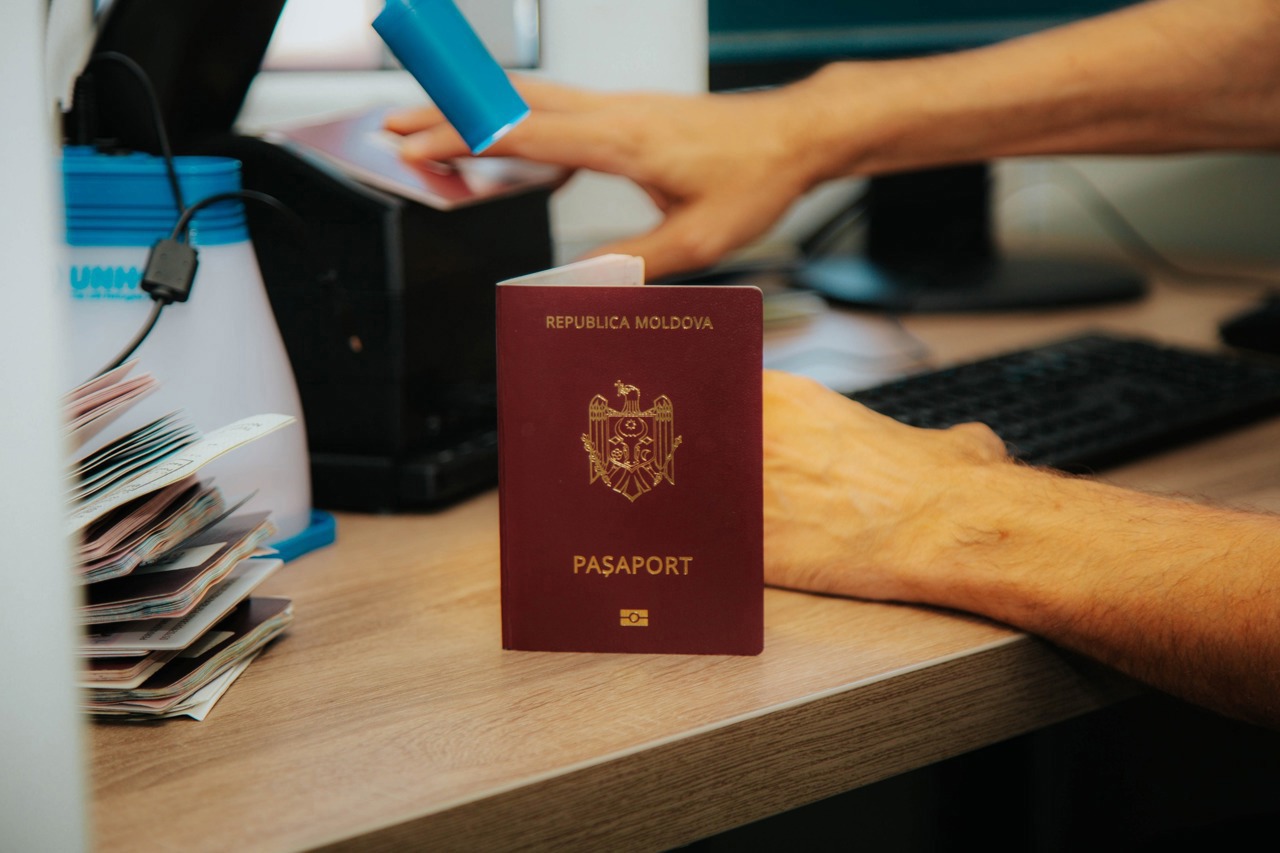
At the end of last year, the Republic of Moldova received the green light to commence technical accession negotiations on the first three clusters, which focus on fundamental values, the internal market, and foreign policy. This allows the European Commission to monitor Moldova's progress.
The authorities in Chișinău aim to conclude the negotiations by 2028, with actual accession targeted for 2030.