Moldova slashes energy costs by €1.5 million via Norway-funded EcoVoucher initiative
Replacing old, energy-intensive appliances with high-efficiency models through the EcoVoucher program is projected to generate annual savings of 8 million kWh. This reduction translates into approximately €1.53 million (approx. 30 million MDL) in financial savings, according to the National Center for Sustainable Energy (CNED).
In the past year alone, appliances upgraded through the program saved an estimated 5.4 million kWh. Beyond financial gains, the initiative significantly reduced carbon emissions by nearly three tons in 2025, bolstering Moldova’s environmental protection efforts.
A streamlined circular economy model
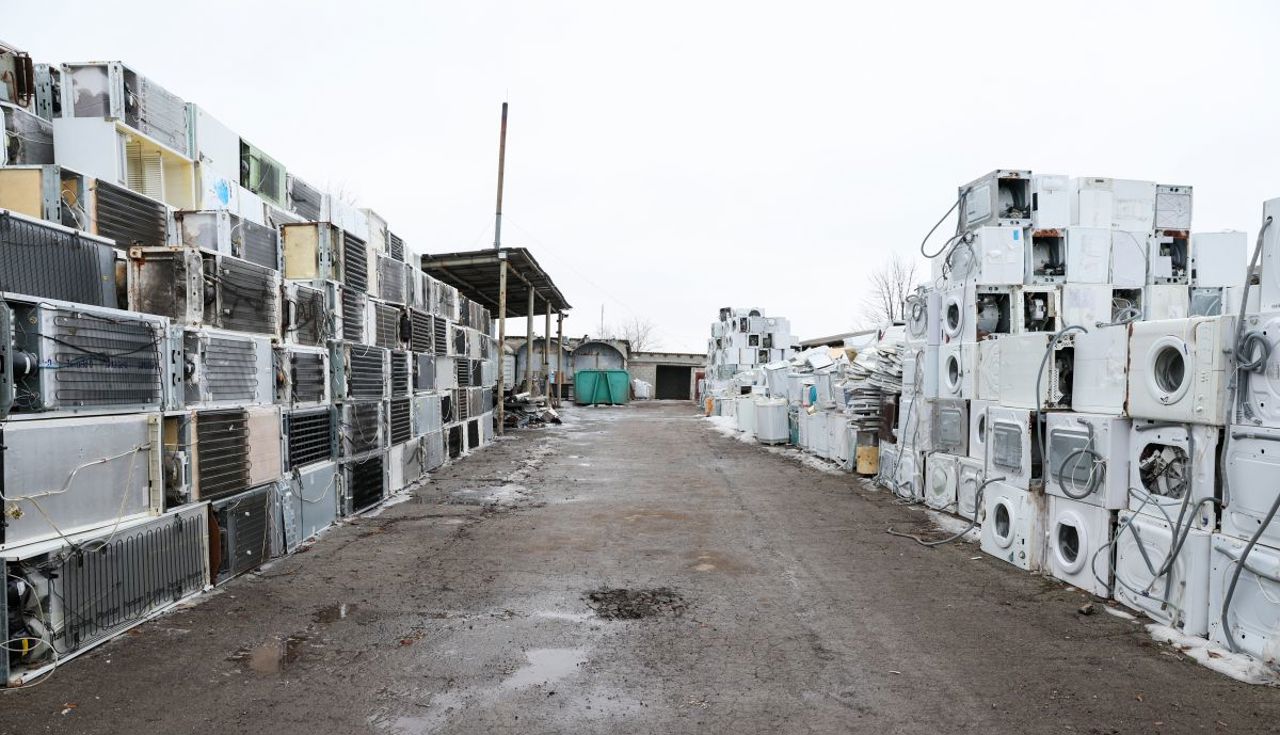
The program effectively prevents environmental pollution by collecting obsolete equipment directly from households. Partner retailers pick up old appliances, which are then handled by five authorized operators under the Extended Producer Responsibility (EPR) system.
Since its inception, the EcoVoucher initiative has successfully collected over 2,000 tons of waste electrical and electronic equipment (WEEE). Currently, one treatment center holds 400 tons of devices, with 70% originating from this program.
International recycling standards
Environmental specialist Denis Macovschi of the PRO REP UP Association emphasized that professional recycling ensures hazardous components are neutralized. This process allows reclaimed materials to enter the circular economy as new products.
In 2025, the program accounted for 70% of all e-waste reaching national treatment centers. These items are subsequently shipped to specialized facilities in Romania for recycling, ensuring compliance with strict international environmental standards.
Impact by the numbers
During the past year, 25,564 units were replaced and recycled, including 12,018 refrigerators and 13,546 washing machines. To date, the program has processed a total of 40,033 large household appliances.
The 2025 edition of the EcoVoucher program is supported by Norway with a budget of nearly €7.5 million. Citizens can find authorized waste operators through the Environment Agency’s official "List of Producers."
Institutional framework
Developed by the Government of Moldova with EU financial support, the program is currently implemented by CNED under the "Energy Efficiency and Renewable Energy for Moldova" (E4M) project.
The E4M project is managed by GIZ in partnership with the Moldovan Government. It is funded by Germany and co-financed by the European Union, Norway, and Denmark.
Translation by Iurie Tataru