Moldova lowers voting threshold for Vetting members amid EU accession risks
Civil society and legal experts are warning of potential unconstitutionality and a negative backlash from Brussels following a sudden change in the appointment process for the Vetting Commission. The controversy arises as Moldova negotiates its European Union accession, where judicial integrity remains a non-negotiable benchmark.
The ruling PAS party recently lowered the parliamentary voting threshold to appoint international experts from 61 votes (a three-fifths majority) to a simple majority of 51. This move was designed to bypass a deadlock after previous attempts to appoint experts Bernard Lavigne and Herman von Hebel failed to secure opposition support.
Concerns over "single-use" legislation
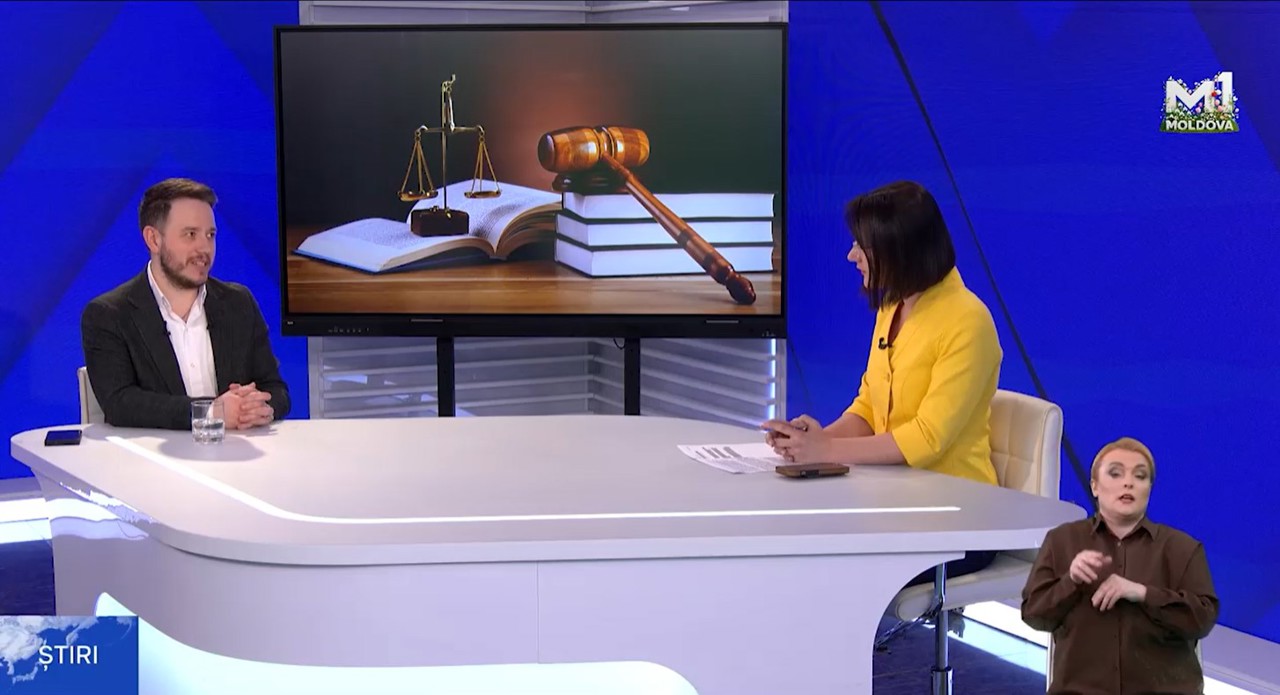
Legal expert Alexandru Bot criticized the urgency of the amendment, arguing that the sudden shift undermines legal predictability. He suggested the law has become "single-use," adapted ad-hoc to satisfy political requirements rather than institutional stability.
Bot further noted that this procedural shortcut could be a "systemic taint" on the entire reform. He warned that any future successes of the Vetting Commission might be overshadowed by the contentious manner in which its members were appointed, potentially benefiting "toxic individuals" within the system.
Impact on EU accession negotiations
Iulian Groza, Executive Director of IPRE, emphasized that such legislative interventions without consulting the Venice Commission or the European Commission trigger "red flags" in Brussels. He noted that the amendment was introduced only 24 hours before taking effect.
The lack of prior consultation may force the European Commission to perform additional scrutiny of Moldova's progress on Chapter 23 (Justice and Fundamental Rights). Groza warned that while the government seeks speed, it risks creating new obstacles for the very accession process it aims to accelerate.
Government defends the "unblocking mechanism"
Defending the move, PAS MP Igor Chiriac stated the initiative is a legal mechanism to prevent the vetting of prosecutors from stalling. He argued that international recommendations support the existence of "deadlock-breaking" procedures to ensure reforms continue.
Following the legislative change on March 5, the Parliament successfully appointed the two international experts with 53 votes. However, the parliamentary opposition has already challenged the move at the Constitutional Court, citing procedural violations and a lack of transparency.
Translation by Iurie Tataru