Skepticism in Tiraspol over convergence fund: Decisions made outside negotiations “do not work”
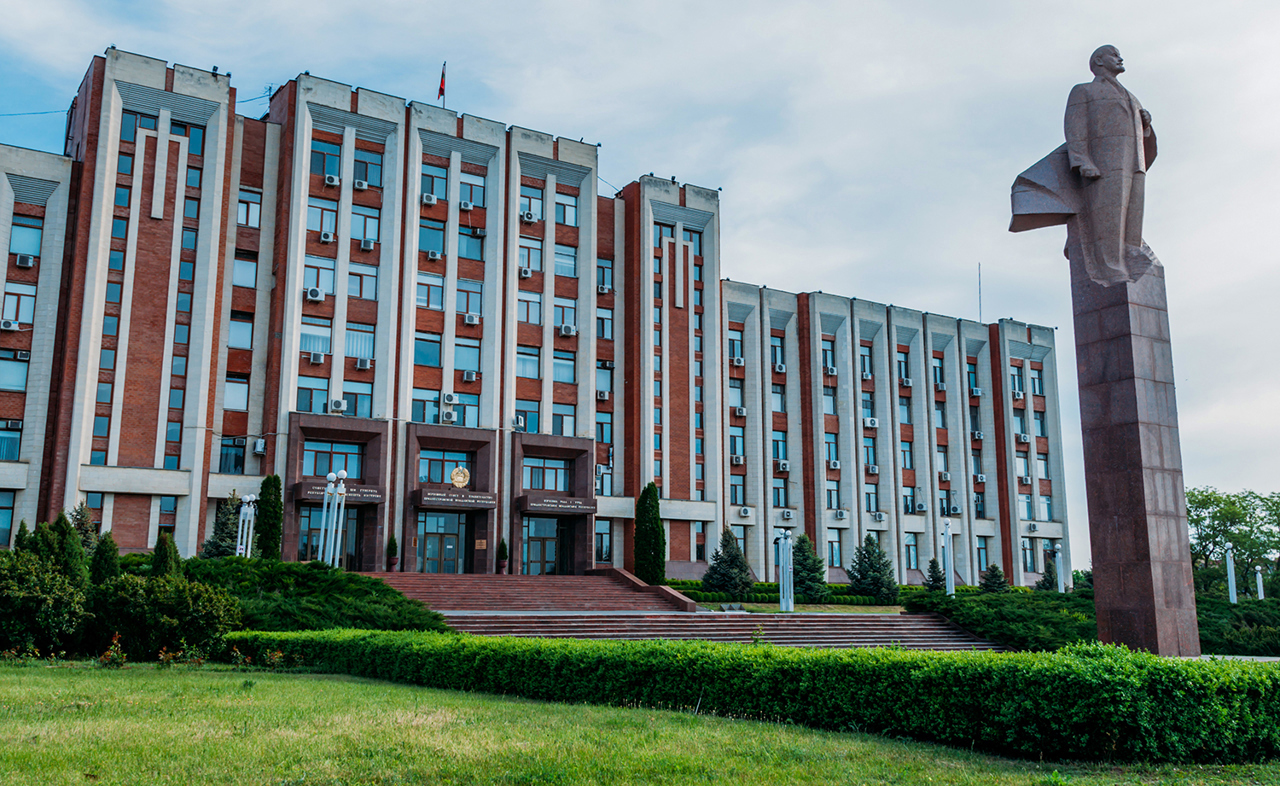
Vadim Krasnoselski, the separatist leader from Tiraspol, has expressed his welcome for the resumption of negotiations with Chisinau. However, he remains skeptical about the proposal put forward by the constitutional authorities of the Republic of Moldova to establish a convergence fund aimed at fostering closer relations between the two banks of the Nistru.
In an interview with the Russian news agency TASS, Vadim Krasnoselski emphasized that without the direct and constructive involvement of the Transnistrian side, any initiative risks being ineffective.
“We will study, discuss, and present our vision. We have already identified the problem areas where investments could benefit both sides. But let’s be objective: history shows that the Republic of Moldova has never returned even a ruble taken from our citizens. Experience indicates that decisions made without negotiations simply do not work,” Krasnoselski stated.
He also described Chisinau’s approach to the residents of Transnistrian region as "repulsive," asserting that unilateral initiatives are counterproductive. According to the leader of the self-proclaimed Transnistrian administration, genuine and constructive discussions are necessary to implement projects based on “equal and civilized dialogue.”
“At the meeting on February 26, the political representative of Transnistrian region officially submitted several initiatives to his Moldovan counterpart, including a list of infrastructure projects in the fields of ecology, social protection, health, and education. Transnistrian region proposes that, through the efforts of all participants in the negotiation process, resources be identified for their implementation. This will benefit residents of both Transnistrian region and Moldova. If this is convergence, then we are willing to engage—let’s work together,” Krasnoselski said.
The creation of the convergence fund was announced by Deputy Prime Minister for Reintegration Valeriu Chiveri after a meeting in Tiraspol with the representative of the separatist administration, Vitali Ignatiev, on February 26, following a 15-month hiatus in the “1+1” format talks.
The fund aims to pool domestic and foreign resources to finance social and infrastructure projects, including those in localities on the left bank of the Nistru not controlled by the constitutional authorities. Funding will come, among other sources, from customs duties collected from economic agents in the Transnistrian region and from taxes gradually applied. The implementation mechanism is still being finalized.
According to the constitutional authorities, this fund will not be a condition in negotiations with Tiraspol; rather, it will be part of a gradual economic reintegration process. The execution of projects will take place at the local community and company levels, on the right bank, without direct coordination with the Transnistrian authorities.
President Maia Sandu stated that the illegal presence of the Russian army in the Republic of Moldova remains the main obstacle to the country’s reintegration process. The authorities are working on economic mechanisms to bring both banks of the Nistru closer together, one of which is the convergence fund that will facilitate investments in schools, kindergartens, and roads in the Transnistrian region.
"There are some initiatives that we are currently developing, but they are limited by the problem we discussed earlier—the illegal presence of Russian troops," the head of state declared in a television interview last week.
The Parliament Speaker, Igor Grosu, indicated that the legislative project aimed at gradually eliminating tax exemptions for economic agents in the Transnistrian region, redirecting these funds to the convergence fund, seeks to ensure a balanced transition toward a common fiscal regulatory framework while supporting localities on both banks of the Nistru.